For most of the last century, a nation’s standing in the world was measured largely by the size of its army and the reach of its weapons. That measure is no longer sufficient, and clinging to it will leave Pakistan poorly equipped for the century we are actually living in.
Influence today flows through channels that rarely involve a battlefield: sanctions regimes, export controls on critical technology, control over financial systems, cyber capability, trade leverage, control of supply chains, and the ability to shape narratives across digital platforms. This is coercive diplomacy in its modern form, and it is quietly becoming the dominant language of statecraft.
Consider how much of today’s geopolitical friction has nothing to do with troop movements. A country’s access to advanced semiconductors can be throttled by a licensing decision made in another capital. Investment screening committees can quietly block a merger on national security grounds.
A cyber operation can cripple an adversary’s infrastructure without a single soldier crossing a border. These tools achieve what armies once did, often more efficiently and with far less political cost to the actor wielding them. For a country like Pakistan, this reality demands a fundamental rethink of what national security actually means.
Security can no longer be defined narrowly as the ability to deter or repel a military threat. It must now include the capacity to absorb economic shocks, to build competitive industries, to secure reliable access to technology, and to maintain institutions that both citizens and international partners trust.
Economic resilience is not a side project to be pursued once security is achieved. It is itself a form of security, and treating it as an afterthought is a strategic error Pakistan cannot afford to keep making.
The global order underpinning all of this is also changing shape. Washington still leads in military power, financial depth and innovation. Beijing has built formidable economic and technological weight through decades of industrial expansion and connectivity projects that span continents. Europe is working to reduce its exposure to strategic shocks while trying not to sacrifice competitiveness in the process. And a set of regional powers, Saudi Arabia, the UAE, Türkiye among them, are actively hedging, spreading their diplomatic and economic bets rather than tying themselves to any single pole. The old bipolar or unipolar mental map simply does not describe the world anymore.
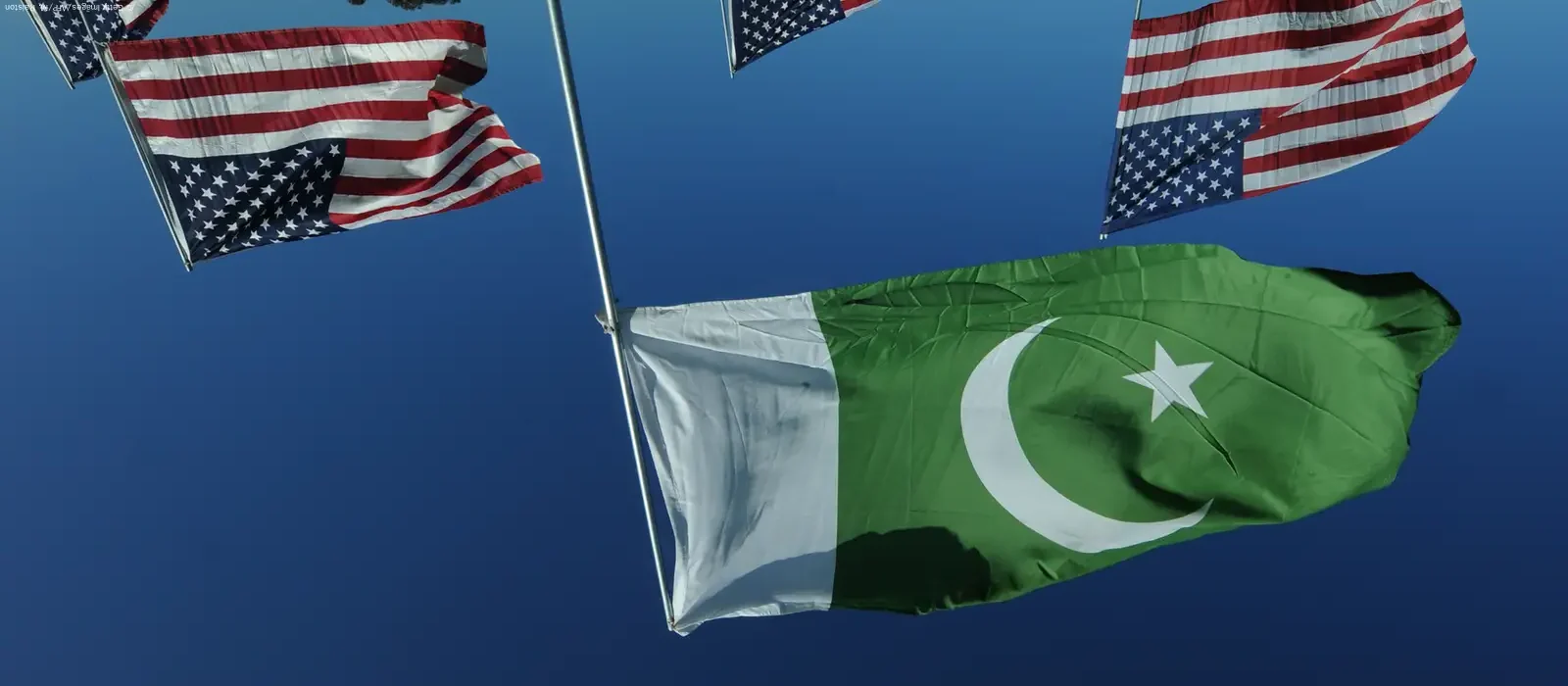
Pakistan should resist the temptation to see this multipolar landscape as a menu of rival camps demanding a single choice. It is not. The wiser course is a foreign policy built on balance, one that safeguards core national interests while sustaining genuine engagement with every major power. Ties with China, the United States, Europe, the Gulf, Central Asia and the broader Muslim world need not be treated as competing loyalties.
They can and should function as complementary strands of a single, diversified strategy. Strategic autonomy, the ability to make decisions rooted in Pakistan’s own priorities rather than someone else’s, ought to remain the organizing principle behind this approach. History suggests that states which spread their partnerships widely tend to weather turbulence better than those locked into a single alignment.
Pakistan is not starting from nothing. Its location, at the meeting point of South Asia, Central Asia, the Middle East and China, is a genuine asset that has yet to be fully converted into economic value. Better transport links, modernized logistics, energy corridors and smoother cross-border trade could turn the country from a mere transit corridor into an actual regional hub, a role with real economic weight rather than symbolic geography.
Elsewhere in the region, the direction of travel is unmistakable. Gulf states are pouring capital into artificial intelligence, renewable energy, logistics, tourism and financial services, not as diversions from security policy but as extensions of it. They have grasped something Pakistan still needs to internalize: economic diversification and technological capability are now forms of national strength, not luxuries to be pursued after security is settled.
Pakistan’s own competitiveness in the coming decades will hinge on similar bets, on artificial intelligence, cybersecurity, quantum computing, advanced manufacturing and biotechnology, and on the education and research base needed to sustain them. Without serious investment in digital skills and innovation, the country will remain a taker of technology rather than a producer of it, permanently exposed to decisions made elsewhere.
None of this diminishes the importance of a capable defence posture. It simply insists that defence is one column among several holding up the structure of national power, alongside economic stability, energy and food security, institutional credibility, public health and climate resilience. Pakistan’s exposure to floods, water scarcity, heatwaves and agricultural disruption is not a separate environmental issue sitting apart from security planning. It is a direct threat to economic stability and social cohesion, and it needs to be built into infrastructure planning and disaster preparedness rather than treated as an occasional emergency response.
Public conversation in Pakistan needs to catch up with this more complicated world. The old habit of sorting countries into friends and rivals no longer captures how states actually behave, cooperating in one arena while competing in another, sometimes with the very same country. Effective diplomacy in this environment demands flexibility and a willingness to read shifting dynamics clearly, not loyalty to fixed alignments drawn up in a different era.
Getting this right will require more than the foreign ministry. Policymakers, businesses, universities and research institutions all have a stake in preparing the country for what comes next. Strengthening economic competitiveness, improving governance, investing seriously in technology, deepening regional connectivity and grounding policy in evidence rather than habit will do more to protect Pakistan from external pressure than any single military acquisition could.
Influence in this century is being built out of innovation, connectivity, economic resilience and the breadth of a country’s partnerships, not out of firepower alone. Pakistan cannot meet twenty-first century pressures with twentieth century instincts. Its future position in the world will be decided by how seriously it builds strength across all these fronts at once, while keeping its relationships with major powers balanced rather than exclusive. Done well, this is how Pakistan stops merely reacting to a changing world and starts shaping the opportunities within it.

Your go-to editorial hub for policy perspectives and informed analysis on pressing regional and global issues.