
When Power Blinked: Civil–Military Relations in Zardari’s Era

Midnight Islamabad is when Pakistan civil–military relations and legitimacy vacuum watches, and governments fall until survival wins.
Civil–Military Relations in Transition: Continuity, Change, and Strategic Stability in Pakistan
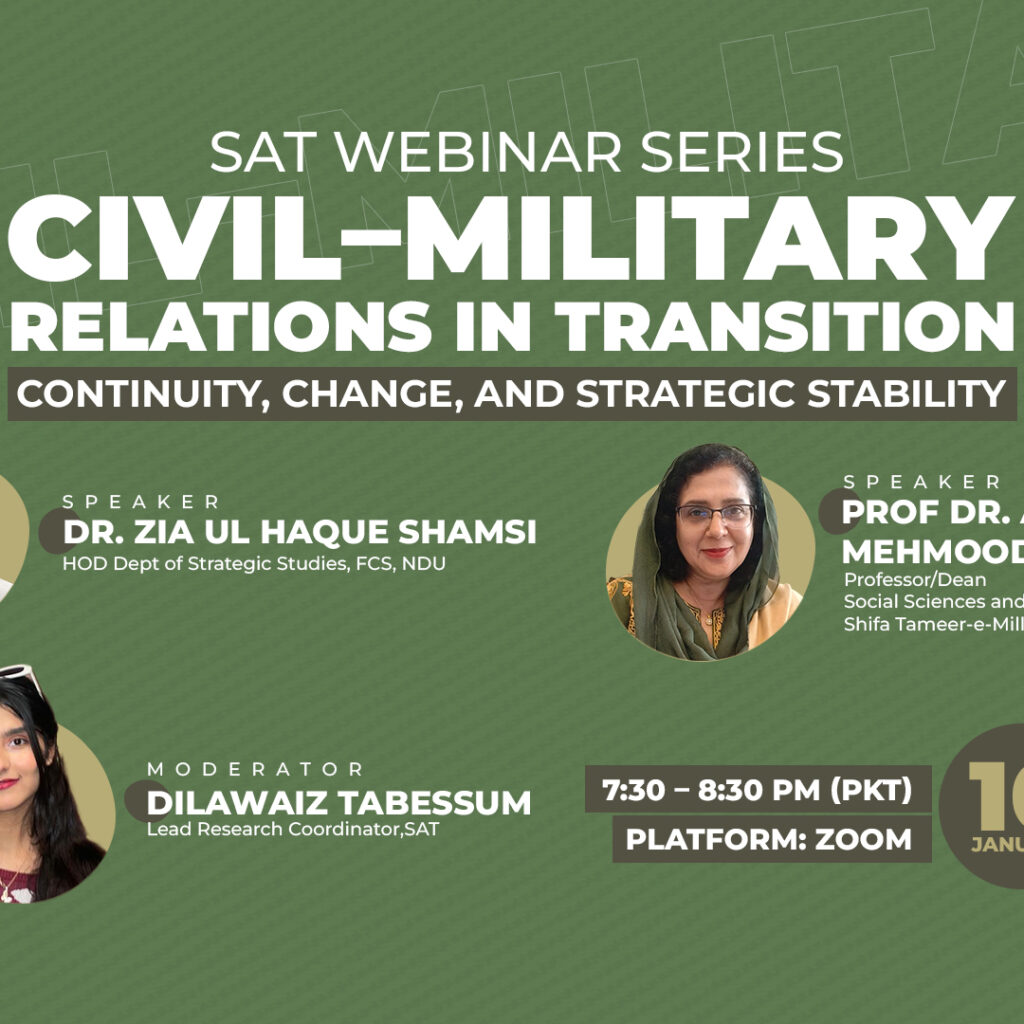
Civil–Military Relations in Transition: Continuity, Change, and Strategic Stability in Pakistan Janurary 10, 2026 Online SAT Web Administrator Share 10 Janurary 2025 Wednesday Roundtable Event South Asia Times Inqueries: info@southasiatimes.org Background and Context: Pakistan’s civil–military relations have long shaped the country’s political stability, democratic development, and national security decision-making. Emerging from early security threats, regional […]
How Sanctions, Militarized Economics, and Institutional Decay Broke Iran’s Currency
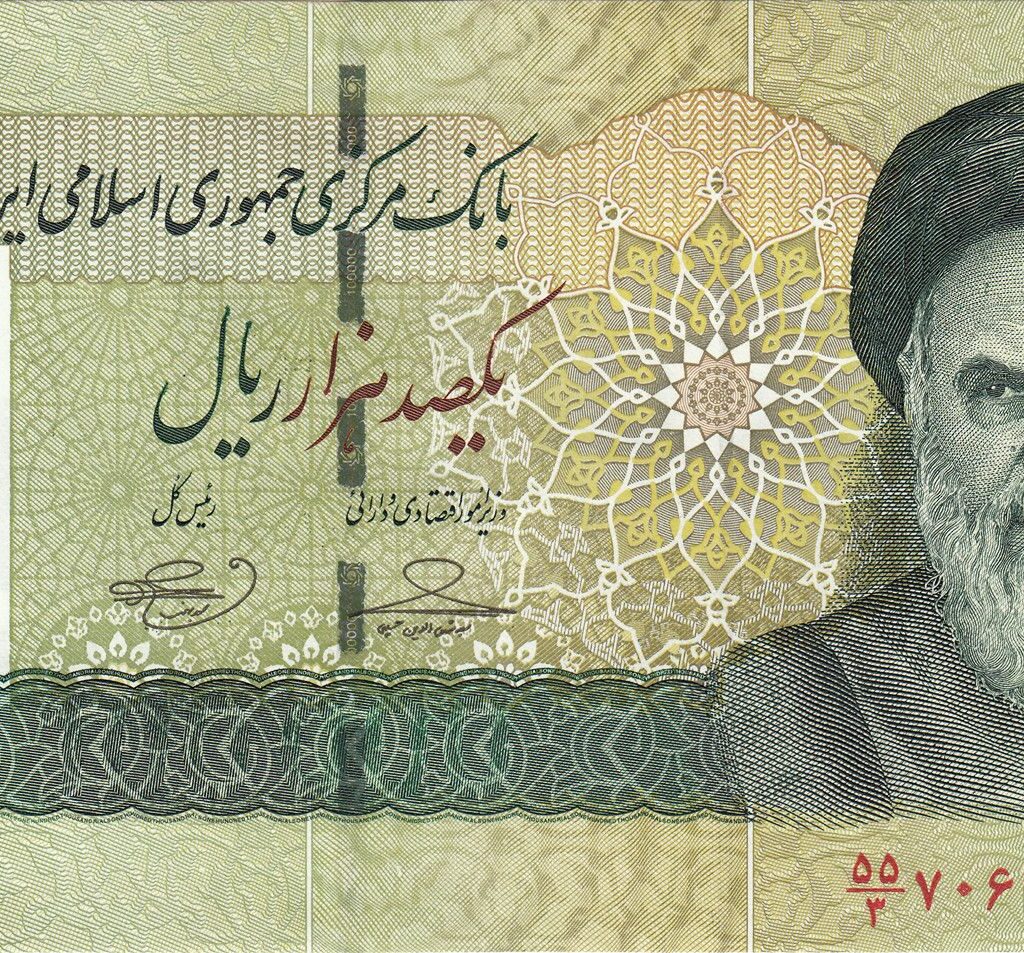
Iran’s 2026 currency crash was not a sudden shock but the result of sanctions, IRGC-dominated economics, and institutional decay undermining trust in the rial.
Bagram Airbase, US Aid, and Afghanistan’s Strategic-Humanitarian Dilemma
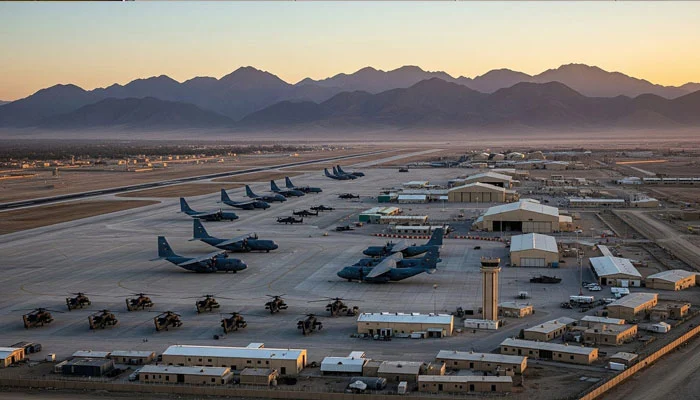
Sources suggest the Taliban has offered immediate access to Bagram Airbase for potential strikes against Iran in exchange for continued U.S. aid. Beyond military leverage, the offer underscores Afghanistan’s acute humanitarian crisis and the Taliban’s reliance on external support, highlighting the complex interplay between strategy, politics, and survival in a fragile state.
Assessing the Escalation of Anti-Taliban Resistance in Afghanistan
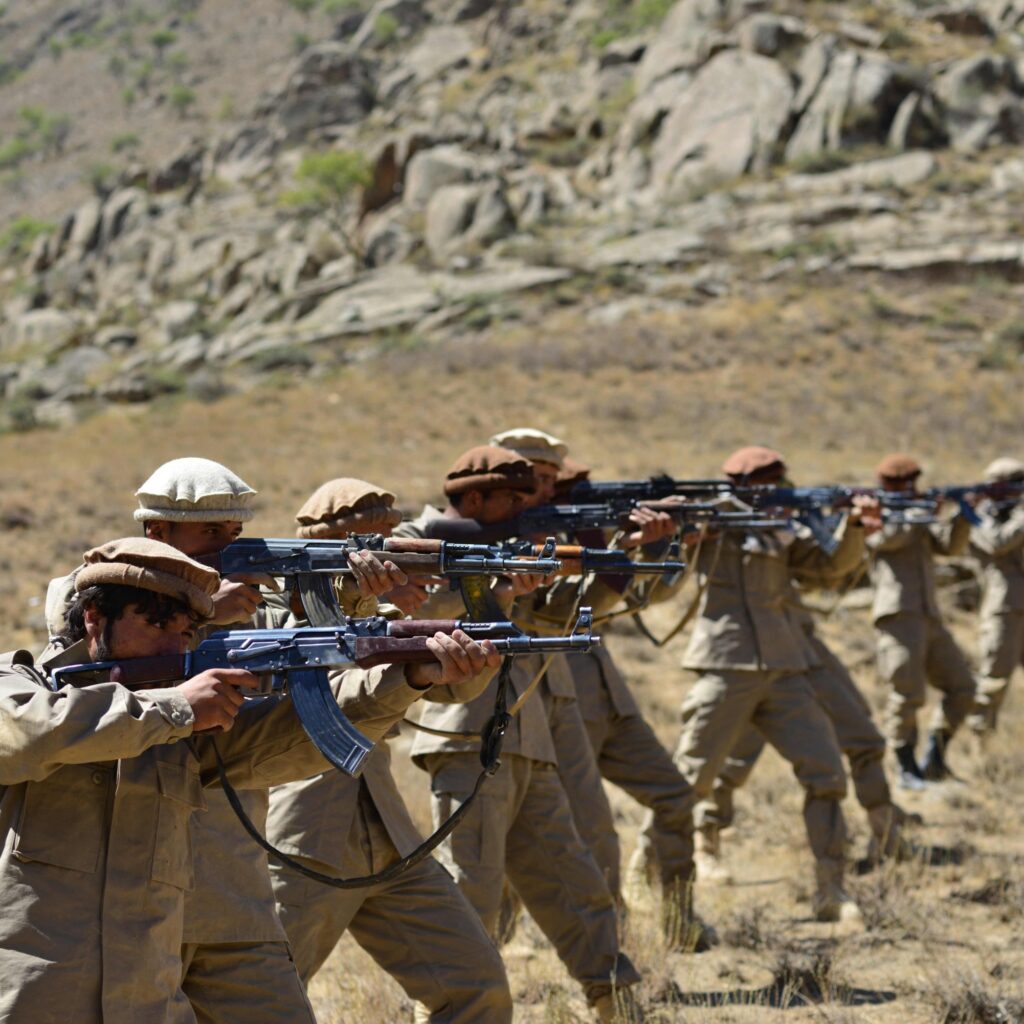
Recent operations by NRF and AFF target Taliban bases and urban centers, signaling a growing insurgency and weakening regime control.
Is Social Media Neutral?

Social media platforms are not neutral arenas of free expression. Powered by opaque algorithms and AI-driven amplification, they increasingly shape political narratives and public perception, prompting non-Western states to frame platform regulation not as censorship, but as a question of digital and cognitive sovereignty.
The Mainstreaming of Islamophobia

The attack on a Victorian Imam and his wife in Melbourne is not an isolated crime but the logical outcome of a political climate that has normalized Islamophobia. As anti-Muslim rhetoric moves from the fringes into mainstream Western discourse, religious identity is recast as a security threat, creating the conditions for violence and unequal protection under the law.
Narrative Management and the ISKP–TTP Ecosystem
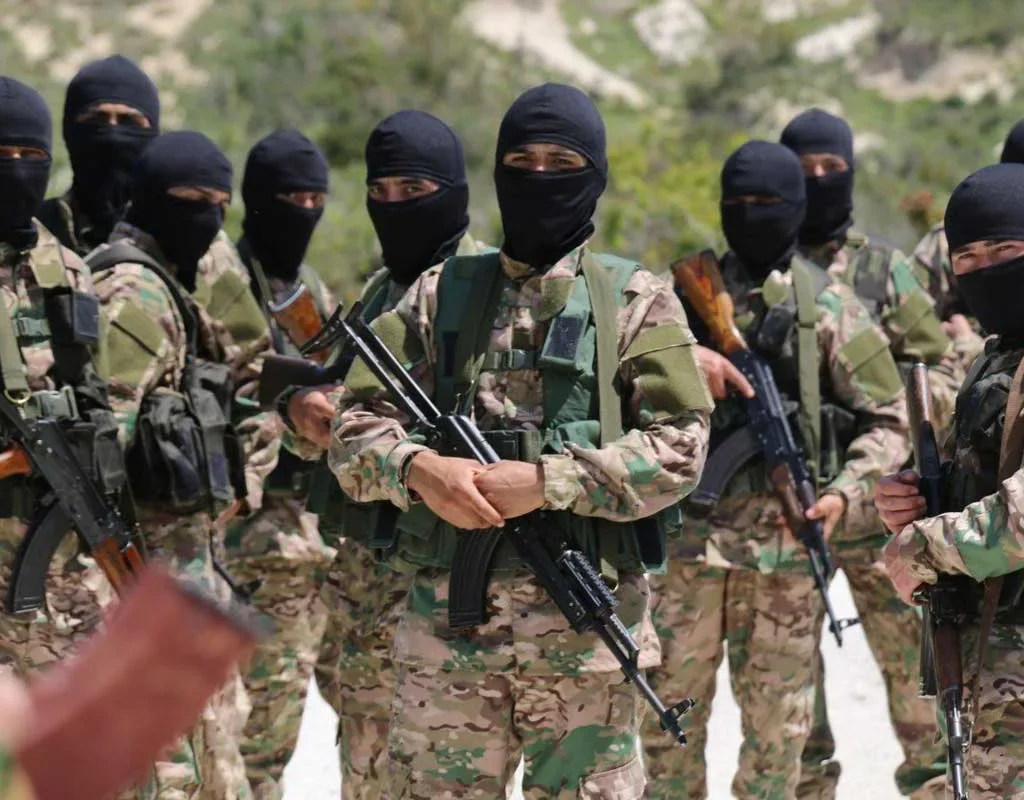
The assassination of Maulana Sultan reveals how ISKP and TTP deploy narrative coordination, delayed claims, and interchangeable branding to obscure accountability and sustain regional instability from Afghan soil.
Pakistan’s Defense Industrial Breakout

As the liberal international order fragments, Pakistan has executed a decisive shift from defense dependency to indigenous production. Through exports, combat validation, and joint industrialization, Islamabad is redefining sovereignty as an industrial and diplomatic asset.