
The Evolving Militant Ecosystem: Spillover States, Traveling Militancy, and Who Gets Targeted Next
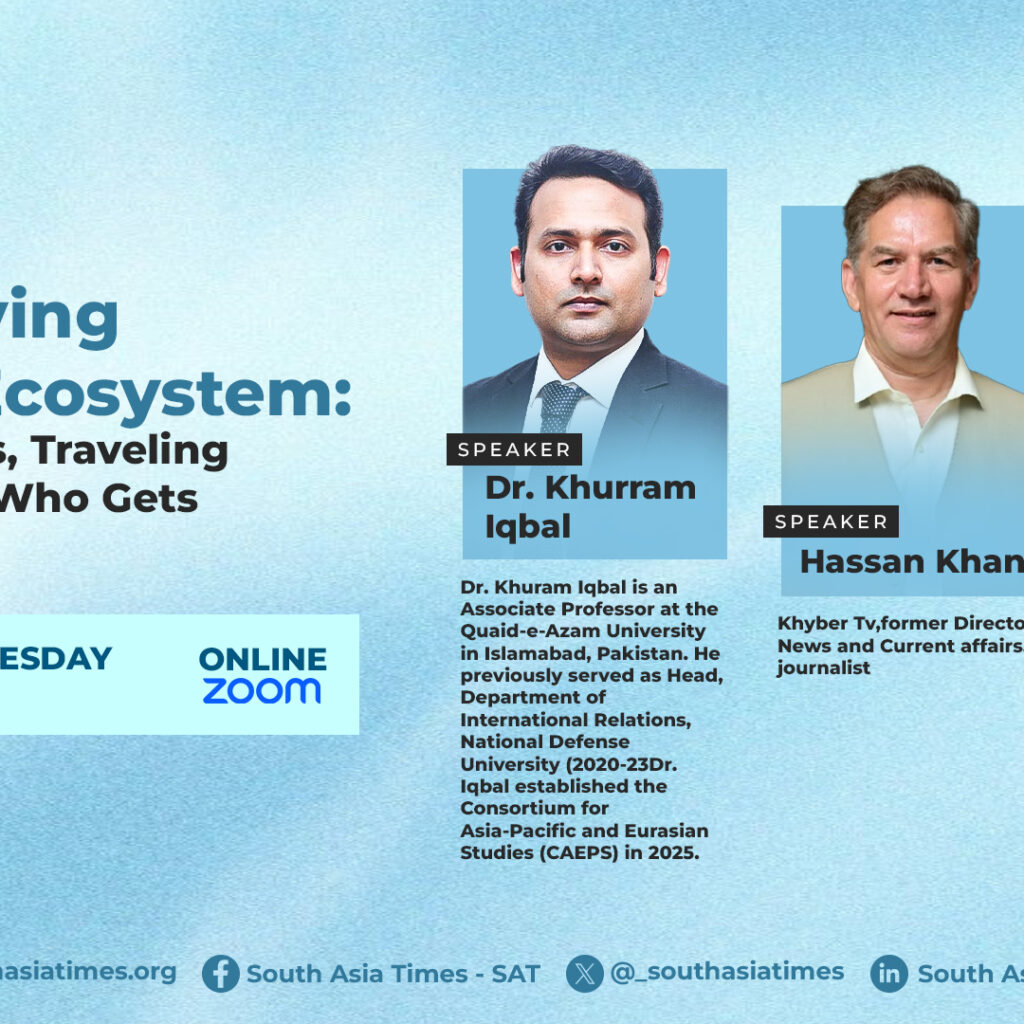
The Evolving Militant Ecosystem: Spillover States, Traveling Militancy, and Who Gets Targeted Next Janurary 20, 2026 Online SAT Web Administrator Share 20 Janurary 2025 Wednesday Roundtable Event South Asia Times Inqueries: info@southasiatimes.org Background and Context: Militancy in South Asia has entered a phase of structural transformation, moving beyond geographically bounded insurgencies and hierarchical command models […]
EU–Pakistan Business Forum 2026

The EU–Pakistan Business Forum 2026 marks a strategic pivot toward diversified, ESG-driven investment, de-risked finance, and regulatory alignment beyond GSP+ trade ties.
Afghanistan’s Post-2021 Economic Model
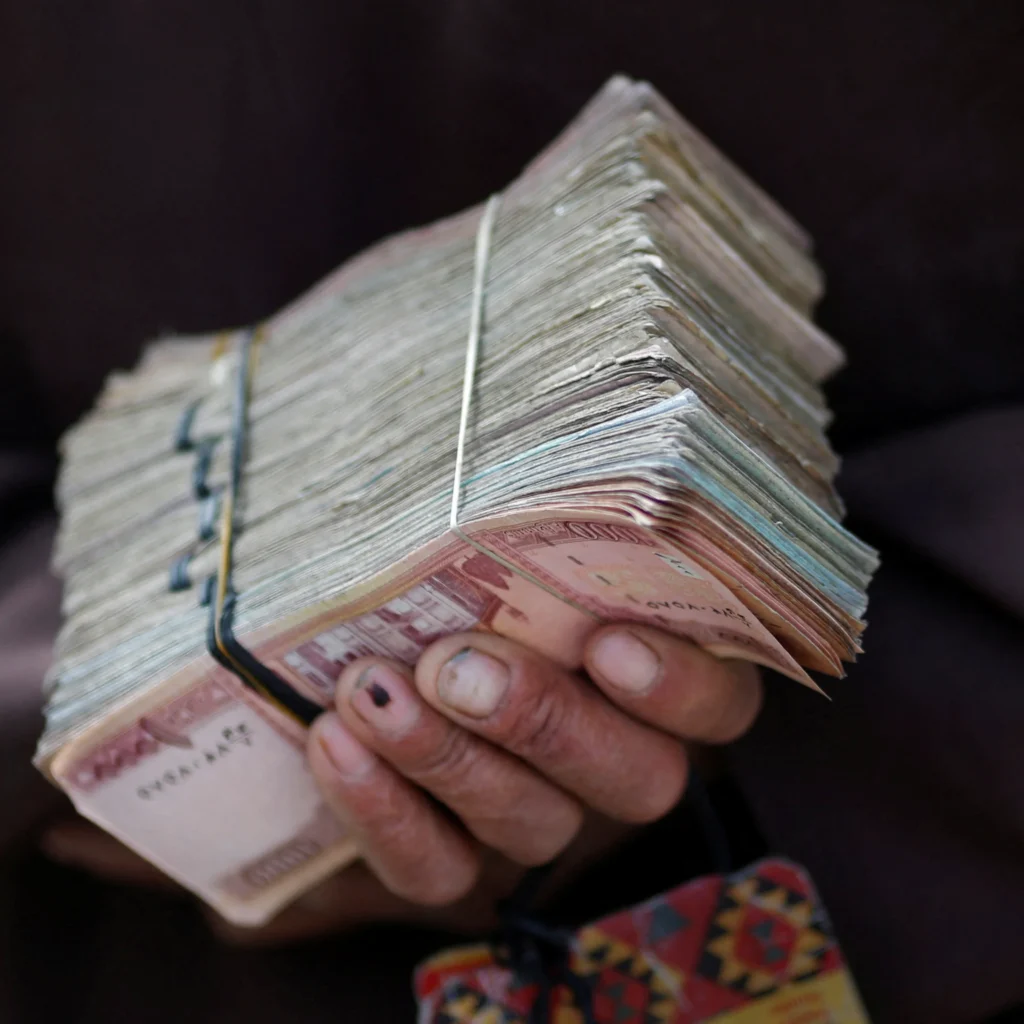
Afghanistan’s post-2021 economic model reflects a sharp break from the aid-backed past, defined by informality, fiscal fragility, and regional economic isolation under Taliban rule.
Disinformation, Digital Propaganda, and the Erosion of the Rule of Law

While online narratives often claim to expose corruption or political repression, coordinated digital propaganda masks a strategic effort to delegitimize state institutions. This commentary examines the interplay of monetized disinformation, coordinated amplification, and selective framing, revealing how Pakistan’s digital ecosystem substitutes outrage for evidence and destabilizes governance.
The Return of Insurgency in Central Asia
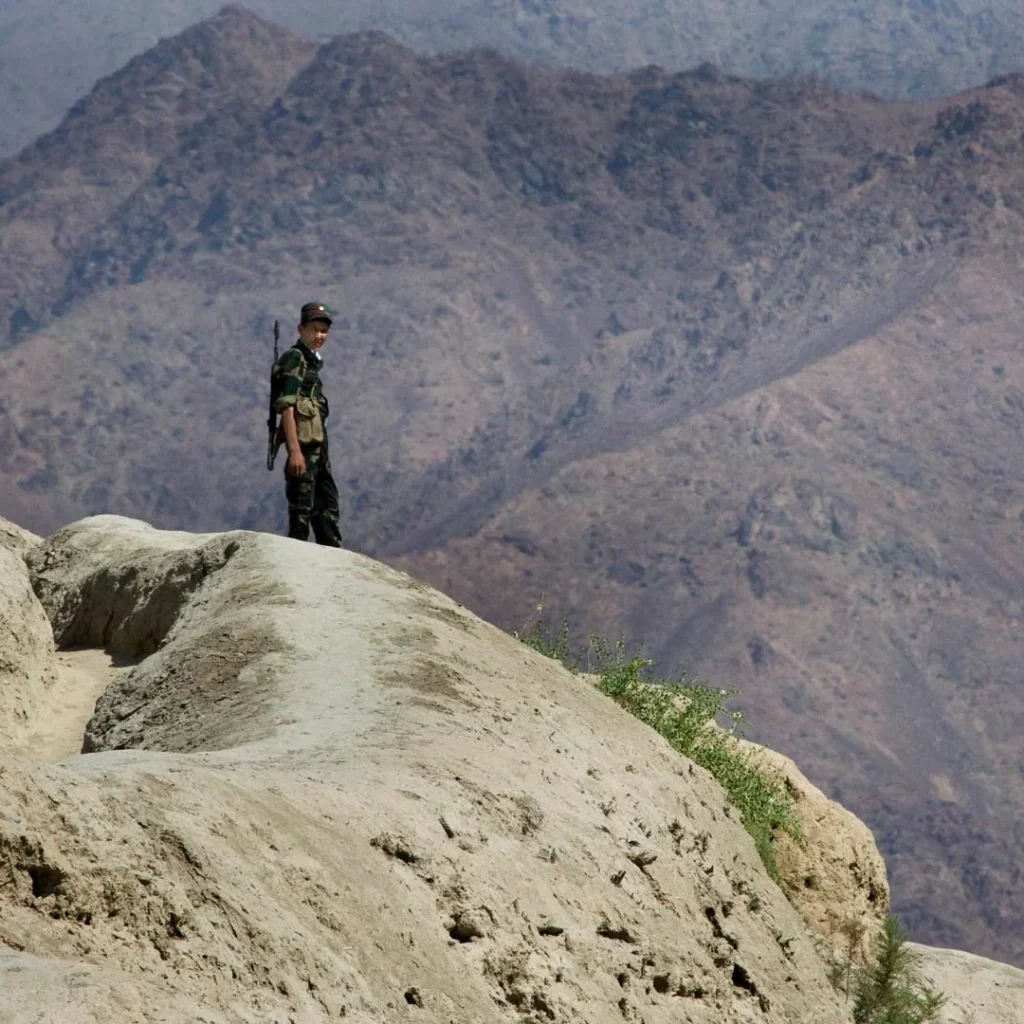
A series of cross-border incidents along the Afghanistan–Tajikistan frontier has raised fears of a renewed insurgent threat in Central Asia. As militant networks regroup in northern Afghanistan, regional governments are questioning long-held assumptions about Taliban governance, Russian security guarantees and the durability of the post-Soviet order.
Toward an Islamic NATO?
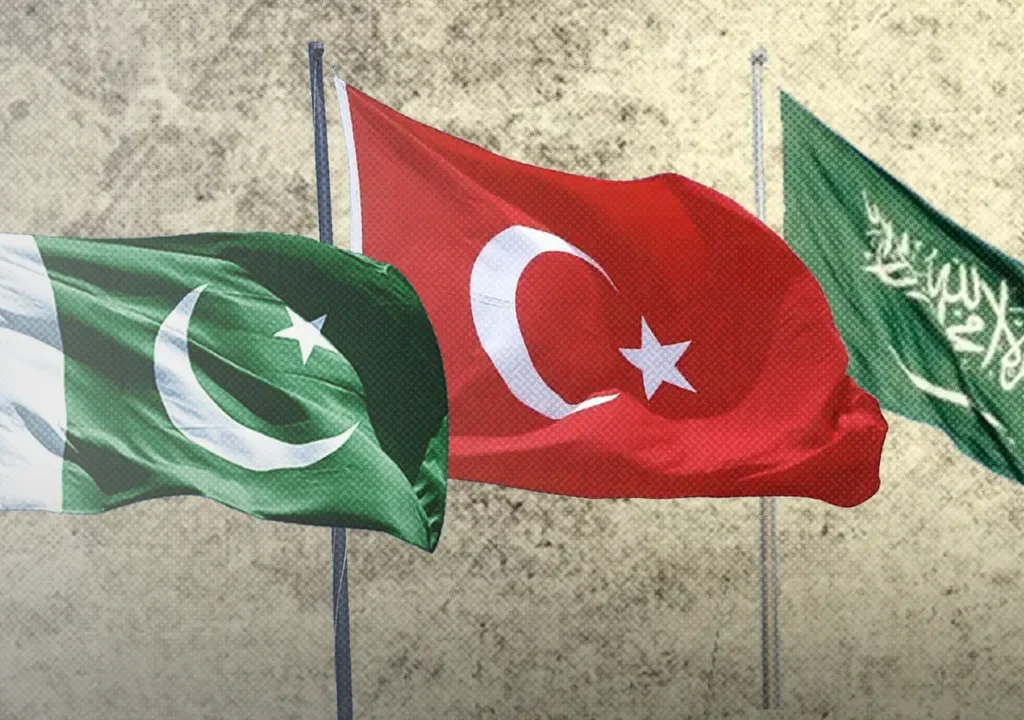
In a rapidly fragmenting global order, Pakistan, Turkey, and Saudi Arabia are exploring a trilateral defense arrangement that could redefine regional security architectures. Often dubbed an Islamic NATO, the proposed pact reflects a broader shift by middle powers toward strategic autonomy as US security guarantees wane. This convergence signals the merging of Middle Eastern and South Asian strategic theaters into a single geopolitical map.
The Hegemon’s Gavel

International law was never truly independent. Once the guarantor of the system breaks the rules, the law becomes a tool for power, not principle.
Pakistan–Bangladesh Rapprochement: Promise of New Maritime Corridor
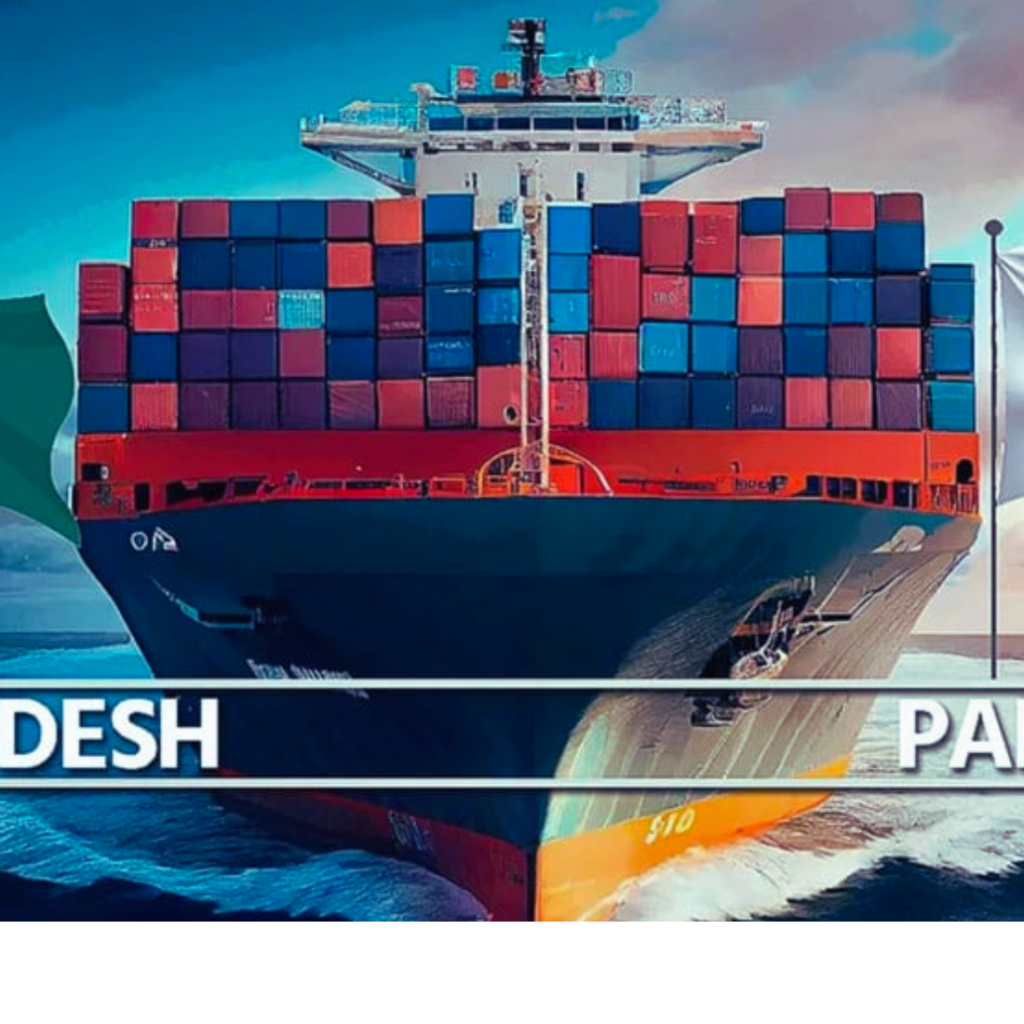
Pakistan and Bangladesh explore a shared maritime corridor to boost trade, rebuild trust, and shape South Asia’s economic future
Militancy, Borderization, and the Politics of a Frontier

The Durand Line’s transformation from a porous frontier to a fenced border is altering militant strategies, funding, and regional security. Jihadist networks like TTP and IS-K are adapting to these changes while local populations face social and economic pressures.