
Shadow Fleets, Sanctions Evasion, and the Complexities of Maritime Governance

The Grinch case illustrates how Indian nationals, including the ship’s captain and majority crew, play a central operational role in sustaining Russia’s sanction-evading oil trade, raising questions about legal compliance, operational ethics, and international maritime governance.
Governing by Faith and Fear: Inside India’s Bureaucratic Transformation
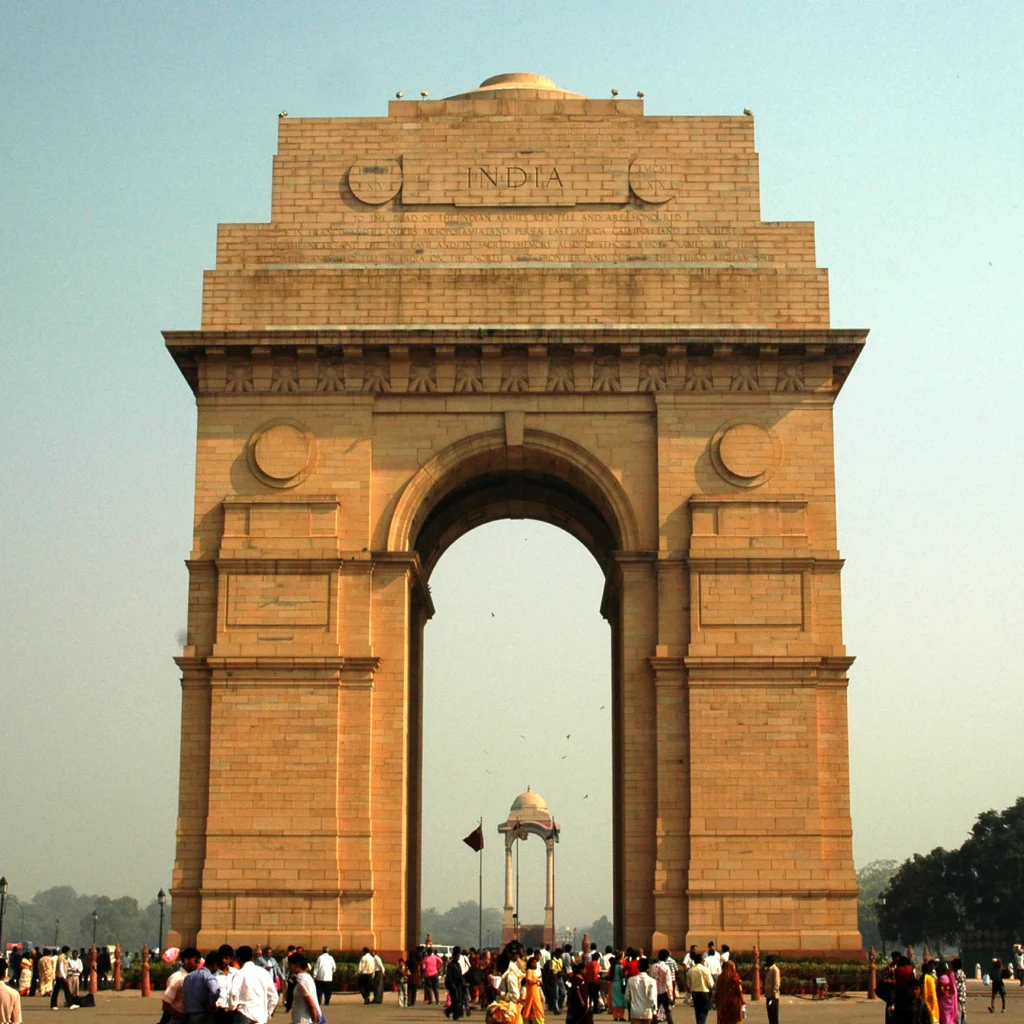
Once imagined as a neutral steel frame, India’s bureaucracy is undergoing a profound mutation. As faith becomes an instrument of alignment and fear a tool of discipline, the administrative state is drifting from constitutional neutrality toward ideological enforcement, with lasting consequences for democracy, governance, and state capacity.
Recalibrating Western Partnerships in South Asia
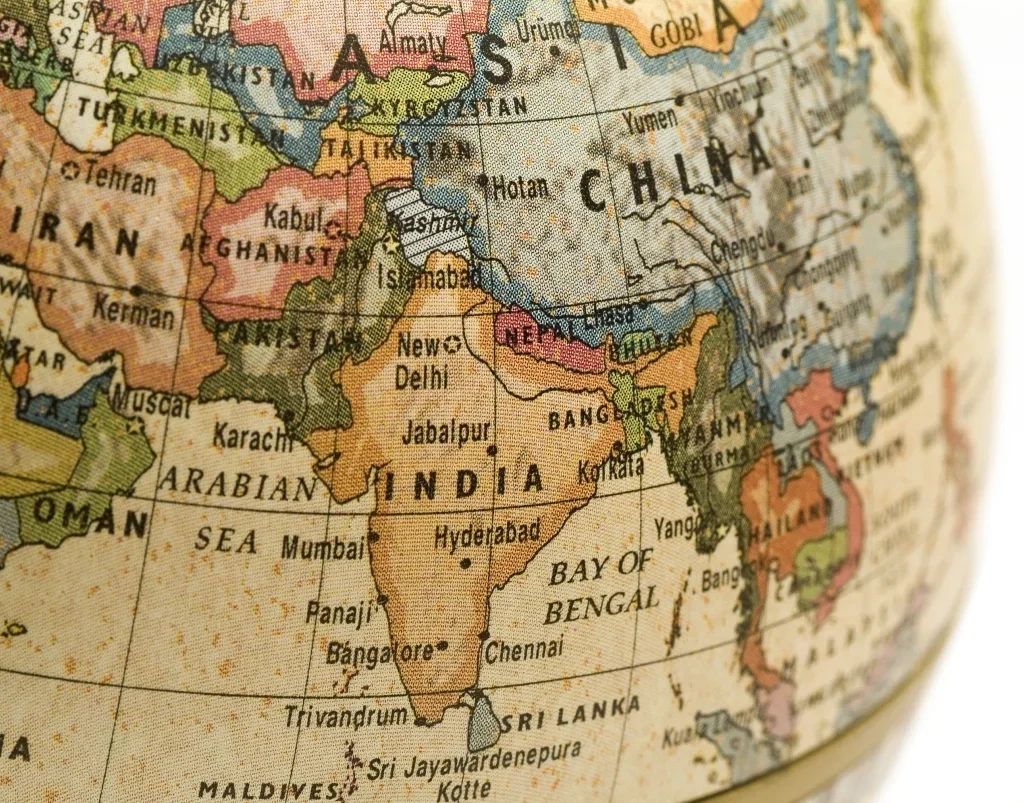
The recalibration of Western engagement in South Asia is revealing a growing divide between strategic optics and strategic reliability. While India leans on symbolic diplomacy and geopolitical hedging to project indispensability, Pakistan is repositioning itself as a results-oriented partner aligned with Western security priorities. As Washington reassesses the costs of accommodation without alignment, the region’s balance is quietly shifting toward predictability, restraint, and responsibility.
Afghanistan’s New Tiered Justice System

The Taliban’s new Criminal Procedure Code formalizes a four-tiered justice system that shields clerics and elites while subjecting ordinary Afghans to imprisonment and public flogging. By codifying social hierarchy into law, the regime violates international human rights norms and subverts Islam’s foundational promise of equality before the law, turning justice into an instrument of control rather than accountability.
The Global Interregnum: The Old World Is Dying, and the New Struggles to Be Born

The post-1945 international order is no longer shaping state behavior as it once did. As legal restraint and multilateralism weaken, security concerns, economic coercion, and flexible alliances are defining an unsettled global interregnum.
Afghanistan and the Architecture of Managed Narcotics Power
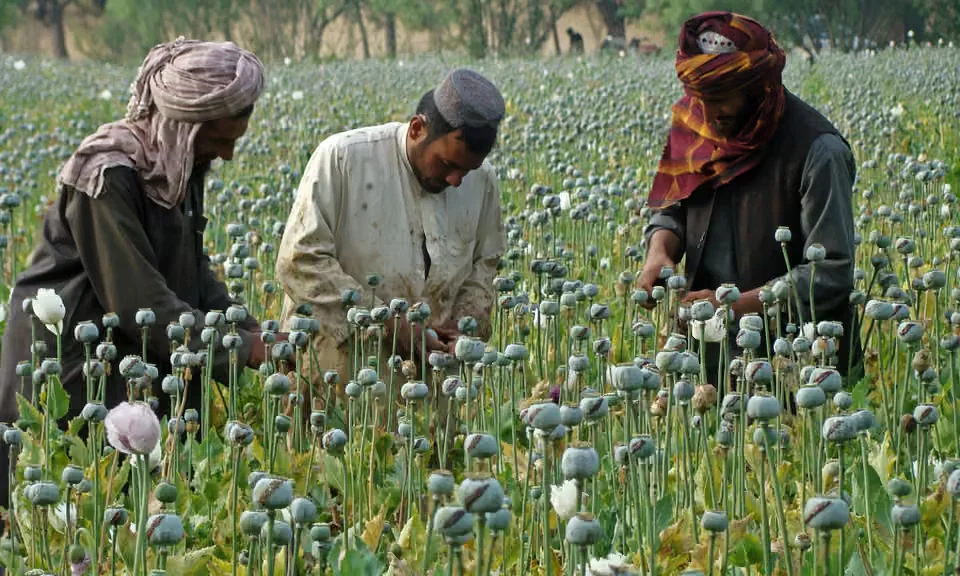
The 2025 Turkish Drug Report reveals that Afghanistan has not exited the global narcotics economy under Taliban rule but has instead transformed it. Through controlled poppy cultivation, exploitation of stockpiles, and rapid expansion into synthetic drugs, Afghanistan continues to shape global drug supply chains, prices, and security outcomes.
Rising to the Challenge: Why Pakistan’s Youth Must Lead the Way

Pakistan’s youth must reclaim purpose and leadership to counter apathy, brain drain, and drive national progress through action.
Realpolitik or Moral Complicity? Pakistan and Gaza’s Board of Peace

Pakistan’s entry into Gaza’s Board of Peace marks a historic departure from its traditional Palestinian policy. As Islamabad navigates an extra-legal, US-led governance framework that excludes Hamas and sidelines sovereignty, the question looms large: is participation a tool of influence, or an act of moral complicity?
The Rising Tide: Climate Change and Water Conflict in South Asia

Water scarcity is reshaping South Asia as climate change, outdated treaties, and rising demand turn rivers into sources of conflict.