
Pakistan, Gaza, and the Case for Realist-Humanitarian Diplomacy
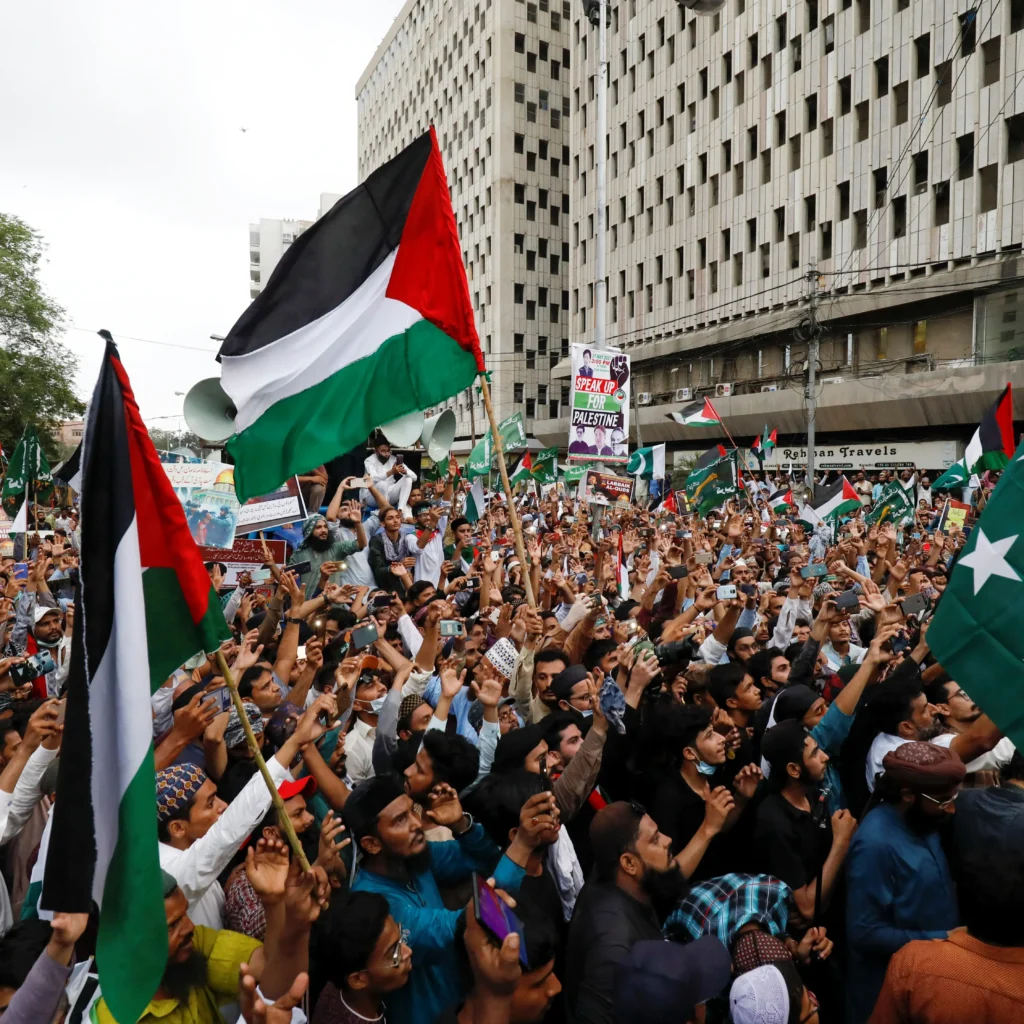
As Gaza endures a prolonged humanitarian catastrophe, Pakistan’s decision to engage with the Board of Peace reflects a calculated shift from symbolic diplomacy to realist-humanitarianism. Rather than retreating into moral posturing, Islamabad has chosen presence as leverage, seeking to shape aid delivery, protect Palestinian priorities, and influence outcomes from within imperfect multilateral structures.
The Asymmetry at the Heart of the EU–India FTA

The EU–India FTA risks being unequal, as India cuts tariffs while Europe retains key advantages. It may deepen dependence instead of strengthening India’s industrial growth.
Digital Control, Economic Enslavement and the Sleeping Ummah
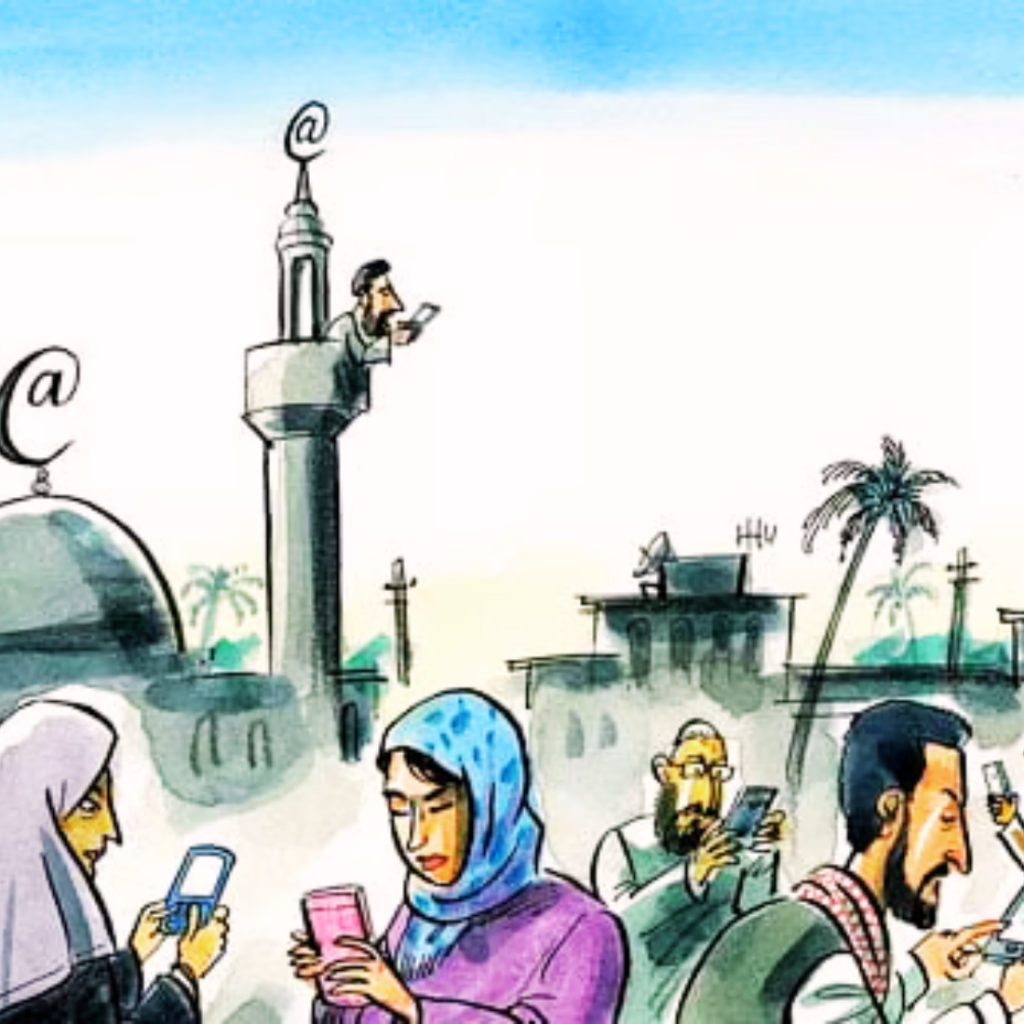
Digital Control is reshaping freedom; the Ummah faces economic and moral enslavement if we stay asleep.
Minority Rights in India: Constitutional Promises and Political Realities

Minority Rights in India face challenges despite constitutional promises of equality and political representation.
Summary Article
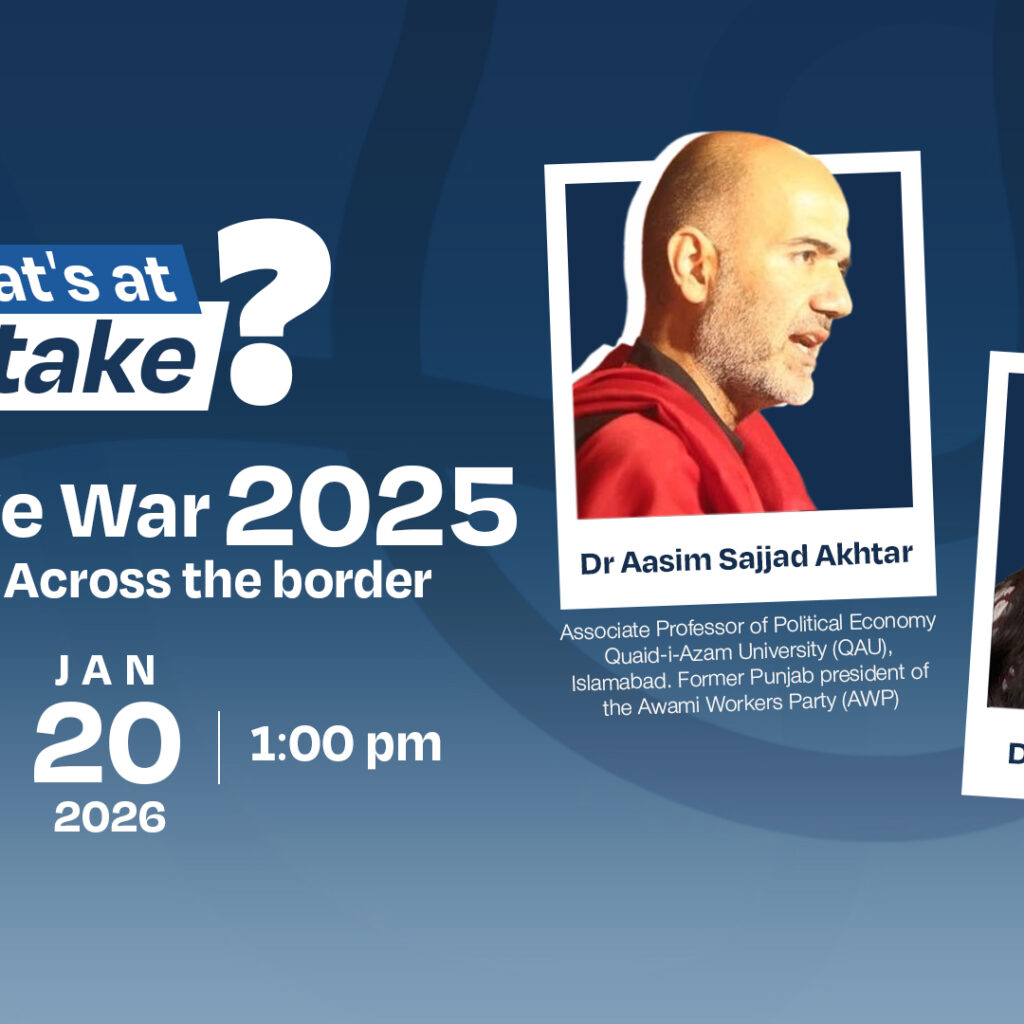
Summary Article Janurary 20, 2026 Online SAT Web Administrator Share 20 Janurary 2025 Tuesday Roundtable Event South Asia Times Inqueries: [email protected] Narratives are shaped by the state, and states often claim that they are acting according to whatthe people want. Narratives are spread faster than facts. People in both countries face the sameissues, such as […]
Shadow Fleets, Sanctions Evasion, and the Complexities of Maritime Governance

The Grinch case illustrates how Indian nationals, including the ship’s captain and majority crew, play a central operational role in sustaining Russia’s sanction-evading oil trade, raising questions about legal compliance, operational ethics, and international maritime governance.
Governing by Faith and Fear: Inside India’s Bureaucratic Transformation
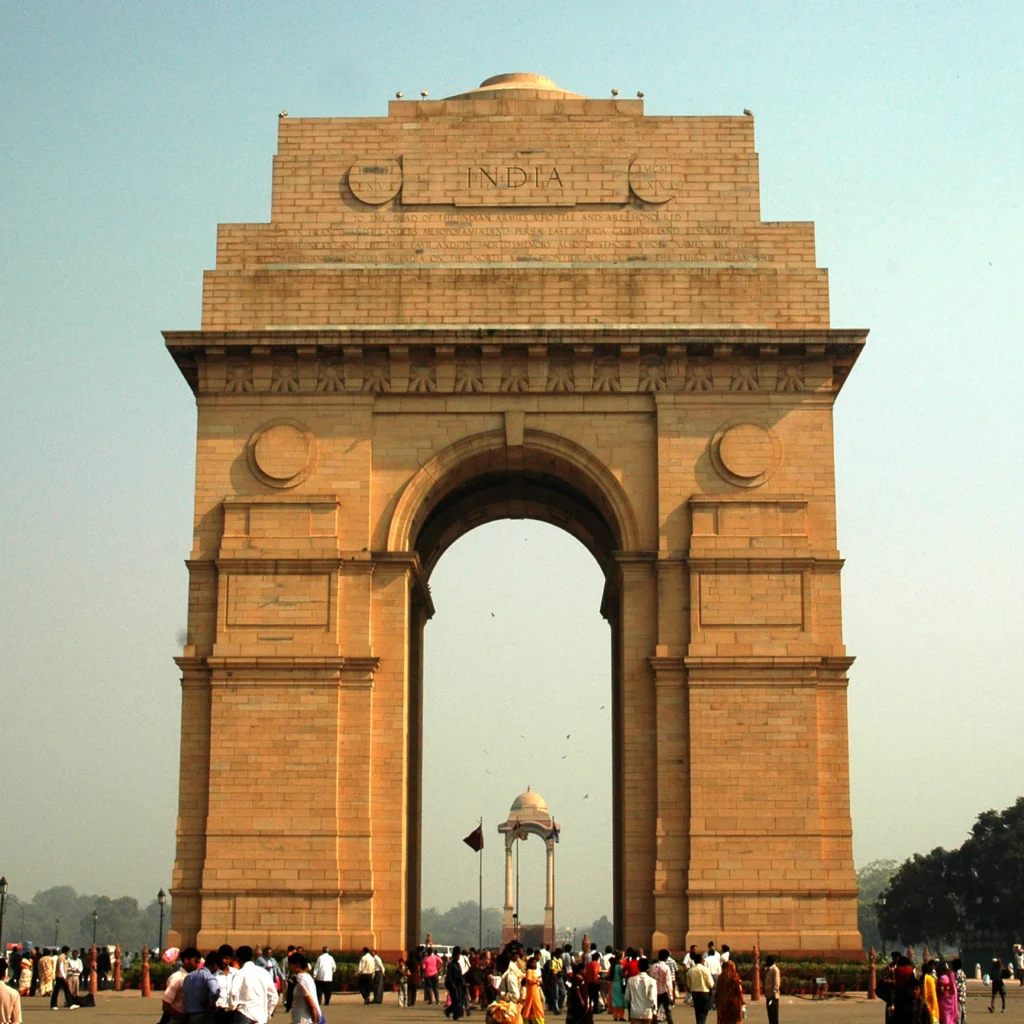
Once imagined as a neutral steel frame, India’s bureaucracy is undergoing a profound mutation. As faith becomes an instrument of alignment and fear a tool of discipline, the administrative state is drifting from constitutional neutrality toward ideological enforcement, with lasting consequences for democracy, governance, and state capacity.
Recalibrating Western Partnerships in South Asia
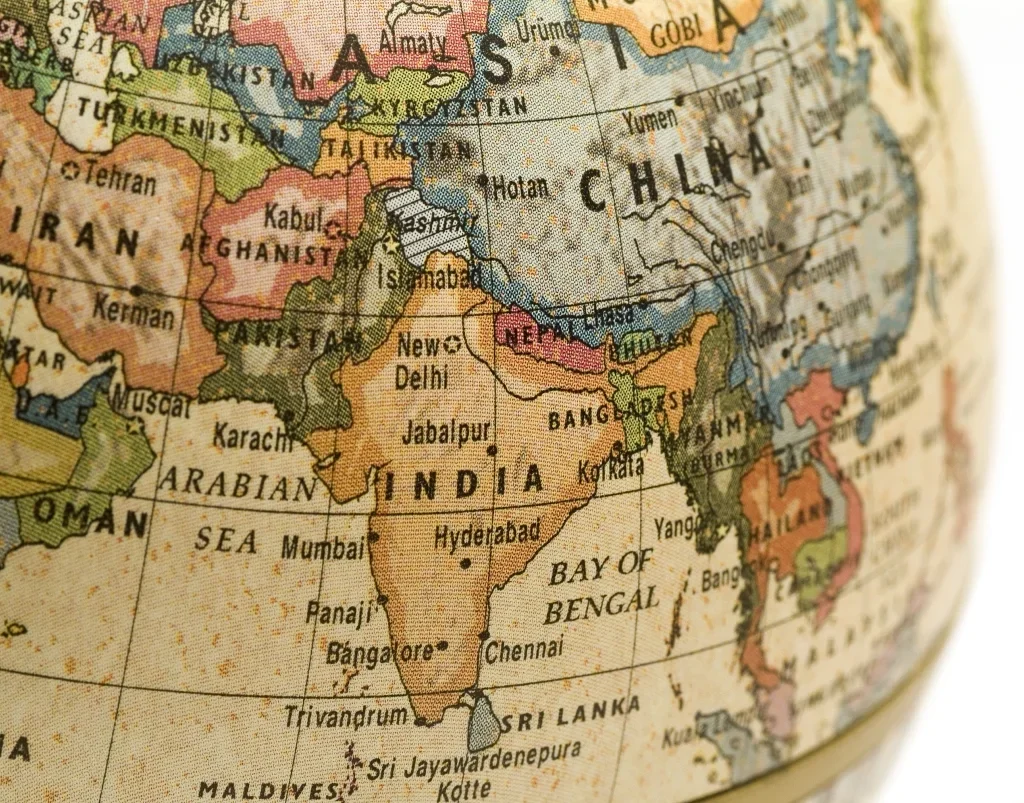
The recalibration of Western engagement in South Asia is revealing a growing divide between strategic optics and strategic reliability. While India leans on symbolic diplomacy and geopolitical hedging to project indispensability, Pakistan is repositioning itself as a results-oriented partner aligned with Western security priorities. As Washington reassesses the costs of accommodation without alignment, the region’s balance is quietly shifting toward predictability, restraint, and responsibility.
Afghanistan’s New Tiered Justice System

The Taliban’s new Criminal Procedure Code formalizes a four-tiered justice system that shields clerics and elites while subjecting ordinary Afghans to imprisonment and public flogging. By codifying social hierarchy into law, the regime violates international human rights norms and subverts Islam’s foundational promise of equality before the law, turning justice into an instrument of control rather than accountability.