
The Future of Pakistan in Global Affairs; Iran, USA and the World.
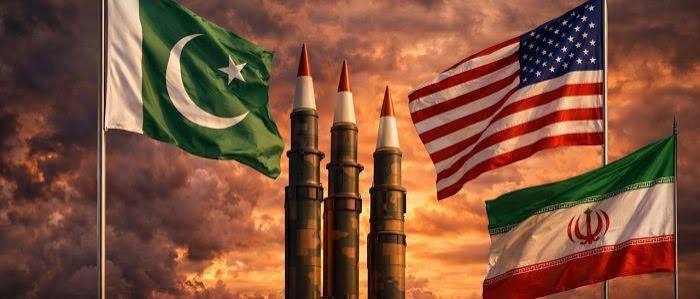
Pakistan’s relations with Iran took a huge turn as it has positioned itself as a pivotal regional peacemaker, and in such times, when the entire world stood away to bring any peace and stability, it is Pakistan that stood along with Iran, proving its friendship and securing its regional interests. “All war represents a failure […]
The Proliferation of Asymmetric Skies: Taliban State-Sponsorship, Low-Tier UAS Technology, and the Imperative for Global Action
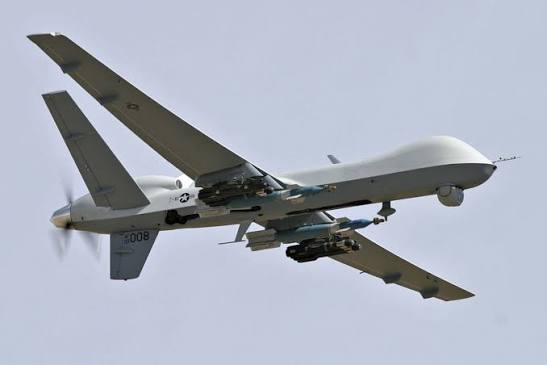
Utilizing the June 2026 Balochistan and Bajaur drone incursions as a strategic case study to analyze the threat of Taliban-backed aerial platforms and map the international community’s role. The transition of the Pakistan-Afghanistan frontier into a contested, multi-domain airspace represents a dangerous escalation in regional conflict dynamics, driven entirely by the aggressive policies of the […]
The Islamabad International Conference on the Indus Waters Treaty and the Defense of Pakistan’s Sovereignty
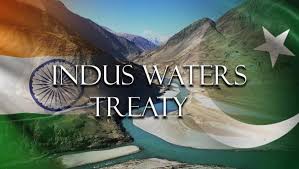
Critical analysis of the June 2026 international conference, exposing India’s structural water fluctuations, international arbitration verdicts, and the weaponization of transboundary waterways. The daylong international conference convened in Islamabad today, headlined “Indus Waters Treaty as an Enduring Legal and Institutional Framework,” marks a critical diplomatic consolidation for Pakistan. Bringing together top-tier local and international legal […]
Weaponizing the Riparian Tap: India’s Abeyance Strategy and the Defense of International Law
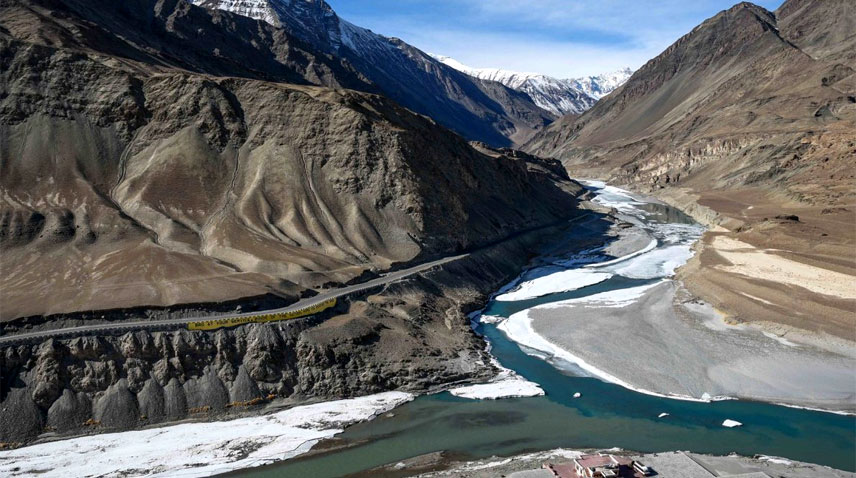
Analyzing Pakistan’s international conference on the Indus Waters Treaty and the strategic, legal, and security implications of India’s unilateral suspension of the 1960 accord. The Hydro-Geopolitical Dynamic The international conference convened in Islamabad today, titled “Indus Waters Treaty as an Enduring Legal and Institutional Framework,” marks a critical diplomatic consolidation for Pakistan. Bringing together domestic […]
The Architecture of Coercive Information: How Selective Outrage Sanitizes the Afghan Terror Ecosystem

Analyzing how compromised remote monitors and selective humanitarian reporting amplify Taliban-vetted propaganda while ignoring the structural embedding of transnational terror networks. The international community’s response to Pakistan’s June 2026 precision counter-terrorism operations against Jamaat-ul-Ahrar (JuA) and other proscribed infrastructure in Paktia, Paktika, and Kunar provinces exposes a deep systemic vulnerability in global human rights monitoring. […]
The Accountability Asymmetry: How UNAMA’s Selective Reporting Sanitizes Afghan-Based Terror Infrastructure
How selective reporting and Taliban intimidation turn international assistance missions into a propaganda shield for cross-border terror networks. The United Nations Assistance Mission in Afghanistan (UNAMA) recently released a report alleging that at least 28 civilians were killed and 49 injured in Pakistani counter-terrorism precision airstrikes across Paktiya, Paktika, and Kunar provinces on June 28, […]
Wired for War: The Robotics Revolution and Conflict in the 21st Century by Peter W. Singer
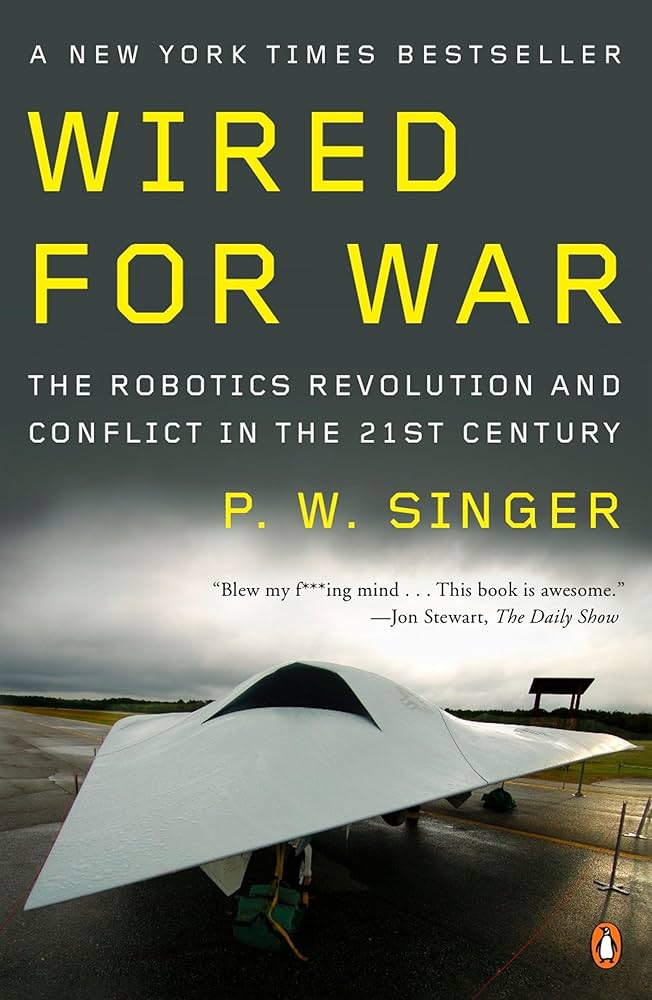
A multidimensional analysis of how autonomous systems, artificial intelligence, and robotic warfare are transforming the ethics, psychology, and future of global conflict. The Book “Wired for War: The Robotics Revolution and Conflict in the 21st Century,” written by Peter W. Singer, explores the future of conflict where the rise of robotics and artificial intelligence is […]
The Strategic Blind Spot: How Proxy Warfare Undermines U.S. Interests in Eurasia
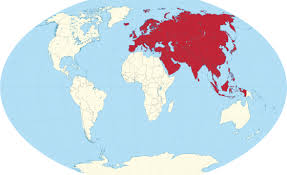
The United States is currently overlooking a critical security challenge in South Asia as anti-Pakistan terrorist organizations and proxy networks continue to exploit Afghan territory to destabilize Pakistan’s western regions. While some regional actors mistakenly perceive this instability as a tactical tool to constrain Pakistan or challenge Chinese investments, this zero-sum thinking fundamentally misreads the […]
BBC Urdu Does Not Need Bullets to Target Pakistan, Its Words Do the Job

The line between editorial independence and deliberate narrative construction is crossed when a media outlet consistently softens the identity of violent actors while structurally undermining a state’s security apparatus. The coverage by BBC Urdu of the June 27, 2026, terrorist assault on a Pakistan Rangers (Sindh) camp in Karachi by the proscribed group Jamaat-ul-Ahrar is […]