Prime Minister Narendra Modi’s foreign policy reflects a significant shift in India’s strategic outlook. Unlike the traditional image of India as a secular state guided primarily by non-alignment and pragmatic diplomacy, the Modi era has increasingly exhibited ideological and civilisational influences associated with Hindutva. This transformation is visible not only in India’s domestic politics but also in its foreign policy and bilateral engagements. Alongside these ideological influences, India’s strategic thinking continues to draw upon the principles of Kautilya’s Arthashastra, particularly the Rajamandala theory, which places national interest, alliances and regional power at the centre of statecraft.
It is through this strategic lens that India’s growing engagement with Taliban-led Afghanistan should be understood. New Delhi’s outreach to Kabul is not merely about restoring diplomatic ties; it reflects a broader geopolitical calculation.
Guided by the logic of Rajamandala theory, India seeks to strengthen its position in Afghanistan to expand its regional influence, maintain strategic pressure on Pakistan, and advance its long-term interests in South Asia. In the nuclear age, where direct military confrontation carries enormous risks, competition increasingly unfolds through indirect means, making Afghanistan a critical arena in India’s wider strategic calculus.
One of the most compelling frameworks for understanding India’s engagement with Afghanistan is Kautilya’s Rajamandala theory. The theory views international relations through the pursuit of national interest, where an immediate neighbour is regarded as a natural rival (ari), and the neighbour’s neighbour or the rival’s adversary is considered a potential ally (mitra).
Rather than advocating confrontation, the doctrine emphasises building alliances, maintaining a favourable balance of power, weakening strategic competitors and strengthening one’s own regional position. This strategic logic continues to resonate in India’s foreign policy and helps explain why Afghanistan occupies such an important place in New Delhi’s regional calculus.
Beyond the security dimension, India’s engagement with Afghanistan also aligns with its broader aspiration to emerge as a Vishwaguru—a leading regional power capable of shaping the political, economic, and strategic order of South Asia. Realising this vision requires expanding India’s regional influence while balancing competing powers, particularly Pakistan and China.
Afghanistan serves this objective not only because of its geopolitical location but also as the gateway to Central Asia. For decades, Pakistan’s refusal to grant India overland transit has constrained New Delhi’s access to Central Asian markets. In response, India invested in Iran’s Chabahar Port and the International North-South Transport Corridor, creating an alternative route that connects India to Afghanistan and onward to Central Asia.
Consequently, India’s renewed engagement with Kabul is driven not merely by diplomatic necessity but by a broader strategy of regional connectivity, economic outreach and long-term geopolitical influence.
India’s actions since the Taliban’s return to power provide tangible evidence of this long-term strategic approach. Despite withholding formal recognition of the Taliban government, New Delhi has steadily expanded diplomatic engagement by reopening its technical mission in Kabul in 2022.
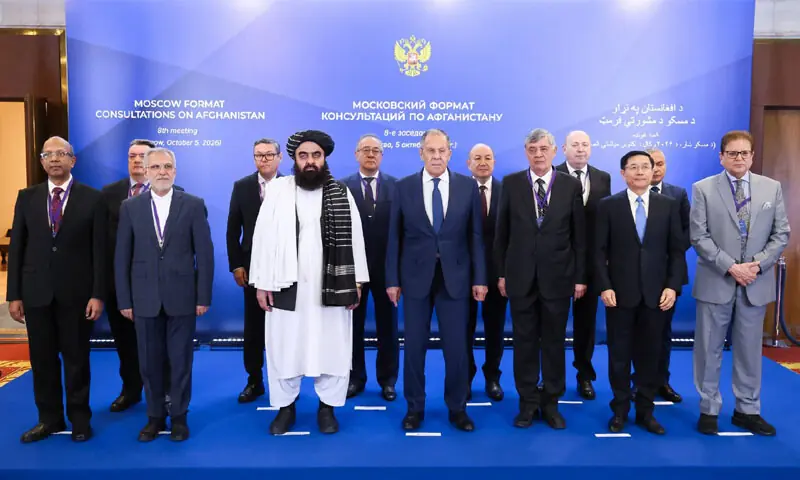
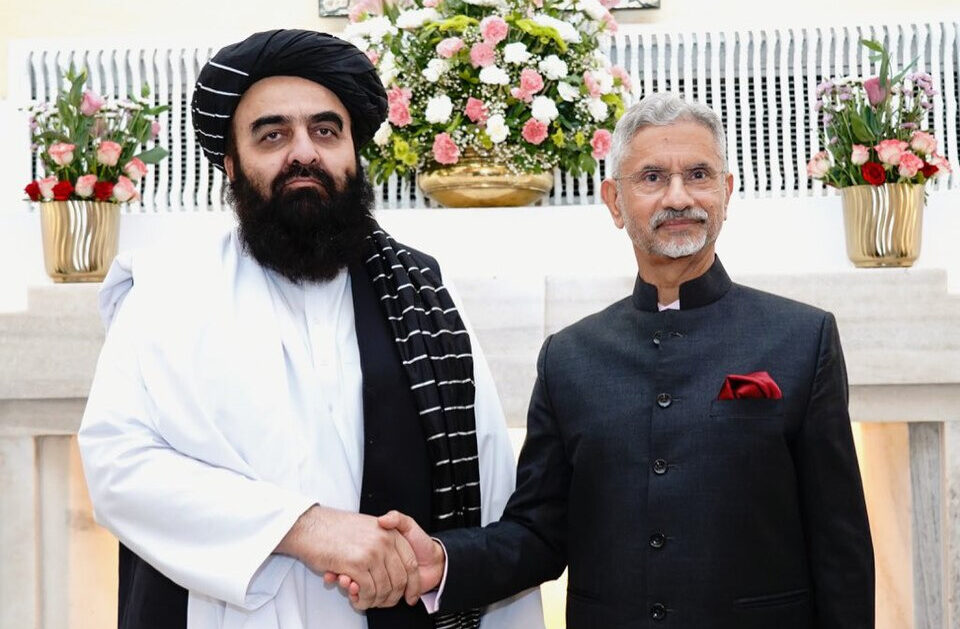
The contacts have included high-level meetings, including the January 2025 dialogue between Foreign Secretary Vikram Misri and Acting Foreign Minister Amir Khan Muttaqi. Subsequent engagements involving Taliban ministers responsible for foreign affairs, commerce, agriculture and public health underscore India’s determination to remain an influential stakeholder in Afghanistan’s political and economic landscape.
This sustained engagement has been complemented by more than US$3 billion in development assistance, including landmark projects such as the Afghan Parliament Building, the Salma Dam and the Zaranj–Delaram Highway, alongside continued humanitarian aid, scholarships, healthcare cooperation and capacity-building initiatives. Collectively, these measures have enabled India to preserve political goodwill, sustain its soft-power influence and protect decades of strategic investment despite the regime change.
The economic dimension is equally significant. By investing in Iran’s Chabahar Port and supporting the International North–South Transport Corridor, India has sought to establish an alternative trade corridor linking Indian markets with Afghanistan and onward to Central Asia while reducing its dependence on transit through Pakistan.
This connectivity strategy not only strengthens India’s economic footprint but also advances its broader ambition of expanding regional influence and positioning itself as a key factor in Eurasian trade. At the same time, security considerations remain central to New Delhi’s engagement with Kabul. Officially, both sides have emphasized counterterrorism cooperation, regional stability and preventing Afghan territory from being used by transnational terrorist groups such as ISIS-K.
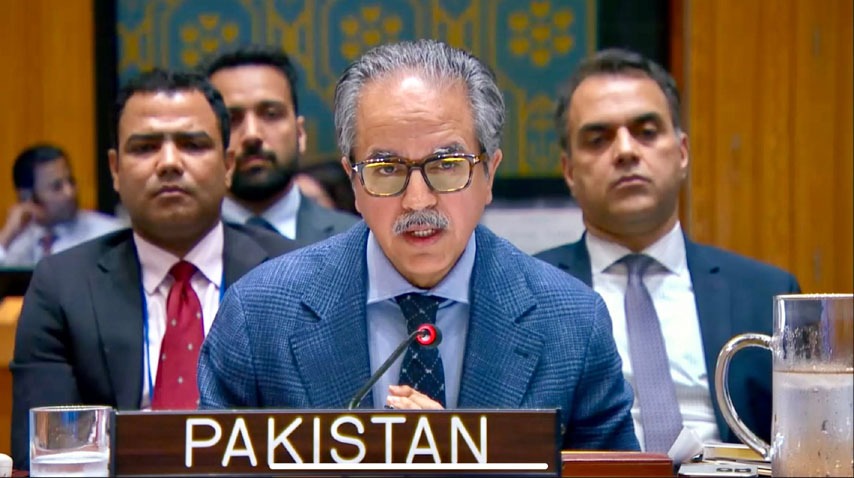
However, these developments continue to be viewed through the prism of India–Pakistan rivalry. Pakistan has repeatedly alleged, including through dossiers presented to the United Nations Security Council and earlier diplomatic submissions, that anti-Pakistan militant groups such as the Tehrik-i-Taliban Pakistan (TTP) have received support through Indian diplomatic networks in Afghanistan.
While India has consistently rejected these allegations, they illustrate the depth of strategic mistrust that continues to shape regional perceptions and reinforce Afghanistan’s centrality in the geopolitical competition between the two nuclear-armed neighbors.
Ultimately, India’s engagement with Afghanistan reflects a broader strategic vision rooted in Kautilya’s principles of strengthening one’s own position while constraining regional rivals. By deepening diplomatic, economic and political ties with Kabul, New Delhi has expanded its influence in Afghanistan, enhanced its access to Central Asia and reinforced its regional standing.
At the same time, Pakistan maintains that anti-Pakistan militant groups operating from Afghan territory have received Indian support. Irrespective of these competing narratives, Pakistan has been compelled to dedicate considerable military, financial and institutional resources to counter the TTP insurgency and secure its western frontier.
In strategic terms, this prolonged rivalry diverts Pakistan’s attention and resources, while India continues to consolidate its regional footprint through diplomacy, connectivity and economic engagement. In this sense, Afghanistan remains central to New Delhi’s long-term geopolitical calculus and its pursuit of greater regional influence.

Your go-to editorial hub for policy perspectives and informed analysis on pressing regional and global issues.