![Pakistan voices concern over deadly Kashmir attack on tourists, joins global leaders in condemning the violence. [Image via AFP]](https://southasiatimes.org/wp-content/uploads/2025/04/4594953-1633556972.webp)
ISLAMABAD: Pakistan on Wednesday voiced concern over the killing of civilians in Indian-administered Kashmir, after at least 26 people were gunned down by unidentified assailants at a tourist site in the region’s deadliest attack on non-combatants in decades.
The shooting occurred Tuesday afternoon in Pahalgam, a popular resort town in the Anantnag district, when armed men emerged from forest cover and opened fire on crowds of mostly domestic tourists.
Indian officials said the attack bore the hallmarks of an organized militant assault, though no group claimed responsibility for it. Survivors described a calculated and prolonged attack, with gunmen selectively targeting men and sparing women.
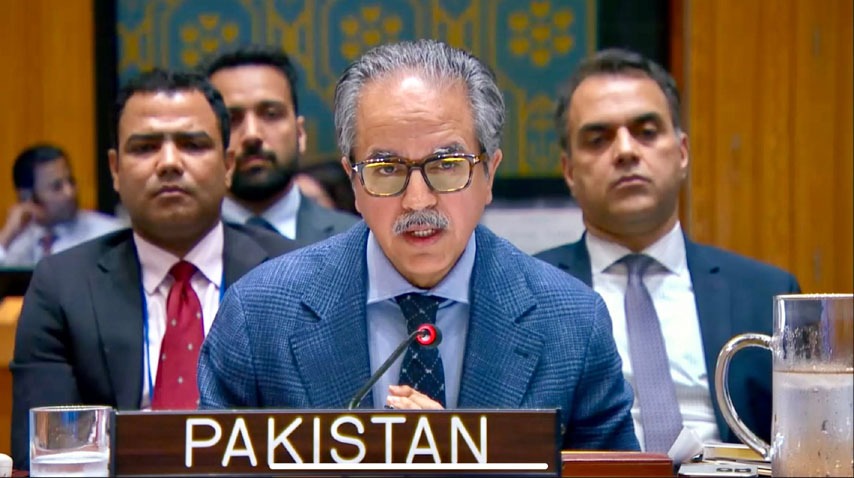
“We are concerned at the loss of tourists’ lives in an attack in Anantnag district of Indian Illegally Occupied Jammu and Kashmir,” the foreign office of Pakistan said in a statement.
“We extend our condolences to the near ones of the deceased and wish the injured a speedy recovery,” it added.
Indian Prime Minister Narendra Modi, who cut short a state visit to Saudi Arabia in response, called the attack a “heinous act” and pledged that the perpetrators would be brought to justice.
Such attacks have historically strained ties between India and Pakistan, two nuclear-armed rivals with a long-standing dispute over Kashmir. In 2019, a suicide bombing in Pulwama killed 40 Indian paramilitary personnel and triggered cross-border air strikes, pushing the neighbors to the brink of war.
Also See: Kashmir, An Unending Story of Resistance
New Delhi has repeatedly blamed Islamabad for backing militant groups operating in the region, an allegation Pakistan denies, insisting it supports only the political aspirations of Kashmiris.
On Wednesday, India’s army also reported killing two gunmen in a separate incident near the Line of Control, the de facto border separating the Pakistani and Indian sides of Kashmir, in Baramulla district, describing it as a foiled infiltration attempt.
Kashmir has been divided between India and Pakistan since 1947, with both countries claiming it in full. A violent separatist insurgency has simmered in the Indian-administered part since the late 1980s, although militant violence had declined in recent years.
Tuesday’s attack has also promoted global reaction, with US President Donald Trump and EU chief Ursula von der Leyen condemning the violence and pledging support for India in pursuing the assailants.
This news is sourced from Arab News and is intended for informational purposes only.

Your trusted source for insightful journalism. Stay informed with our compelling coverage of global affairs, business, technology, and more.