Peace Through Strength: Shahbaz Sharif at the UNGA
At UNGA 2025, Shahbaz Sharif projected Pakistan’s confidence, framing deterrence, Kashmir, and Palestine within a call for peace and sovereignty.

At UNGA 2025, Shahbaz Sharif projected Pakistan’s confidence, framing deterrence, Kashmir, and Palestine within a call for peace and sovereignty.

Amnesty International’s Shadows of Control paints a bleak picture of Pakistan’s digital surveillance. Yet by sidelining the country’s acute security challenges, dismissing existing legal safeguards, and overlooking its own credibility issues, the report offers a partial and misleading narrative. A more balanced approach requires situating surveillance within Pakistan’s counterterrorism imperatives and recognizing the global double standards at play.

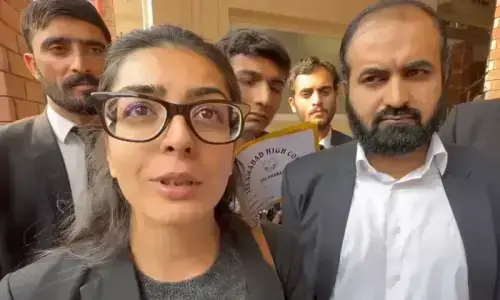
Mahrang Baloch is hailed as a human rights defender, yet her rhetoric, symbolism, and political positioning reveal alignment with separatist objectives. Her activism reflects the dynamics of narrative warfare, where political fronts provide legitimacy to armed insurgencies.

Pakistan’s decision to nominate Donald Trump for the 2026 Nobel Peace Prize highlights his role in brokering ceasefires, but also exposes deep divisions at home and abroad over his aggressive policies and controversial record on global conflicts.

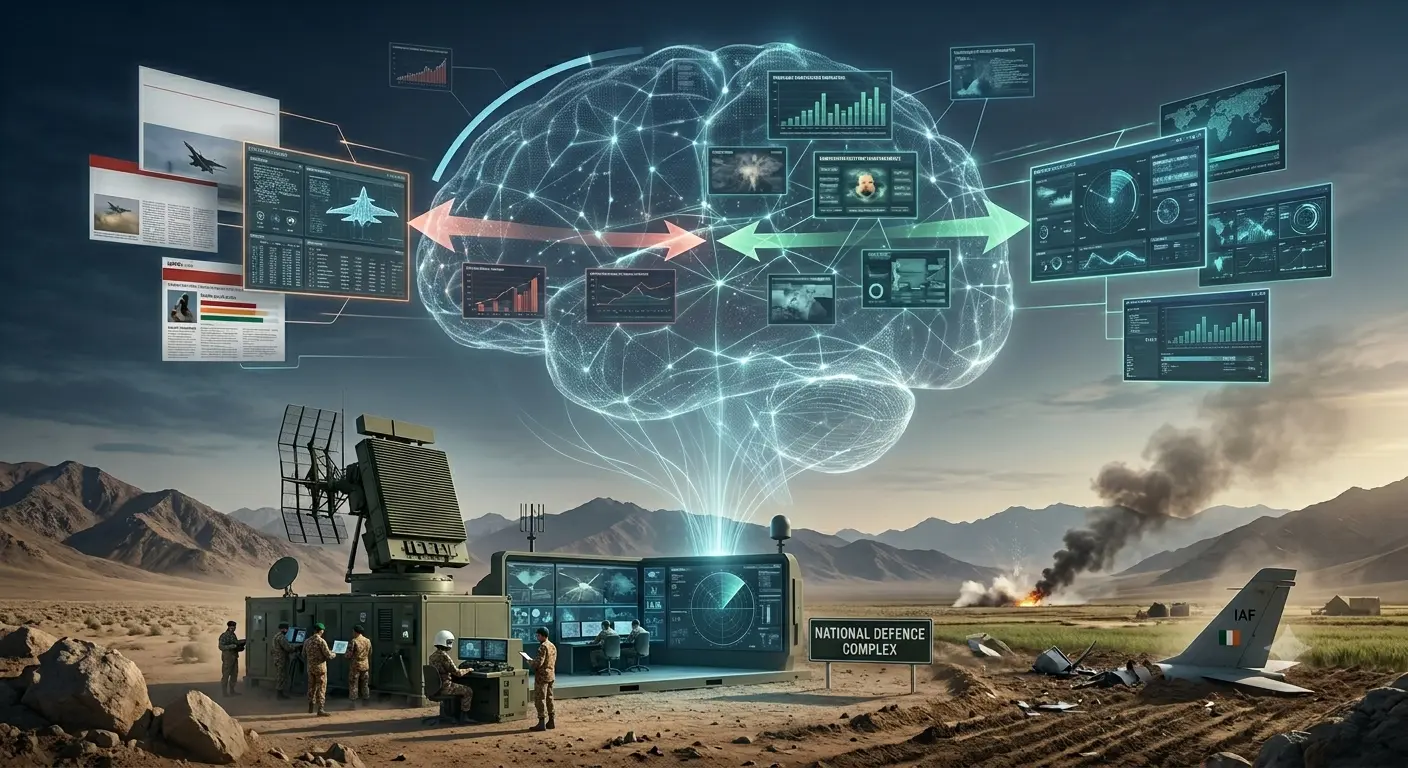
Pakistan’s defence modernization reflects a shift from dependence on foreign suppliers to indigenous innovation, marked by platforms like the JF-17 Thunder, Al-Khalid tank, and indigenous UAVs. While partnerships with China and Turkey remain vital, the future hinges on balancing sovereignty, economic constraints, and strategic sustainability. The challenge is not only to build power but to wield it wisely.

The Pakistan-Saudi Strategic Mutual Defense Agreement marks a historic shift from informal cooperation to a binding security alliance. Anchored in collective defense and deterrence, the pact reshapes Gulf security, challenges reliance on Western guarantees, and positions Islamabad as a formal net security provider in the region.

Pakistan is facing a new environmental reality where floods, glacier melts, and devastating cloudbursts are no longer rare but routine. Despite contributing less than 1% of global emissions, the country bears the brunt of climate change, with fragile infrastructure and limited resources leaving millions vulnerable to recurring disasters.

In an interview with Al Jazeera, Pakistan’s Deputy PM Ishaq Dar declared the UN system broken and urged the Muslim world to move from words to action. He called for an Islamic security roadmap, highlighted Pakistan’s nuclear deterrence, and issued red lines on India and Afghanistan.

For two decades, Pakistan has endured TTP-led violence. Now, a rare consensus among Deobandi, Barelvi, and Ahl-e-Hadith scholars delegitimizes the insurgency and redefines jihad versus rebellion.

Pakistan has the military capacity to challenge Israel’s siege on Gaza, but not the strategic insulation of Iran. Its real role is not war posturing but disrupting the default — building structures, alliances, and deterrence frameworks that restore coherence to a fragmented Muslim world.