
The Silent Architect—Pakistan’s Legacy of Peace
The evolution of Pakistan’s foreign policy from Cold War conduit to contemporary regional mediator, emphasizing its role in facilitating dialogue between antagonistic global powers.

The evolution of Pakistan’s foreign policy from Cold War conduit to contemporary regional mediator, emphasizing its role in facilitating dialogue between antagonistic global powers.

An analytical post-mortem on the weaponization of corporate identity and the validation of Jinnah’s Two-Nation Theory in the modern Indian retail landscape.

Hydro-Diplomacy Under Siege: The Legal Fragility of India’s Treaty Abeyance The Indus Waters Treaty (IWT) has long been cited as one of the world’s most

Amjad Taha’s narrative on Indian tanker Sanmar Herald (April 18, 2026) aims to disrupt Pakistan-mediated peace efforts. While citing “piracy” to bolster a pro-Israel stance, Taha ignores the strategic success of Islamabad’s diplomacy, which has maintained safe passage for Pakistani vessels, contrasting with the targeted, restricted movement of vessels in the re-imposed exclusion zone.Â

Washington claims victory, Tehran warns of war, and the IRGC loses patience. Is this the dawn of a new peace, or just a mirage in the desert?

The “completely open” Strait of Hormuz is a major win for diplomacy, but at what cost? We dive into the hidden terms of the deal and the fragile future of the Middle East.

From 1973 oil embargo to 2026 tensions, Middle East energy geopolitics is shaking global markets and economies.

Pakistan cuts illegal migration to EU by 47% via 1,700+ arrests. Europe hails it as frontline partner, eyes legal labor paths amid crime-terror links.

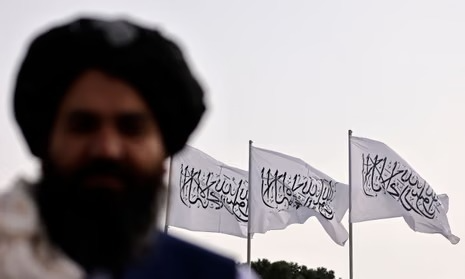
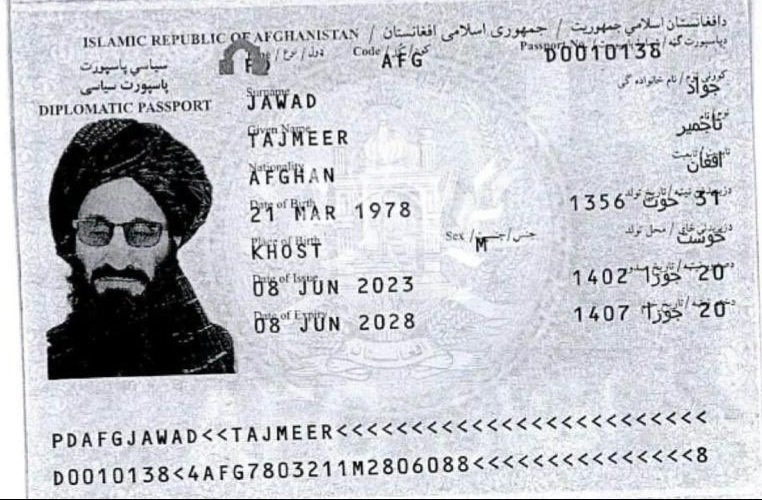
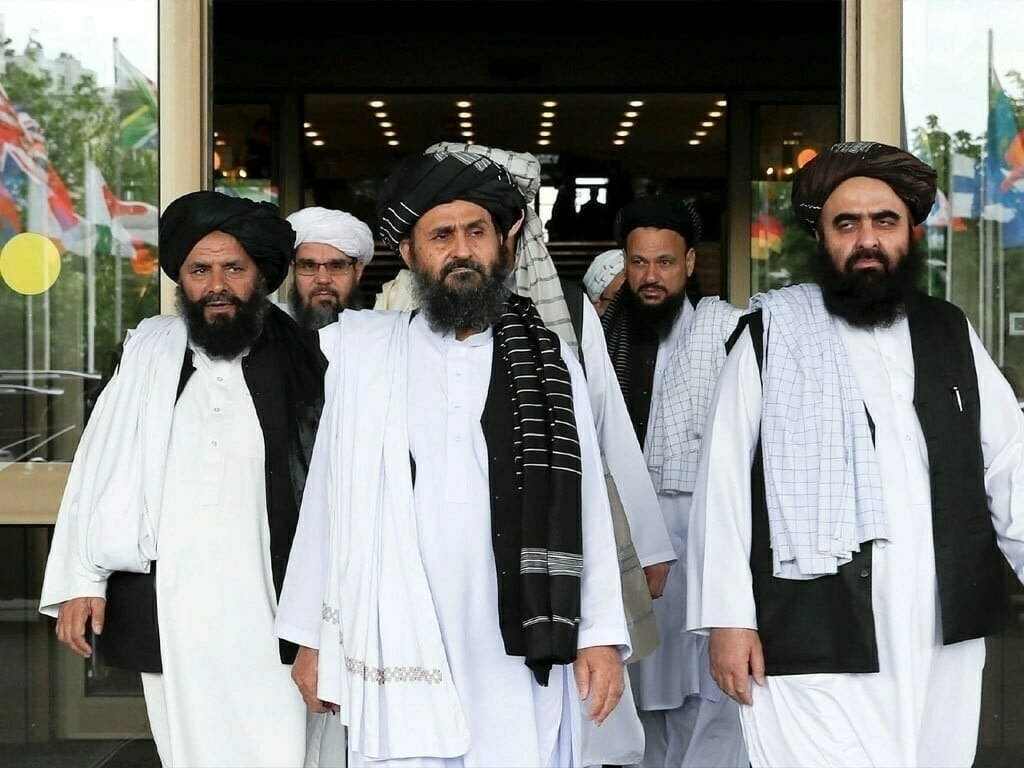
UN and Russian assessments highlight persistent militant networks in Afghanistan, raising regional security concerns despite Taliban control.

Al Jazeera’s portrayal of TTP militants as “fighters” raises concerns over journalistic bias and counterterrorism framing.