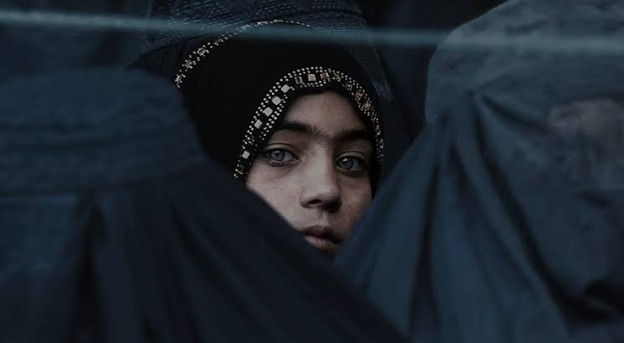
Five years after the Taliban’s return to power, one of the most enduring symbols of Afghanistan’s humanitarian and political crisis is not found on the battlefield but in the empty classrooms where millions of girls should be studying.
The denial of education has become far more than a domestic policy; it is a deliberate instrument through which the Taliban seek to impose their ideological vision on Afghan society. By invoking religious narratives to justify restrictions that lack broad support among Islamic scholars, the regime has progressively dismantled women’s rights while disregarding international law and fundamental human dignity.
The Taliban’s restrictions did not emerge overnight. They were introduced gradually, with each decree further shrinking the space available to Afghan women. Women were first excluded from political life and decision-making institutions.
They were then pushed out of government positions and much of the public sector, while independent female voices disappeared from television and other media. Universities closed their doors to women, followed by the indefinite suspension of girls’ secondary education beyond the sixth grade.
Over time, the restrictions expanded into everyday life. Women were barred from parks, gyms, and public bathhouses, beauty salons were closed, and stringent mahram requirements effectively placed their movement under male supervision. Collectively, these measures have transformed women from active participants in society into subjects of state control.
Among these restrictions, the ban on girls’ education carries perhaps the most devastating long-term consequences. Education is not merely the acquisition of knowledge; it is the foundation of economic opportunity, political participation, and social mobility. By denying millions of girls’ access to schools and universities, the Taliban are eroding Afghanistan’s future human capital. Every year that classrooms remain closed widens the country’s development gap, deepens poverty, and reduces the prospects for long-term recovery.
The Taliban have consistently defended these policies as consistent with their interpretation of Islamic principles, arguing that educational restrictions are necessary until conditions meet their understanding of Sharia. Yet this narrative remains widely contested across the Muslim world. Numerous Islamic scholars and governments have reaffirmed that Islam places great importance on the pursuit of knowledge for both men and women.
Throughout Islamic history, women served as scholars, teachers, and transmitters of religious knowledge. The exclusion of girls from education therefore reflects a political interpretation of religion rather than an uncontested religious obligation. By monopolizing religious discourse, the Taliban have turned faith into an instrument of governance that legitimizes authoritarian control instead of promoting social justice and intellectual development.
International organizations have repeatedly documented the consequences of these policies. United Nations agencies have described the restrictions as unprecedented in the modern era and warned that Afghan women and girls face discrimination affecting nearly every aspect of public life.
Human rights experts argue that women have become the primary targets of institutionalized repression through policies designed to exclude them from education, employment, and public participation. Rather than protecting cultural or religious values, these measures have created a system in which women serve as instruments through which the regime projects ideological authority.
The exclusion of women from the workforce further illustrates this broader strategy. Preventing women from working not only undermines household incomes in one of the world’s poorest countries but also deprives Afghanistan of skilled professionals, including teachers, healthcare workers, and civil servants. The education ban therefore creates a vicious cycle: fewer educated girls today mean fewer qualified women tomorrow, weakening institutions that are essential for national development.
Beyond its domestic consequences, the Taliban’s policies have further isolated Afghanistan internationally. The right to education is protected under multiple international human rights instruments, including the Universal Declaration of Human Rights and the Convention on the Rights of the Child.
Continued violations have complicated the Taliban’s quest for international legitimacy and recognition, reinforcing concerns that the regime remains unwilling to align its governance with internationally accepted norms. While many governments continue to engage with the Taliban on humanitarian and security issues, few are prepared to normalize relations while such sweeping restrictions remain in place.
Five years after the Taliban’s return to power, Afghanistan’s girls remain trapped between ideological rule and denied opportunities. Empty classrooms represent more than an educational crisis; they symbolize the deliberate suppression of an entire generation’s potential. No society can achieve lasting stability or sustainable development while excluding half of its population from learning, working, and participating in public life. Until Afghan girls are allowed to reclaim their classrooms and their futures, Afghanistan’s path towards prosperity, legitimacy, and lasting peace will remain fundamentally constrained.

Your go-to editorial hub for policy perspectives and informed analysis on pressing regional and global issues.