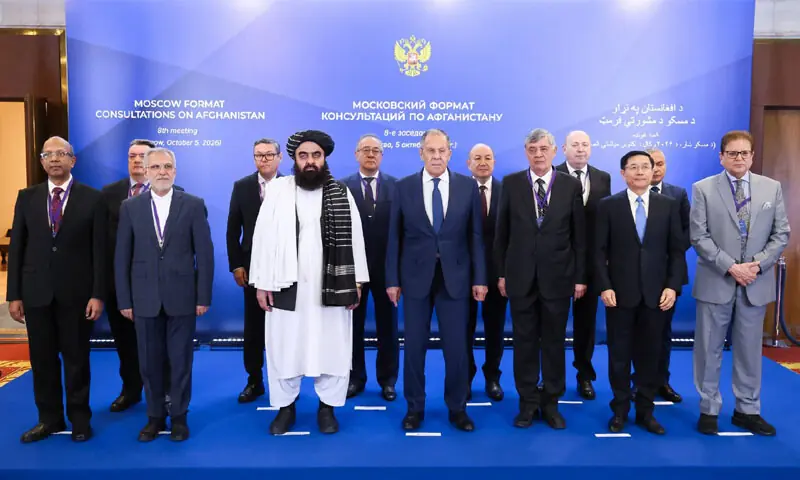
For decades, the rugged frontier between Pakistan and Afghanistan has been a landscape of shared destinies and persistent friction. The core challenges of cross-border security, trade disputes, and border management have transcended the various governments in Kabul. Since the change of government in Afghanistan in August 2021, the crisis has acutely worsened, escalating security threats for Pakistan. Over the last four years, multiple diplomatic and non-diplomatic channels have been adopted to manage the fallout. Against this backdrop, the upcoming visit of Afghanistan’s Acting Foreign Minister, Amir Khan Muttaqi, to Islamabad from August 4th to 6th offers renewed hope and a platform to reopen dialogue, representing a necessary first step toward finding common ground and building a more stable future.
There appears to be a growing recognition, particularly within the Afghan interim government, that addressing the activities of terrorist groups, specifically the Tehreek-e-Taliban Pakistan (TTP), which Pakistan designates as Fitna-e-Khawarij, is a prerequisite for stable, long-term relations. The TTP’s use of Afghan territory to stage attacks against Pakistan remains a primary source of friction, and this visit suggests an understanding that cooperation, rather than confrontation, is essential for advancing the interests of both states.
The Overriding Security Imperative
Central to the discussions will be the issue of security, which remains Pakistan’s primary concern. The frequency and scale of attacks by the TTP have escalated sharply since 2021. Data indicates a significant rise in violent incidents in FATA, with casualties rising year on year. This trend has continued into 2025 with high-profile attacks, including a deadly attack on a military convoy in Mir Ali, North Waziristan, in late June. The Pakistani army had to launch a military operation in the border areas of Bajaur district due to the orsening situation.
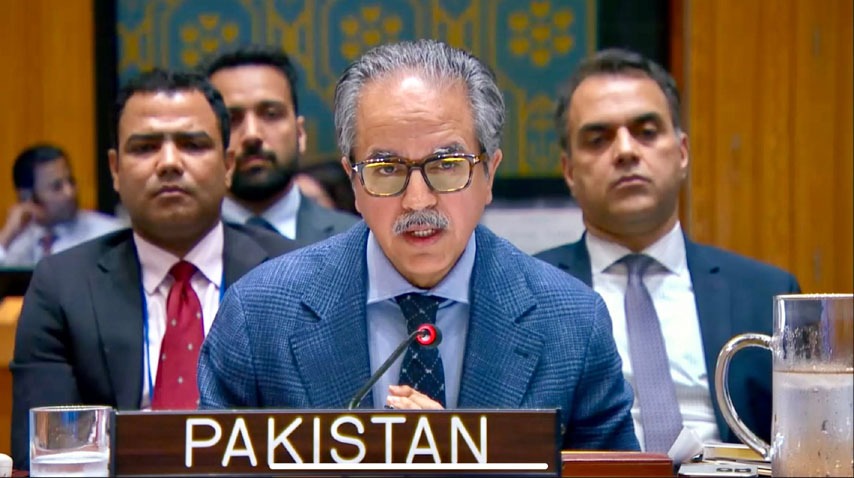
Pakistan has consistently maintained that the TTP leadership and its operational sanctuaries are located in Afghanistan. In a June 2025 address to the UN Security Council, Pakistan’s Permanent Representative, Asim Iftikhar Ahmad, stated that the TTP is the largest UN-designated terrorist group operating from Afghan territory and warned of credible evidence of operational coordination between the TTP and other groups like the Balochistan Liberation Army (BLA).
For its part, the Afghan interim government has publicly stated it will not allow Afghan soil to be used against any country. However, its actions have been perceived by Islamabad as insufficient. The Afghan Taliban’s approach has largely been to mediate talks between Pakistan and the TTP, rather than taking direct kinetic action against the group, with whom it shares historical and ideological ties. This reluctance is a major point of contention. The discussions during Muttaqi’s visit will therefore be critical for gauging whether there is a shift in Kabul’s strategic calculus. While sustained engagement with Pakistan’s civilian leadership is essential, dialogue with the country’s security institutions, including the military, remains necessary for addressing core security challenges. Given the military’s operational role in counterterrorism and border security, their participation ensures that any agreement on intelligence sharing, counter-TTP measures, or border management is both implementable and grounded in on-the-ground realities.
The Economic Dimension: Interdependence and Irritants
Beyond the security paradigm, the economic relationship holds considerable importance and potential. Engagements with Pakistan’s civilian leadership, including Prime Minister Shahbaz Sharif and Deputy PM/FM Ishaq Dar, are essential for progress on this front, as these meetings provide the formal state-to-state platform for negotiating economic frameworks. Recent data shows a positive trend, with Pakistan’s exports to Afghanistan surging by 38.68% to $773.89 million in the 2024-25 fiscal year, while imports more than doubled to $25.89 million. Tangible progress was made in late July 2025 with the signing of an Early Harvest Programme. Effective August 1st, this agreement reduces tariffs on eight key agricultural products, a move seen as a crucial first step toward a comprehensive Preferential Trade Agreement (PTA) that has been stalled for nearly a decade. The visit is expected to prioritize the revival of the Afghanistan-Pakistan Transit Trade Coordination Authority (APTTA) and customs harmonization, steps critical to facilitating trade and reducing friction.
However, this economic potential is frequently undermined by political and security-related disruptions. The economic relationship is extremely vulnerable to border closures, which are often a direct consequence of security incidents or political disputes. For instance, the closure of the main Torkham border crossing for over a week in September 2023, following a skirmish between border forces, inflicted massive financial damage. Reports from chambers of commerce on both sides caused heavy losses, with thousands of trucks stranded and perishable goods like fresh fruit and vegetables rotting. Such closures have become a recurring problem, contributing to a sharp decline in the annual bilateral trade volume from a peak of $2.5 billion to just over $1 billion. These incidents not only cause immediate financial loss but also erode trader confidence and disrupt supply chains, making a stable economic relationship difficult to sustain.
The Status of Afghan Nationals: A Complex Humanitarian Challenge
The status of Afghan nationals in Pakistan is another critical agenda item that requires a structured, long-term approach. As of June 2025, UNHCR figures indicate Pakistan hosts over 2.35 million Afghans. In early 2025, Pakistan resumed its Illegal Foreigners Repatriation Plan (IFRP), leading to the return of over tens of thousands of Afghans to date. While Islamabad frames this as a necessary measure for national security and resource management, it has created a complex diplomatic situation.
The policy, has been met with concern from the Afghan interim government, with Foreign Minister Muttaqi previously expressing deep concern and sadness over the deportations and their impact on the rights and property of Afghan migrants. The situation is nuanced, with different legal statuses affording varying levels of protection. PoR holders have a degree of legal standing, but ACC holders and undocumented individuals are far more vulnerable to arrest and deportation. The establishment of a joint framework for systematic registration and a predictable, humane management process is essential to address Pakistan’s security concerns while upholding the dignity and rights of Afghan nationals.
An Interconnected Crisis Hindering Regional Potential
The visit underscores that the core challenges of cross-border security, economic stability, and refugee management are not isolated issues but are deeply interconnected, creating a complex cycle of cause and effect. TTP terrorism emanating from Afghanistan directly triggers heightened security measures and border closures. These closures, in turn, cripple the cross-border economy, destroying livelihoods for Pakistani and Afghan traders alike and eroding the trust necessary for long-term investment. This economic instability and lack of opportunity on both sides of the border then fuel the very grievances and desperation that complicate the refugee situation and can create fertile ground for militant recruitment.
This vicious cycle not only damages bilateral relations but also actively prevents the entire region from realizing its vast economic potential. The unresolved security threat serves as the single greatest bottleneck to greater regional connectivity. Pakistan’s ambition to act as a trade and energy corridor to the resource-rich nations of Central Asia, and Afghanistan’s potential to flourish as a continental land bridge, are both held hostage by the instability rooted in terrorism. This visit, while unlikely to produce a comprehensive solution, represents a crucial opportunity to address the central pillar of this instability. Only when tangible progress is made on the security front can a virtuous cycle begin: improved security leading to stable borders and predictable trade, which in turn fosters the economic growth and cooperation necessary to manage the refugee issue and finally unlock the shared prosperity of the wider region.

Your go-to editorial hub for policy perspectives and informed analysis on pressing regional and global issues.