Oxygen Crisis Pakistan may Import Oxygen from China or Iran

India has faced an oxygen crisis since last week. However, he advised the public to not panic. Pakistan will face the same crisis if the cases surge. Therefore, Pakistan needs to take timely actions. Information Minister Fawad Chaudhry has told that Pakistan can import oxygen tankers from china or Iran if the situation worsens.

Emergency Step

This comes after the incidents in India and the approval of making Pakistan Steel Mills operational to produce oxygen tankers. The initiative will help counter the oxygen crisis. These oxygen tankers will help cure serious cases. In Pakistan, there are around 5000 critical cases as the third wave of COVID hits with full force.

Revival of Pakistan Steel Mills

Prime Minister Imran Khan\’s advised the National Command and Operation Centre (NCOC). The NCOC gave the National Engineers Welfare Organization permission to do a preliminary study of the oxygen factory.

Reportedly, the government appointed a delegation of expert engineers. The delegation met with the chief executive of Pakistan Steel Mills Brigadier (Retd) Shuja Hassan. They discussed how to make the mill start operating again.

Engineers Playing their Role

Moreover, Mohsin Ali Khan of the National Engineer Welfare Association said that the NCOC had contacted the engineer association and offered us assistance. He informed that before starting work an inspection will be done. Mohsin stated that Pakistan steel mills have available facilities and little to no imports will be required for the product.

Additionally, he added that Pakistan Steel Mill engineers themselves can repair the equipment required for the product and some necessary materials can also be manufactured locally, thus, no requirement for imports. The most important thing, he said, is the power supply to the oxygen plant, because before the plant shut down, Pakistan Steel supplied power to the oxygen plant from its own power plant.

Cooperation is the Only Way

Lastly, Mohsin also talked about how K-electric constant involvement is required and that cooperation will be the only way to get quick access to oxygen plant revival. He added that after inspection, a report will be typed in, then it will be submitted to the PM office, and from there, any policy regarding the duration and deadline of oxygen plant revival will be decided, while keeping in view the equipment required.

News Desk

Your trusted source for insightful journalism. Stay informed with our compelling coverage of global affairs, business, technology, and more.
Recent

An analysis of Qatar’s neutrality, Al Jazeera’s framing of Pakistan, and how narrative diplomacy shapes mediation and regional security in South Asia.

Qatar’s Dubious Neutrality and the Narrative Campaign Against Pakistan

Qatar’s role in South Asia illustrates how mediation and media narratives can quietly converge into instruments of influence. Through Al Jazeera’s selective framing of Pakistan’s security challenges and Doha’s unbalanced facilitation with the Taliban, neutrality risks becoming a performative posture rather than a principled practice. Mediation that avoids accountability does not resolve conflict, it entrenches it.

Read More »
An analysis of how Qatar’s mediation shifted from dialogue to patronage, legitimizing the Taliban and Hamas while eroding global counterterrorism norms.

From Dialogue to Patronage: How Qatar Mainstreamed Radical Movements Under the Banner of Mediation

Qatar’s diplomacy has long been framed as pragmatic engagement, but its mediation model has increasingly blurred into political patronage. By hosting and legitimizing groups such as the Taliban and Hamas without enforceable conditions, Doha has helped normalize armed movements in international politics, weakening counterterrorism norms and reshaping regional stability.

Read More »
AI, Extremism, and the Weaponization of Hate: Islamophobia in India

AI, Extremism, and the Weaponization of Hate: Islamophobia in India

AI is no longer a neutral tool in India’s digital space. A growing body of research shows how artificial intelligence is being deliberately weaponized to mass-produce Islamophobic narratives, normalize harassment, and amplify Hindutva extremism. As online hate increasingly spills into real-world violence, India’s AI-driven propaganda ecosystem raises urgent questions about accountability, democracy, and the future of pluralism.

Read More »
AQAP’s Threat to China: Pathways Through Al-Qaeda’s Global Network

AQAP’s Threat to China: Pathways Through Al-Qaeda’s Global Network

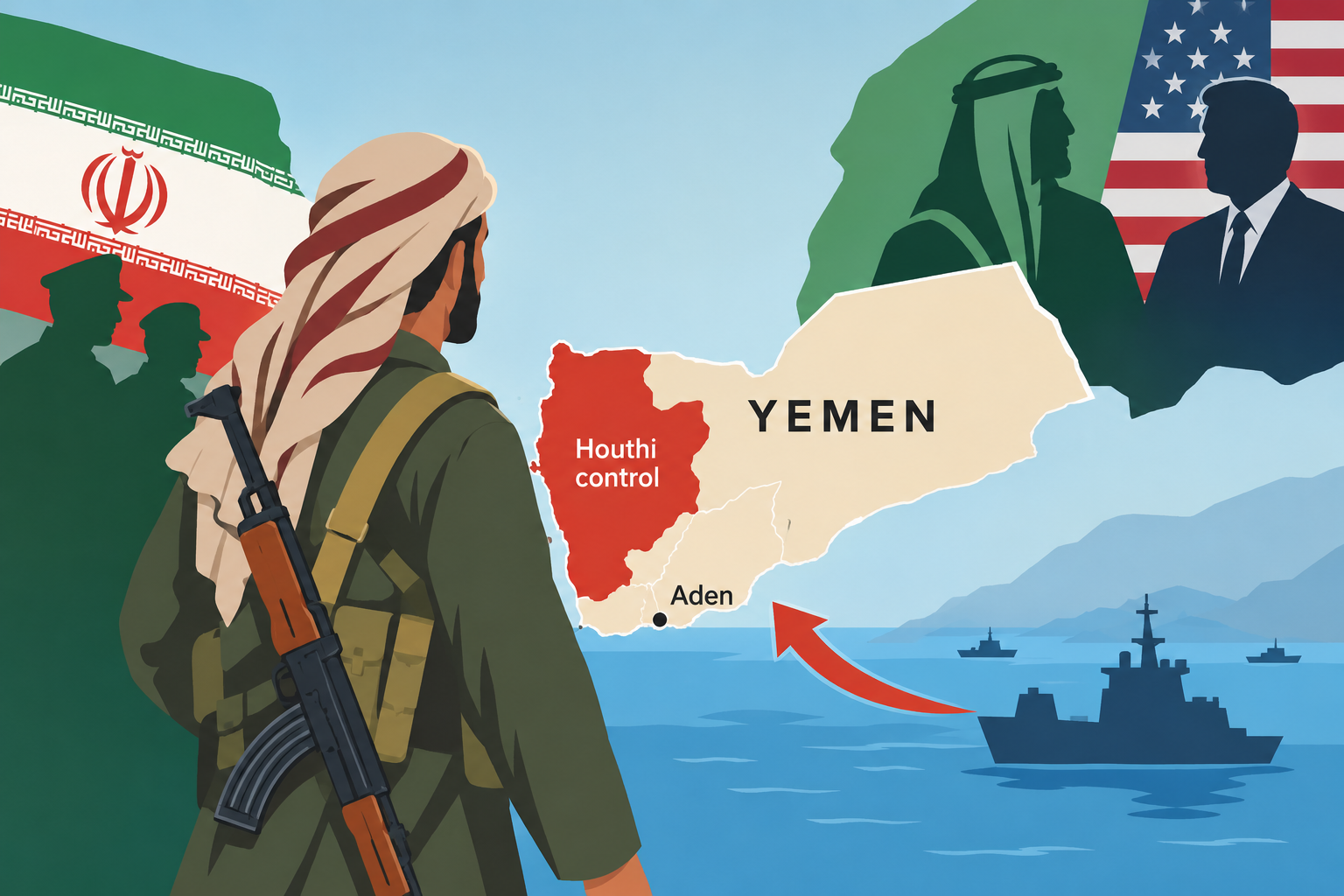
AQAP’s threat against China marks a shift from rhetoric to execution, rooted in Al-Qaeda’s decentralized global architecture. By using Afghanistan as a coordination hub and relying on AQIS, TTP, and Uyghur militants of the Turkistan Islamic Party as local enablers, the threat is designed to be carried out far beyond Yemen. From CPEC projects in Pakistan to Chinese interests in Central Asia and Africa, the networked nature of Al-Qaeda allows a geographically dispersed yet strategically aligned campaign against Beijing.

Read More »
The Enduring Consequences of America’s Exit from Afghanistan

The Enduring Consequences of America’s Exit from Afghanistan

The 2021 US withdrawal from Afghanistan was more than the end of a long war, it was a poorly executed exit that triggered the rapid collapse of the Afghan state. The fall of Kabul, the Abbey Gate attack, and the return of militant groups exposed serious gaps in planning and coordination.

Read More »