Pakistan’s energy problem is not simply a question of finding more suppliers. It is also a question of what the country can afford to import, how efficiently it can process and distribute energy, and whether its institutions can sustain the financial commitments involved.
Against this background, Russia has emerged as a potential partner in Pakistan’s efforts to diversify energy cooperation. Its experience in oil and gas production, refining and energy infrastructure offers areas for collaboration. Yet the central question remains whether this engagement can deliver commercially sustainable outcomes or become another diplomatic initiative whose ambitions exceed its implementation.
Energy security is closely connected to Pakistan’s broader economic stability. The country’s dependence on imported petroleum exposes it to international price fluctuations, supply disruptions and pressure on foreign exchange reserves.
During FY2024–25, Pakistan’s petroleum imports, including crude oil and petroleum products, amounted to approximately $11.194 billion, accounting for 39 per cent of the national energy mix, according to figures presented by the Ministry of Energy to the National Assembly. However, the challenge extends beyond import dependence.
The International Monetary Fund has identified structural inefficiencies, distribution losses, under-recovery and circular debt as persistent weaknesses in Pakistan’s energy sector. This means that securing additional supplies, without addressing the domestic constraints that make energy expensive, will offer only partial relief.
Russia’s relevance lies in the range of areas in which its energy sector can potentially contribute. Petroleum supplies, refinery modernisation, exploration and technical assistance could provide opportunities for Pakistan to strengthen its existing infrastructure and diversify its sources of cooperation. These possibilities have featured in bilateral discussions.
During a meeting in Moscow in July 2025, Russia’s First Deputy Minister of Energy identified hydropower, liquefied petroleum gas and oil refinery modernisation as potential areas for future collaboration. The engagement is significant because the bilateral agenda has expanded beyond crude oil imports.
The 2023 Russian crude oil arrangement offered an early test of this potential. Pakistan and Russia agreed to work out the technical specifications and commercial terms of oil and gas transactions, including arrangements that would provide mutual economic benefit.
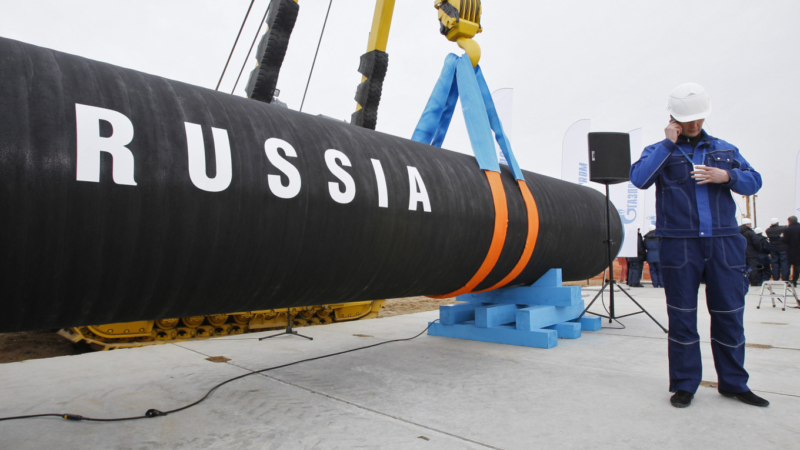
Their eighth Intergovernmental Commission also called for a comprehensive plan for energy cooperation and emphasised that the Pakistan Stream Gas Pipeline should be considered in terms of economic viability and affordable gas supplies. The subsequent arrival of a Russian crude cargo in Pakistan in June 2023 demonstrated the possibility of bilateral energy trade. However, it did not establish a regular or commercially sustainable supply arrangement.
It reflects that diversification is not automatically synonymous with energy security. A new supplier can reduce dependence on existing sources, but only if the supply is reliable, competitively priced and compatible with domestic infrastructure.
Russian crude must be assessed against the technical requirements of Pakistani refineries, the cost of transportation and the quality and yield of the refined products. A discounted purchase price may appear attractive, but the final cost depends on the entire transaction, including freight, insurance, processing and payment arrangements. If these costs eliminate the price advantage, the strategic value of the arrangement becomes considerably weaker.
Financial arrangements present another challenge. Pakistan’s limited fiscal space and foreign exchange constraints make large energy transactions difficult to sustain without reliable payment mechanisms.
The two governments recognised these issues during their 2023 negotiations, when technical specifications and commercial arrangements were treated as necessary conditions for finalising oil and gas trade. International sanctions add another layer of due diligence.
For example, the United States’ Office of Foreign Assets Control maintains specific restrictions and compliance requirements relating to Russian petroleum transactions and maritime services. These rules do not amount to a universal prohibition on every transaction involving Russian oil, but they make the choice of counterparties, banks, insurers and shipping arrangements particularly important. Pakistan cannot afford to pursue an energy deal without assessing the regulatory and financial exposure attached to it.
Refinery modernisation offers a potentially more durable area of cooperation. Improving domestic refining capacity could reduce dependence on imported refined petroleum products and strengthen the ability of local facilities to process different grades of crude.
Pakistan has already introduced a policy framework for upgrading existing refineries, recognising the need for investment, improved efficiency and better-quality fuel production. Russian technical expertise and investment could complement this process, provided that partnerships are based on clear project assessments rather than broad expressions of interest.
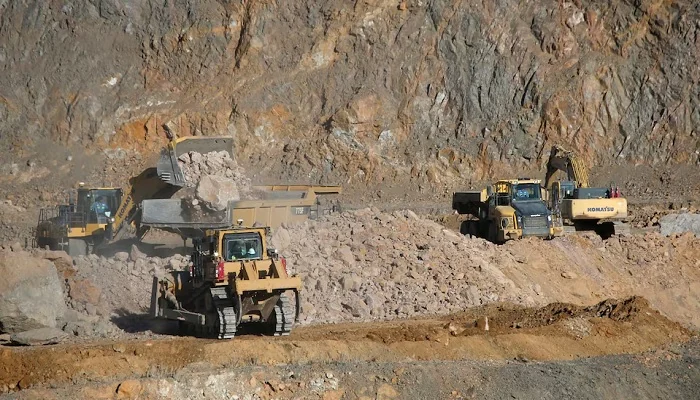
The same principle applies to exploration and infrastructure development. Joint ventures should identify specific sites, investment requirements, expected returns and the responsibilities of each partner before political commitments are translated into contracts.
Recent engagement suggests that both sides continue to see energy as a priority. In October 2025, Pakistan’s Petroleum Minister met the chairman of Gazprom in Russia, where both sides agreed to enhance cooperation between Gazprom and Pakistan’s Oil and Gas Development Company Limited.
Discussions also involved potential Russian investment in Pakistan’s energy and mineral resources. These developments provide an institutional opening. But an agreement to enhance cooperation should not be confused with a completed investment or an operational project. The real test will be whether these discussions produce bankable proposals, defined timelines and measurable progress.
Therefore, Pakistan should approach Russian energy cooperation through a framework of commercial feasibility rather than diplomatic symbolism. Government institutions can facilitate negotiations, but energy companies and private investors must determine whether individual projects are financially and technically viable.
Transparent procurement, predictable regulation, workable financing and long-term supply arrangements are essential. Cooperation should also extend to energy efficiency and infrastructure improvements, rather than concentrating exclusively on fossil fuel imports.
Overall, Russia can become a meaningful partner in Pakistan’s energy security, but it cannot become a substitute for domestic reform or a solution to every supply constraint. The relationship offers opportunities in petroleum trade, refining, exploration and technical cooperation, yet each requires careful economic assessment.
Pakistan’s objective should not simply be to purchase more energy from a different source. It should be to build a more resilient energy system in which diversified suppliers, efficient infrastructure and sustainable commercial arrangements reinforce one another.
Ultimately, the success of Pakistan–Russia energy cooperation will be measured by the projects implemented and the economic value they deliver.

Sherzimah Akbar
Sherzimah Akbar is a Research Officer at the South Asia Times and graduated from International Islamic University, Islamabad. Her research interests include Indian defense and military modernization, maritime strategy, South Asian security, India–Pakistan relations, and the Indo-Pacific.