On Sunday, an Aramco building in Riyadh was targeted in an attempted attack, that damaged the skyscraper. The Houthis claimed responsibility for the attack. Aramco facilities and infrastructure have been repeatedly targeted by Yemen’s Houthi rebels in recent months.
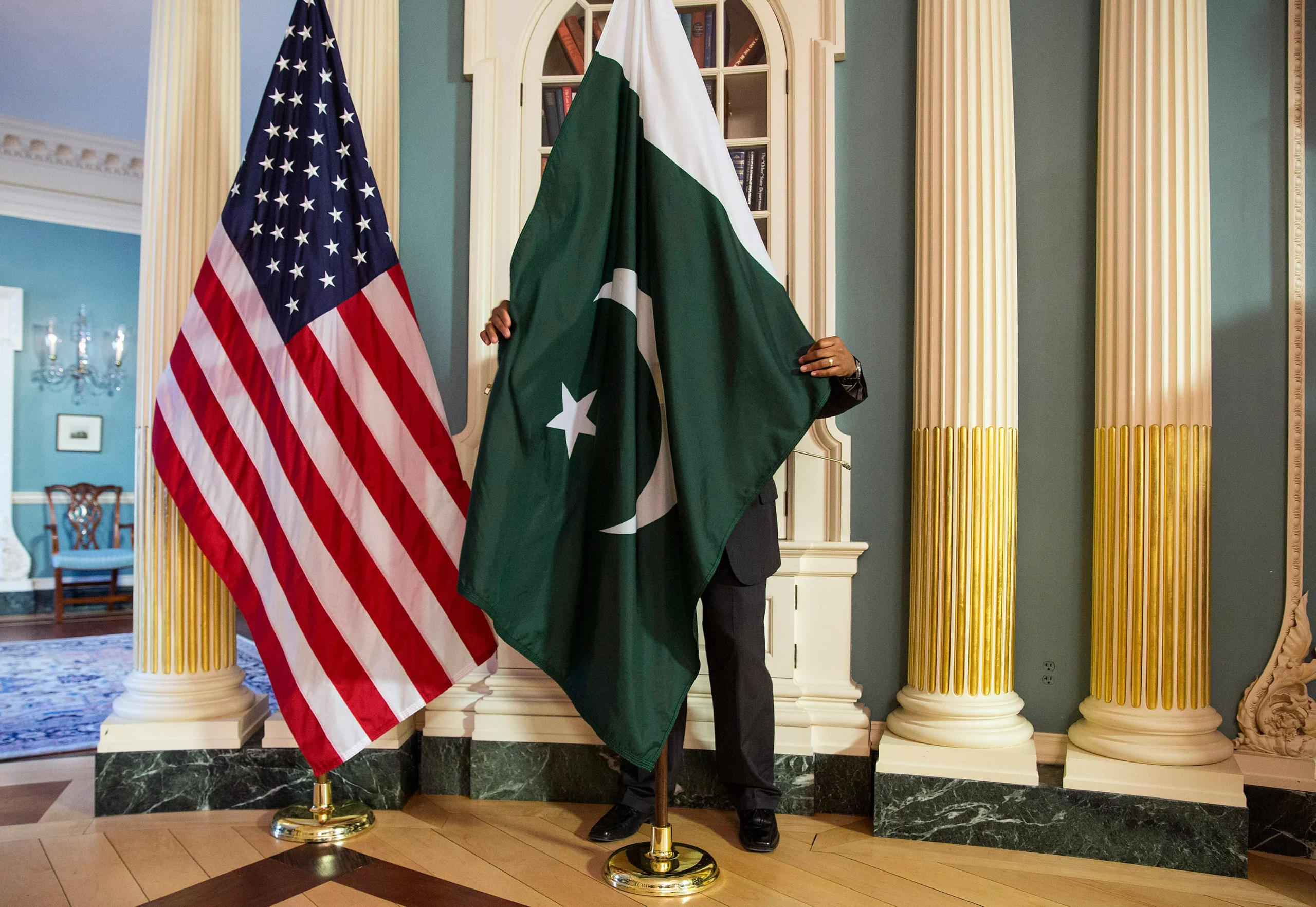
While condemning the attack, Pakistan’s Foreign Office stressed that the targeting of civilian infrastructure demonstrated a “reckless regard for human life and regional security” and demanded the Houthis cease all attacks against Saudi Arabia “immediately and unconditionally”.
“Fortunately, no casualties were reported,” the FO said. It went on to commend the “vigilance and swift response” displayed by Saudi authorities in “confronting this unjustifiable and unprovoked aggression”.
Expressing solidarity with Saudi Arabia, the statement added that Pakistan stood resolutely with the leadership of the kingdom and “reaffirm our full support for all measures necessary to safeguard its security, sovereignty and territorial integrity”. It added that Saudi Arabia’s security was of “paramount importance” to Pakistan.
Pakistan’s official statements about Saudi security always contain three recurring themes, “Pakistan’s solidarity with Saudi Arabia, Pakistan’s support for measures necessary to safeguard Saudi security, and the extreme importance of Saudi security to the Pakistani government and state”.
The latest Foreign Office statement on Saudi security should be understood in the context of broader strategic relationship between the Kingdom of Saudi Arabia and Pakistan.
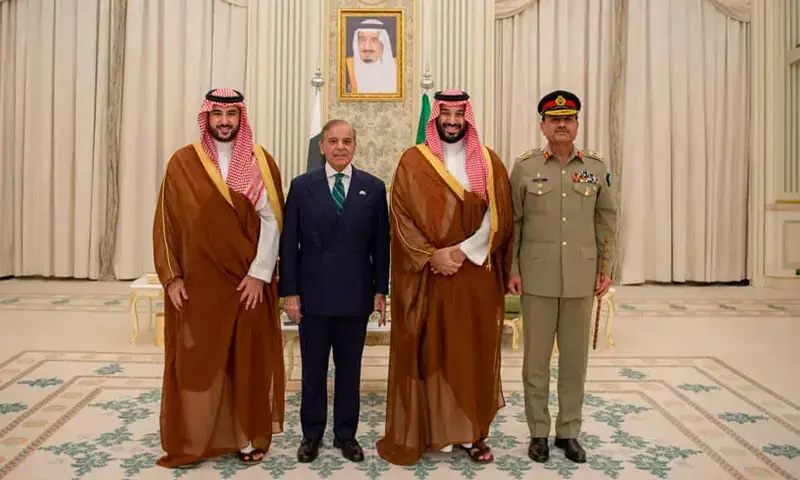
In recent months Pak-Saudi relations have moved beyond mere religious solidarity, diplomatic commitments and economic cooperation. In September 2025 Pakistan and Saudi Arabia signed a Strategic Mutual Defense Agreement which committed two states to a situation where attack on one will be considered attack on the other. Pakistan’s commitment to Saudi Arabia pre-dates this agreement but with the signing of this agreement the mutual defense commitment acquired a formal bilateral dimension.
On August 7, 2026, Pakistan joined Saudi Arabia and Turkiye to sign the Makkah Joint Defence Agreement—a tripartite agreement committing all the three member states to an arrangement where an attack on one member state would be considered an attack on all three.
International military experts attach great deterrence value to this tripartite agreement. Pakistan’s defense relations with Saudi Arabia are at bilateral level but the Makkah Joint Defense Agreement adds a trilateral dimension to this security relations.
International media and military experts are dubbing this tripartite agreement as an Islamic NATO. However, at the strategic level the Pakistani government has made it clear that this agreement is not aimed at targeting any specific country and it is defensive in nature.
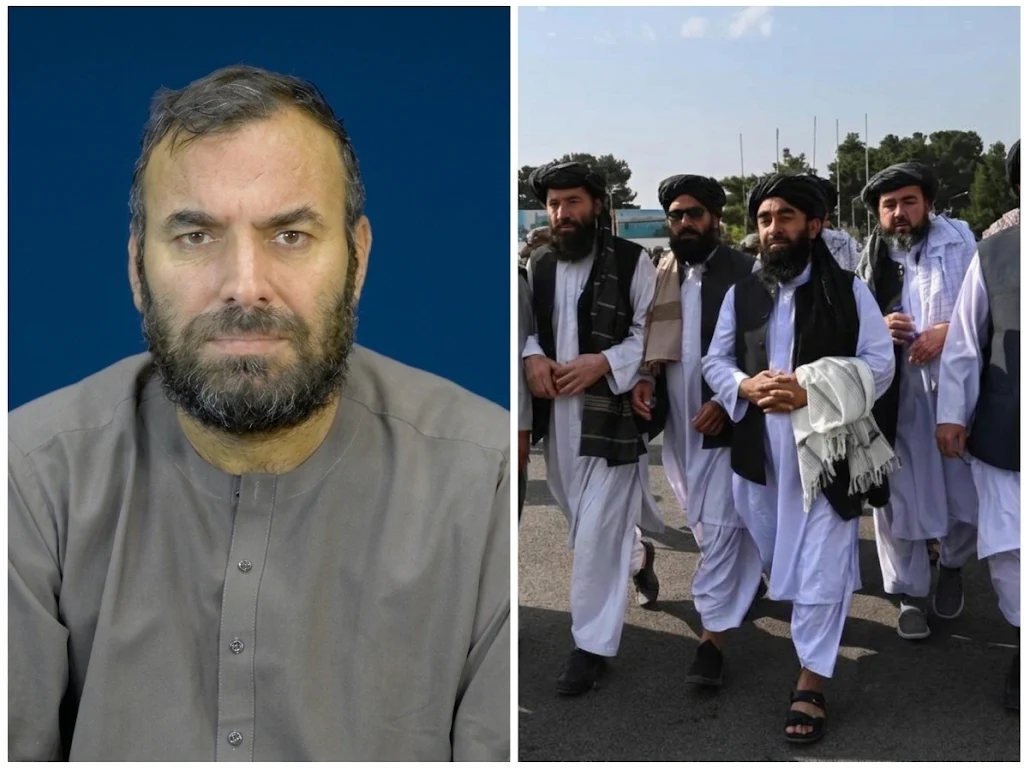
However, the fact that Pakistan’s commitment to Saudi security goes beyond mere diplomatic statements became clear with the appointment of Lieutenant General (retd) Nauman Mahmood as Secretary General of Makkah Defense Agreements’ secretariat in Riyadh, Saudi Capital.
He has been assigned the role of institutional development and planning of the organization, which is a significant forward movement towards joint defense involving three powerful states of the Muslim world. This is a concrete development not just an expression of diplomatic commitment.
Pakistan’s foreign office in its latest statement has made clear that Pakistan’s “commitment to the safety and well-being of our Saudi brothers and sisters remains steadfast,”.
Saudi security is not an isolated foreign policy concern for Pakistan. It is connected to Pakistan’s strategic calculus and partnerships, regional stability and Pakistan’s security interests. The Makkah Defense Agreement has given an institutional substance to Pakistan’s commitment to Saudi security. Pakistan’s latest response to attack on Saudi city reflects established strategic position and not an ad hoc diplomatic commitment.

Your go-to editorial hub for policy perspectives and informed analysis on pressing regional and global issues.