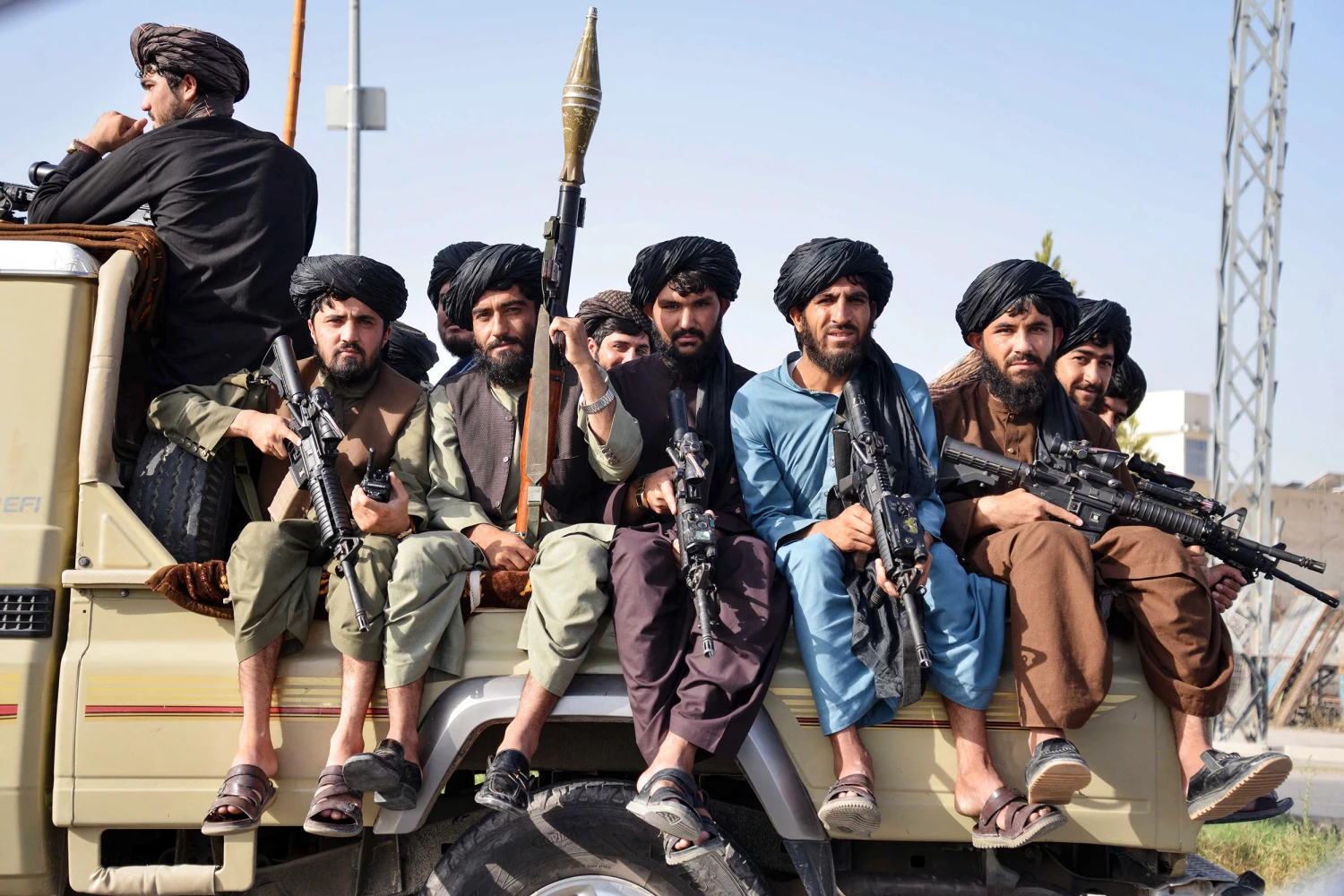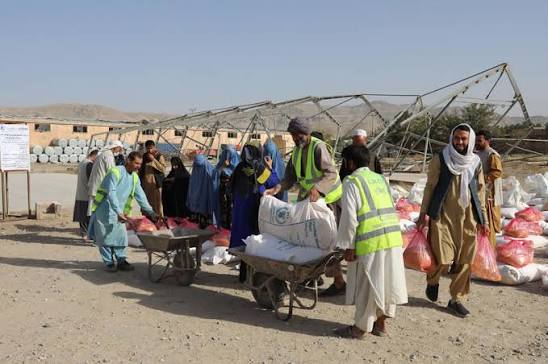
Some 7.6 million Afghans missed out on food assistance that had already been planned for them. That is not merely a footnote in the next donor appeal. It is a symptom of something larger and more complex: dwindling funding, an increasingly isolated economy, fractured regional relations, and rulers in Kabul who continue to place ideology above the welfare of the people they govern.
The math is stark. Humanitarian groups had hoped to reach 11.9 million Afghans with food aid this year. By the end of May, they’d managed only 4.3 million. The gap between those two numbers is the crisis. Zoom out further and it gets worse: the 2026 Humanitarian Needs and Response Plan puts 21.9 million Afghans in need of aid altogether, with agencies hoping to reach 17.5 million of them at a cost of $1.71 billion. The World Food Programme says 17.4 million people need urgent food assistance right now, that 4.9 million women and children require treatment for malnutrition, and that it needs $350 million just to keep the lights on through October.
Donors have to step up here, no child chooses the government running their country. But calling this purely a funding problem lets Kabul off too easily. The Taliban’s own political and security choices have starved Afghanistan’s economy of the very lifelines it depends on. You can’t hold the reins of government and refuse the responsibilities that come with them. Not indefinitely, anyway.
Kabul has burned through goodwill with the one neighbour it can’t afford to lose
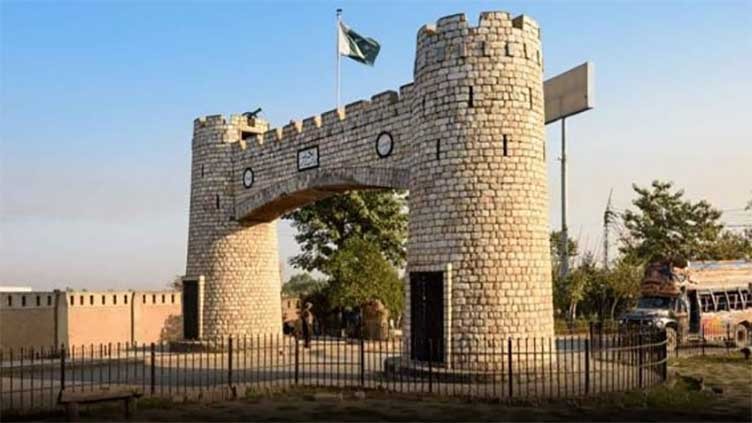
Pakistan’s role here is hard to overstate. It has taken in Afghan refugees for four decades running, UNHCR counted more than 2.8 million still there at the end of 2025. That relationship hasn’t always been smooth; there have been border disputes, trade fights, plenty of legitimate criticism of Islamabad’s own past decisions. Fair enough. But none of that erases what Pakistan has actually absorbed: generations of Afghan kids educated in its schools, patients treated in its hospitals, families who built businesses and found safety within its borders.
Trade matters just as much. Pakistan’s foreign ministry calls itself Afghanistan’s single biggest transit and trade partner, and the crossings at Torkham, Chaman and Ghulam Khan are the arteries connecting Afghan commerce to Karachi, Port Qasim and Gwadar. For a landlocked country already struggling to feed itself, that’s not a diplomatic courtesy, it determines what wheat, cooking oil, medicine and aid shipments cost, and whether they arrive at all. WFP has said as much: border disruptions choke supply routes, push up costs, and squeeze markets that are already stretched thin.
And yet Kabul and Islamabad’s relationship has fallen apart at exactly the point where the Tehreek-e-Taliban Pakistan sits.
What the numbers actually say
TTP violence exploded almost the moment the Afghan Taliban took Kabul in August 2021. The best independent record of this comes from the Global Terrorism Index, built on Terrorism Tracker data rather than whatever inflated body counts the TTP puts out about itself. In 2022 the index attributed 90 attacks and 137 deaths to the group.
The next year, roughly 210 attacks and 290 deaths. By 2024, about 482 attacks and 558 deaths. And in 2025, the worst year yet, 595 attacks and 637 deaths, every one of them inside Pakistan, mostly in Khyber Pakhtunkhwa near the Afghan border. That’s 56 percent of the country’s entire terrorism death toll for the year, from one group.
Add it up across 2022 through 2025 and you get roughly 1,376 attacks and around 1,620 deaths. Attacks up more than 560 percent. Deaths up about 365 percent. Whatever else is in dispute, that trajectory isn’t.
The August 2 bombing near the Kabal police station in Swat made the abstraction real. A suicide bomber hit a rally where residents had gathered to protest militancy in their own town, killing 17 people, seven police officers, ten civilians and wounding 34 more. The TTP claimed it. This wasn’t two governments squabbling over a communiqué. It was another attack on ordinary Pakistani families and the police who serve them, on top of a campaign that’s been grinding on for years.
Kabul’s denials don’t hold up anymore
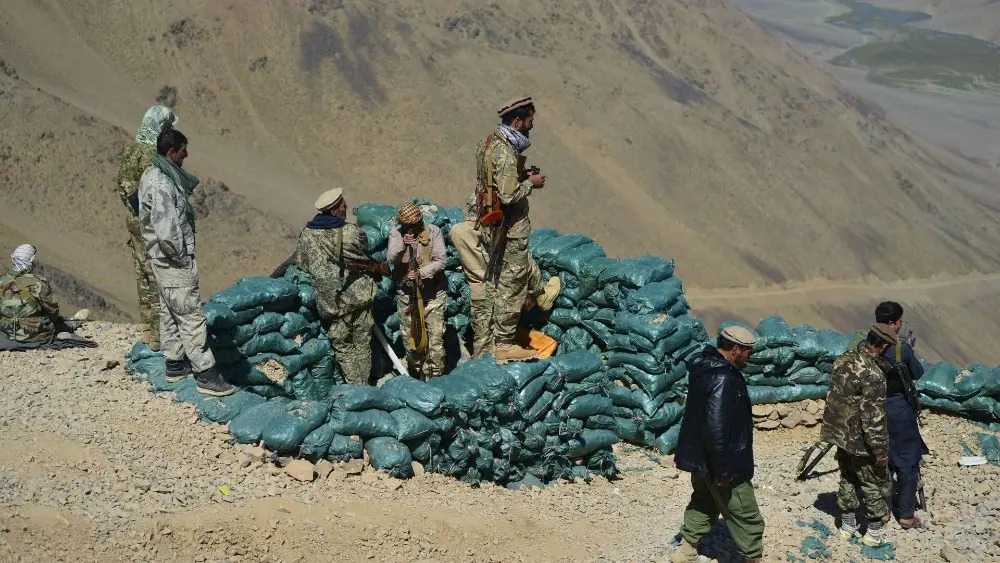
Pakistan has said for years that Kabul shelters TTP leadership. Kabul denies it, framing the whole thing as Pakistan’s internal mess to clean up. That line is getting harder to sustain. The Global Terrorism Index’s own 2026 report says the Taliban’s takeover gave the TTP more room to operate and expanded its reach. UN monitors have gone further still, putting TTP strength at 6,000 to 6,500 fighters and describing a pattern of Taliban acquiescence and sometimes outright support.
None of this means Kabul is personally ordering every bombing in Khyber Pakhtunkhwa. And Pakistan still has homework for its own better policing, better border management, and a coherent counter-extremism strategy. But when an armed group headquartered on your neighbour’s soil keeps killing your citizens, that’s not a domestic issue anymore. It’s regional. The Taliban wants to be treated like a legitimate government while refusing any accountability for the networks operating under its nose. It can’t have both.
The choice Kabul keeps avoiding
Here’s the real question: does Kabul want to run a state, or does it want to protect its old friends? The Afghan Taliban and the TTP aren’t the same organization, but the ties run deep ideological, personal, forged during the insurgency years when the TTP had the Afghan Taliban’s back. That history probably explains the reluctance to move against them now. It doesn’t excuse it. A government exists to serve its people, and Afghanistan’s people need peaceful borders, working trade routes, and a shot at investment not a militant ally whose attacks keep torching relations with Pakistan.
What would real action look like? Dismantling TTP training camps and networks. Detaining commanders instead of relocating them. Prosecuting suspects properly, or handing them to Pakistan through some agreed process that respects due process. Cutting off the financing, recruitment pipelines and weapons transfers that keep the group functioning. Moving fighters to a different province doesn’t count if they’re still armed and still calling the shots from there.
Both countries would benefit from a standing counterterrorism commission, military intelligence, police, diplomats, all in the room to trade intelligence on known commanders, verify facilities, investigate specific attacks, and actually track whether anything’s improving. Trust between the two capitals is basically nonexistent at this point, so a neutral third party might help verify whatever gets agreed. But no outside mediator fixes this if Kabul isn’t willing. Promises haven’t worked. Pakistan wants results it can measure.
What cooperation could unlock
None of this solves Afghanistan’s hunger crisis by itself, drought, poverty, forced returns and shrinking aid budgets are doing plenty of damage on their own, and food aid shouldn’t be held hostage to political demands regardless. But a calmer border would remove a real obstacle to trade and to aid reaching people. Fewer delays, lower transport costs. Protected corridors for wheat and medicine that keep moving even when politics sour. Customs procedures that don’t leave perishable Afghan exports rotting at a closed crossing. Pakistan could widen port access for Afghan goods; Afghanistan could guarantee safe passage for the traders and officials who cross regularly. There’s room too for joint work on grain storage, food processing, livestock, the kind of infrastructure that gets Afghan farmers selling into one of the region’s biggest markets instead of waiting on the next emergency shipment. And frankly, a Kabul that’s visibly cracking down on the TTP gives Pakistan a much stronger hand when it argues Afghanistan’s case internationally.
Pakistan shouldn’t punish civilians for the TTP’s sins
Shutting down TTP sanctuaries is mainly Kabul’s job, since it’s Kabul’s territory. But Pakistan has its own line to hold: refugees, labourers, traders, kids in school, they’re not the TTP, and treating them like an extension of the group is both wrong and counterproductive. Sudden deportations, blanket border shutdowns, trade suspensions that drag on for months, all of that deepens Afghan poverty and, ironically, feeds the instability Pakistan is trying to choke off.
Humanitarian shipments should keep moving even when the border closes for other reasons, wherever security allows it. Returns should happen with some dignity and in coordination with aid agencies, not as a shove out the door. Documented traders, students and patients deserve visa and border processes that actually make sense. Pakistan’s security worries are legitimate but punishing an entire population isn’t security policy, it’s just going to backfire. Four decades of hosting refugees ought to be something Pakistan can build regional credibility on, not something the Taliban’s current behaviour quietly erases.
Donors don’t get a pass either
None of the above excuses the rest of the world from writing the checks. The 7.6 million Afghans who missed out on food this year didn’t have a vote on TTP strategy or border politics. Donors need to fund the UN and credible aid groups now, with real audits and independent monitoring so the money doesn’t vanish along the way. And emergency funding should come paired with things that actually reduce the need for it next year: drought-resistant crops, irrigation, cash-for-work, livestock support. Aid keeps people alive today. Only functioning governance and a working economy get them off the list permanently.
Power comes with a bill attached
Afghanistan’s hunger crisis isn’t some unavoidable act of nature, it’s what happens when funding shortfalls, drought, a broken economy, blocked trade and bad governance all hit at once. Donors need to pay up. Pakistan needs to keep its doors open for aid and treat Afghan civilians like people, not suspects. The region needs to choose stability over point-scoring.
But the decision that matters most belongs to Kabul. Roughly 1,376 attacks, around 1,620 deaths between 2022 and 2025 alone, and more blood already spilled in 2026 that should settle any argument about the stakes. No country can be expected to open up trade with a neighbour whose territory keeps producing attacks on its police and its people.
Going after the TTP won’t fix everything wrong with Afghanistan. But it would start rebuilding trust with Pakistan, keep trade routes open, and prove Kabul can act like an actual government instead of an armed movement squatting in the presidential palace. If the Taliban genuinely want to run this country, they need to choose Afghan families over old militant loyalties. For the millions who don’t know where their next meal is coming from, that’s stopped being a diplomatic question. It’s survival.

Mansoor Qaisar
Mansoor Qaisar is a communications specialist and freelance writer based in Islamabad. He serves as Communications Specialist at the Pakistan Institute of Development Economics (PIDE), where he leads media outreach and strategic communications for the Institute's research and policy initiatives. With more than two decades of experience across research institutions, international development organisations and the media, he has worked extensively on public policy, governance, health communication and advocacy. A recipient of the Bill & Melinda Gates Institute's 120 Under 40: The New Generation of Family Planning Leaders recognition, he is also a regular contributor to national publications, including Dawn, The News International, Business Recorder, Daily Times and Naya Daur TV. His writing focuses on foreign and public policy, governance, economic development, and the social issues shaping Pakistan and the wider region. He can be reached at mansoor.qaisar@gmail.com.