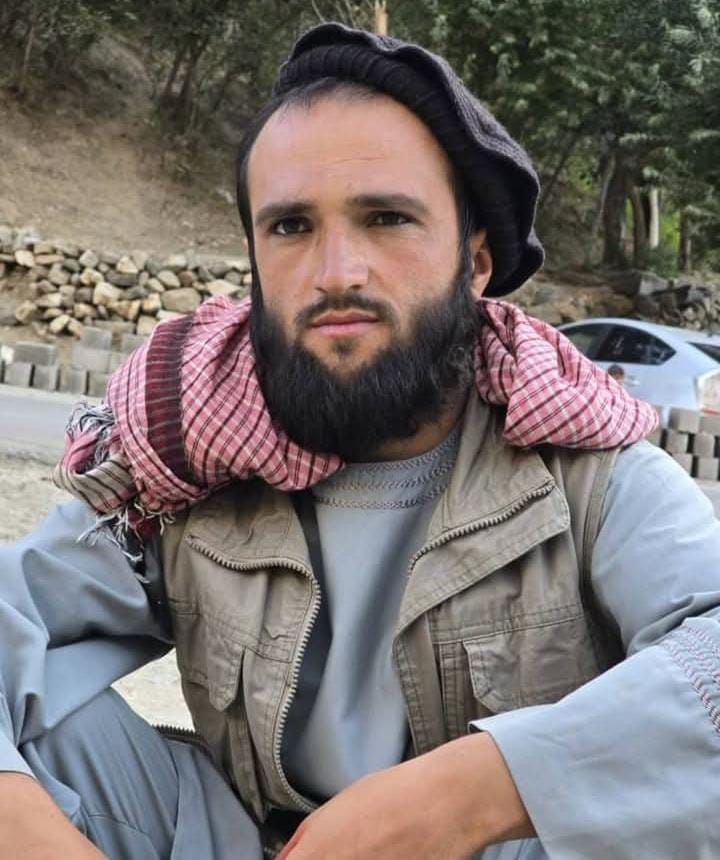
A Taliban commander, identified as Faridullah Wahdat, was killed overnight in clashes with anti-Taliban fighters in the Zebak district of Afghanistan’s northeastern Badakhshan province, according to Taliban sources. The same sources said several members of the opposing armed group were also killed during the fighting, though exact casualty figures have not been independently confirmed.
According to local reports, fighters attacked Taliban positions near the Afghanistan-Pakistan frontier, briefly seizing elevated terrain overlooking a border outpost before Wahdat was killed in the fighting. At least two other local Taliban commanders are also reported to have died, though casualty figures remain disputed between the Afghanistan Freedom Front (AFF), which claimed involvement in the operation, and Taliban authorities.
Wahdat’s death carries operational weight beyond a single casualty. Border commanders coordinate patrols, monitor cross-border movement, and oversee frontier defenses, meaning the killing reflects anti-Taliban groups’ growing ability to strike directly at Taliban command structures during sustained operations rather than isolated ambushes.
The clash adds to a pattern of escalating instability in Badakhshan, a mountainous province bordering Tajikistan, China, and Pakistan that has become one of the most volatile regions in the country. Recent fighting in the district erupted in the Tupkhana area near the Pakistan border, with anti-Taliban fighters attacking Taliban positions there.
The incident follows a string of similar confrontations in Badakhshan in recent weeks. The clashes come just days after the newly formed Sepahiyan-e Mihan, or Patriotic Soldiers Front, briefly seized the district center of Yaftali Sufla, temporarily capturing the district governor’s office, police headquarters, and the Taliban intelligence office before withdrawing hours later, having raised its flag over the administration building during the operation.
That earlier incident marked a rare, if brief, loss of territorial control by the Taliban since it returned to power in 2021. A spokesperson for the Taliban police command in Badakhshan described the attackers as “irresponsible individuals” who fled once Taliban reinforcements arrived.
Badakhshan has seen a mix of threats to Taliban authority in recent months, including sporadic attacks by anti-Taliban groups, internal disputes between rival commanders, and conflicts over control of mines and other revenue sources.
Groups such as the National Resistance Front and the Afghanistan Freedom Front continue to claim intermittent guerrilla attacks against Taliban forces across the country, though the Taliban maintains no organized armed opposition poses a serious threat to its rule.
While the incident is unlikely to alter the broader balance of power or the Taliban’s national authority, it illustrates the gap between political consolidation in Kabul and uncontested security along Afghanistan’s remote frontier — a gap that continues to fuel instability in the northeast with implications reaching beyond Afghanistan’s borders.

Your go-to editorial hub for policy perspectives and informed analysis on pressing regional and global issues.