![COP29 in Baku faces delays and controversy over climate issues. With key absences and trade disputes, will the summit deliver on urgent climate action? [Image via Reuters]](https://southasiatimes.org/wp-content/uploads/2024/11/2024-11-11T113639Z_1793422631_RC2Z2BAHJ670_RTRMADP_3_CLIMATE-COP29-VENUE-1024x683-1.webp)
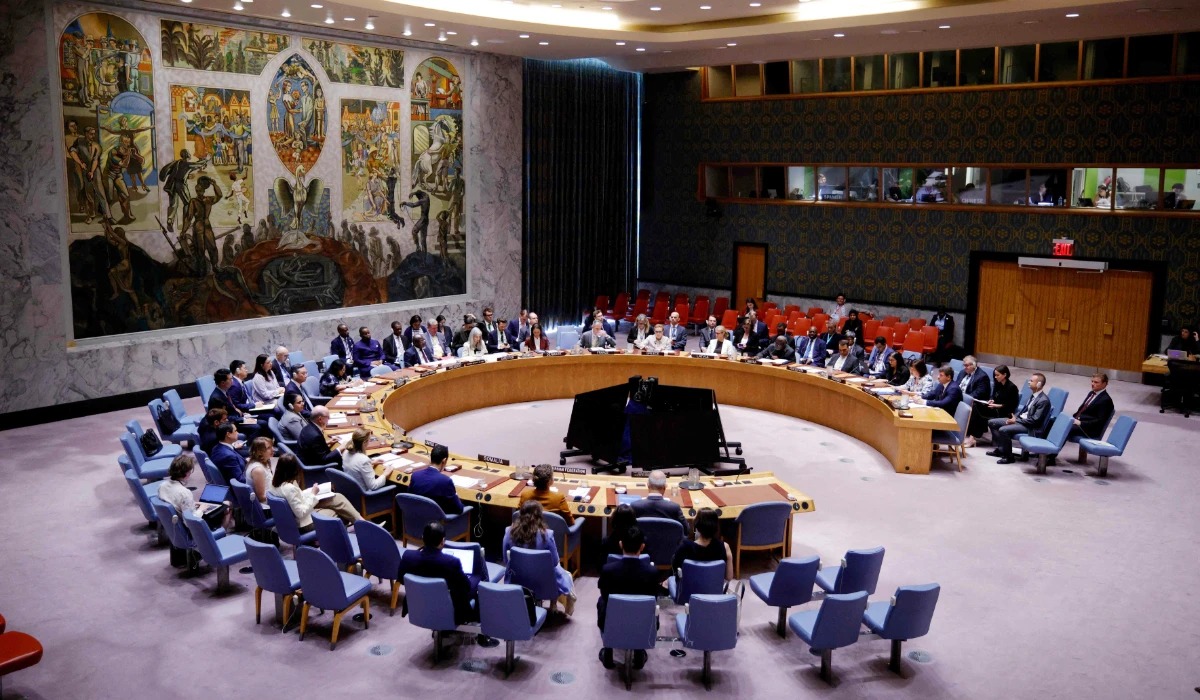
COP29 kicked off in Baku under a cloud of controversy, with the summit’s start delayed due to disagreements over key agenda items. The delay was not just a scheduling hiccup—it highlighted deep divisions within the international community over issues like Europe’s carbon border tax and climate financing, setting a tense tone for the talks.
For the second consecutive year, an oil-producing nation is hosting the presidency. With pressing issues on the table—including long-term global temperature targets and support for vulnerable nations—the summit is a crossroads for collective climate action. Under the 2015 Paris Agreement, countries pledged to limit warming to 1.5°C, necessitating greater efforts to reduce greenhouse gas emissions. The COP29 in Baku will also aim to build on past agreements, including the COP27 decision to fund climate-driven disaster recovery in poorer nations. Yet, this year’s summit is clouded by key absences, geopolitical conflicts, and trade disputes that threaten to overshadow its urgent mission.
Moreover, Azerbaijan’s selection as host country for COP29 adds more to the controversy. With its heavy reliance on fossil fuels, limited climate progress, and troubling human rights record, the nation has faced widespread criticism. President Ilham Aliyev, who succeeded his father, has been accused of political repression and wealth accumulation, making the backdrop of COP29 all the more contentious.
The Absence of Key Climate Leaders: A Major Setback
One of the most notable challenges facing COP29 is the absence of leaders from the world’s largest greenhouse gas emitters, including the United States, China, and India. The recent U.S. election of Donald Trump signals a potential retreat from climate leadership; during his first term, Trump dismantled key environmental protections and withdrew the U.S. from the Paris Climate Agreement, a global pact by 195 nations to address climate change. His new plans to roll back electric vehicle targets and expand fossil fuel production, including drilling in the Arctic, foreshadow further challenges for global climate cooperation. This shift is particularly concerning for developing nations that rely on global climate commitments to mitigate their climate vulnerabilities.
Another controversy surrounding the summit is President Ilham Aliyev of Azerbaijan’s jab at France, accusing it of colonial abuses. In response, France’s Ecology Minister cancelled her trip to COP29 in Baku, highlighting how political rifts can undermine climate diplomacy. Meanwhile, Argentina’s delegation was ordered home by President Javier Milei, who dismissed climate change as a “socialist lie.” These diplomatic confrontations threaten to derail COP29’s focus, illustrating how easily geopolitical conflicts can overshadow urgent climate goals.
Also See: Climate Cash Flow: Will COP29 Deliver for a Future on Fire
South Asia’s Vulnerability: A Call for Climate Justice
Developing countries, especially those in South Asia, are on the frontlines of climate-induced disasters yet contribute minimally to global emissions. South Asia, home to nearly two billion people, of whom over 750 million have suffered the impact of climate-related disasters over the last two decades, as per World Bank estimates. In this region, home to Bangladesh, the Maldives, Sri Lanka, and others, climate change threatens to uproot entire communities and decimate local economies.
Bangladesh, already prone to devastating cyclones, sees its coastal communities under siege. The Maldives, an archipelago where land comprises just one-percent of its area, could face existential threats if sea levels rise as predicted. For the 65 million people living in such fragile conditions, the impacts of climate change are not a distant threat but a daily reality. Sri Lanka, meanwhile, has been consistently ranked among the top ten countries at risk from extreme weather events by the Global Climate Risk Index. India and Afghanistan are also witnessing rising temperatures and more frequent and intense droughts resulting in crop yield declines and failures.
Pakistan’s Prime Minister Shehbaz Sharif provided a potent reminder of this disparity, citing the 2022 monsoon floods that devastated Pakistan, causing widespread loss and $30 billion in economic damage. Calling for climate finance to be grant-based rather than debt-inducing, he emphasized that vulnerable nations should not be saddled with additional burdens as they confront escalating climate impacts. His appeal highlights the disconnect between those most affected by climate change and the financial pledges that remain largely unfulfilled.
Muhammad Yunus, interim leader of Bangladesh, also voiced a powerful critique of the “limitless consumption” that underpins much of the world economy. His plea captured the core challenge: the lifestyles of the wealthy continue to ravage the environment, while poorer nations are left to pick up the pieces. “Why should there be a negotiation?” Yunus asked, decrying the indignity of poorer nations “begging” for aid to address the damage they did not cause.
Trade Disputes and Climate Action: The CBAM Controversy
Trade disputes also mar the summit’s progress, notably the controversy over Europe’s Carbon Border Adjustment Mechanism (CBAM). BASIC countries that include Brazil, South Africa, India, and China view CBAM as an inequitable “green trade barrier” that penalizes developing nations for their industrial practices. The European Union argues it is essential to level the playing field, but critics contend it stymies developing economies, particularly as these nations work to implement their own climate policies. The opposition of BASIC countries illustrates the complex balancing act between climate action and economic justice, a recurring challenge for COP summits. Without a fair mechanism to support sustainable industrial development in emerging economies, such trade restrictions risk hindering climate cooperation.
COP29 in Baku stands at a critical juncture, with the potential to either reinforce or undermine global climate commitments. As world leaders grapple with diverging agendas, the global community is reminded that the cost of inaction—whether through floods in South Asia or wildfires in Europe—will continue to mount. For all nations, particularly those vulnerable to climate change, the stakes at COP29 are not only political but existential.

Your go-to editorial hub for policy perspectives and informed analysis on pressing regional and global issues.