Nestled in the embrace of the majestic Caucasus Mountains, where the winds whisper tales of ancient civilizations and the valleys echo with the footsteps of conquerors, Azerbaijan prepares to inscribe another chapter in its storied legacy.
Today, as the nation embarks on a journey that merges the echoes of its past with the aspirations of its future—a journey marked by resilience, determination, and the indomitable spirit of its people. Against this backdrop of timeless topography and rich history, Azerbaijan’s historic election unfolds, casting a spotlight on a nation poised at the nexus of tradition and modernity, where the contours of the land bear witness to the trials and triumphs of generations past.
Today, on February 7th, Azerbaijan finds itself at a crossroads of history. This day marks not just the commencement of a routine presidential election but a poignant chapter in Azerbaijan’s narrative—a tale entwined with threads of triumph, resilience, and geopolitical complexities.
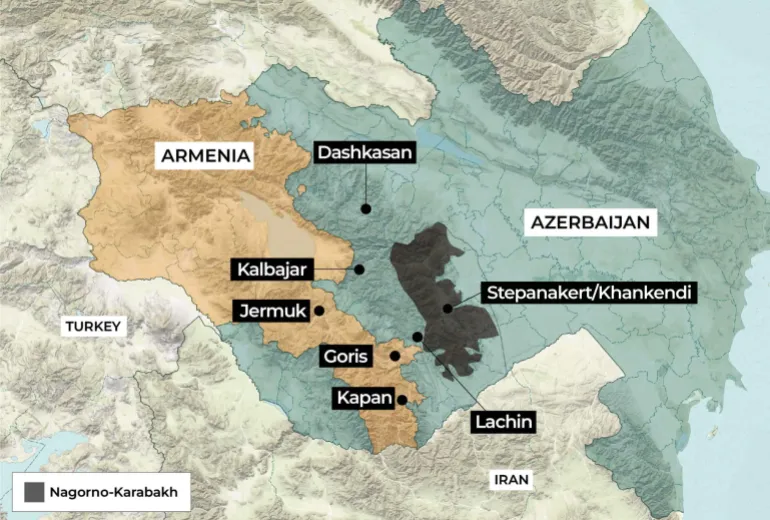
For more than three decades, swathes of Azerbaijani territory lay ensnared by Armenian occupation—a somber reality that tested the spirit of a resilient nation.
However, the tides of history turned decisively in September 2023, when Azerbaijan emerged victorious, reclaiming its territories and reaffirming its sovereignty. This historic triumph, borne from strategic foresight and firm determination, heralded the dawn of a new era—an era that demands to be inaugurated with the democratic expression of national will.
Yet, amid Azerbaijan’s jubilant celebration of newfound freedom, dissenting voices resonate from certain quarters of the international arena. Some nations and organizations seem hesitant to acknowledge Azerbaijan’s strides, casting shadows of skepticism and doubt. What underpins this reluctance? Are these voices fueled by genuine concerns or veiled agendas cloaked in diplomatic rhetoric? Azerbaijan’s quest for international recognition has been a journey fraught with obstacles, demanding deft diplomacy and steadfast resolve to counter the narrative of doubters.
As Azerbaijan embarks on its electoral journey, the likelihood of President Ilham Aliyev’s re-election looms large, bolstered by a legacy of tangible accomplishments and a forward-looking vision. Under President Aliyev’s stewardship, Azerbaijan has witnessed remarkable socio-economic progress—a testament to prudent governance and strategic planning.

From a staggering increase in GDP, soaring from $7.3 billion to an impressive $78.7 billion between 2003 and 2022, to a commendable reduction in poverty levels from 44.7% to a mere 5.5%, President Aliyev’s leadership has yielded tangible benefits for the Azerbaijani populace.
Moreover, Azerbaijan’s international stature has flourished under President Aliyev’s adept diplomacy and visionary leadership. The nation’s successful hosting of prestigious events such as Formula 1 races, the Islamic Solidarity Games, and COP-29 showcases Azerbaijan’s growing global relevance and influence. President Aliyev’s strategic maneuvering has also secured Azerbaijan pivotal positions in esteemed international forums, including a non-permanent seat on the UN Security Council and chairmanship of the Non-Aligned Movement.
Also Read: Pakistan Election Dilemma
However, amidst the context of Azerbaijan’s successes lies the complex interplay of geopolitics, where national aspirations intersect with global dynamics. What is more interesting is the timing of these snap elections set against a backdrop of regional uncertainty.
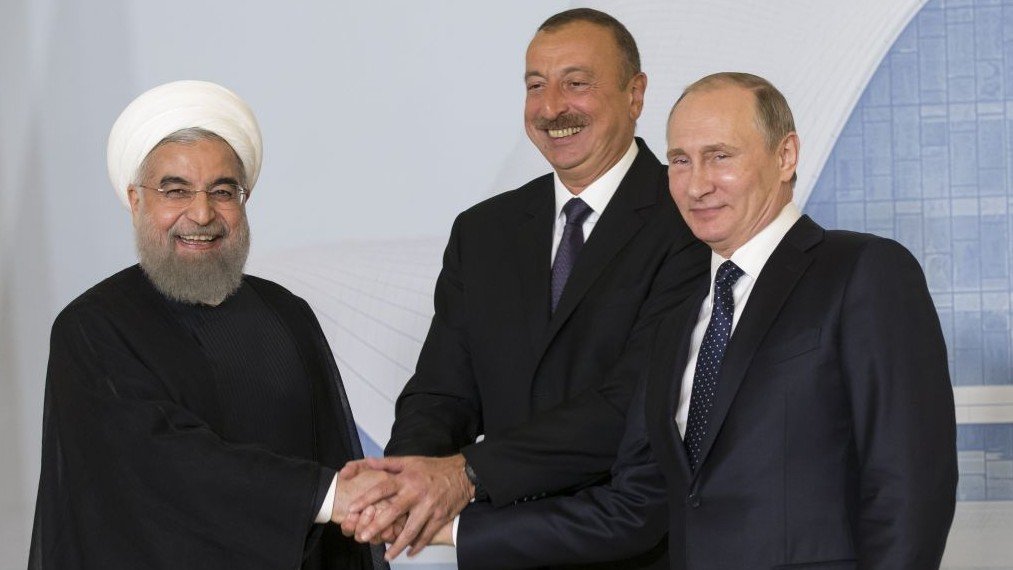
In addition, with the impending conclusion of Russia’s peacekeeping mission, and the military operations in the Nagorno-Karabakh region in September 2023 as a backdrop, Azerbaijan finds itself routing a complex geopolitical terrain.
As Azerbaijan exercises its democratic prerogative, the significance of today’s election reverberates beyond national borders. It signifies a reaffirmation of Azerbaijan’s commitment to democratic principles, freedom, and self-determination. Whether President Aliyev secures re-election or a new leader emerges, one truth remains unassailable—Azerbaijan’s journey is far from over. It’s a nation poised on the cusp of history, ready to chart its course amidst the uncertainties of geopolitics and the complexities of global diplomacy. And, as the ballots are cast and the votes tallied, Azerbaijan’s story of triumph, challenges, and resilience continues to captivate the world, shaping the course of history in the Caucasus and beyond.

Your go-to editorial hub for policy perspectives and informed analysis on pressing regional and global issues.