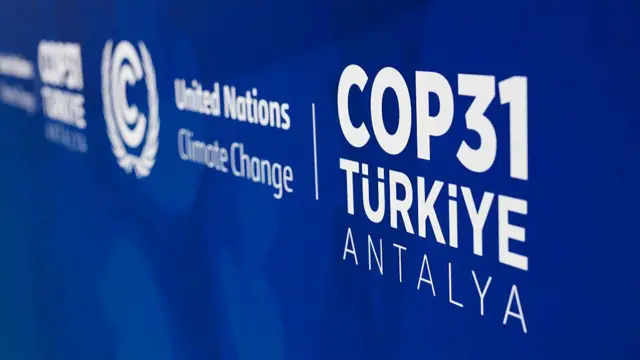
From November 9 to 20, negotiators meet in Antalya for COP31 with a fresh promise in hand. At COP30 in Belem, 195 parties agreed to triple adaptation finance by 2035 and adopted 59 indicators to track the Global Goal on Adaptation. It was the strongest adaptation language the process has produced.
It will not build a single embankment. The distance between a pledge and a project is where adaptation now lives, and South Asia should spend Antalya closing it.
Start with the arithmetic. UNEP’s Adaptation Gap Report 2025 puts developing-country adaptation needs at $310 to $365 billion a year by 2035. Actual international public adaptation flows were $26 billion in 2023 – and falling, down from $28 billion the year before. Needs run twelve to fourteen times the money. Tripling the promise changes the numerator’s ambition. It does not change the machinery that turns money into raised roads, drains and early-warning systems.
That machinery has a bottleneck nobody negotiates: the pipeline. Finance cannot fund a communique. It can only fund costed, appraised, procurement-ready projects, in sequence, with someone accountable for each one. Every COP ends with a finance number and begins a quiet scramble for projects that exist only as paragraphs in national plans. Money waits. Seasons do not.
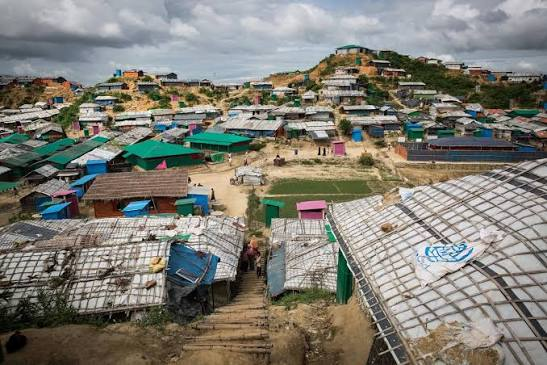
South Asia knows the cost of waiting. Pakistan’s 2022 floods caused more than $30 billion in damage, with reconstruction needs above $16 billion assessed after the water receded. A pipeline built after a disaster is called a recovery appeal, and it is always slower and dearer than the one built before.
October offered a live test of that machinery. After the August 26 Bhote Koshi flash floods, the Fund for Responding to Loss and Damage provisionally set aside $21.6 million for Nepal, about a month after Kathmandu filed its request.
Read More: Bhotekoshi Devastation: Mega Dam is the Sole Option
A government-led assessment puts recovery and reconstruction needs at about $4.7 billion. An allocation is not the same as a payment. How fast set-aside money becomes spent money is the first real scoreboard for the promises Antalya will repeat.
The region also holds the counterexample. Bangladesh’s National Adaptation Plan names 113 interventions, costed at roughly $230 billion over 27 years, sequenced across eight sectors and tied to the Delta Plan’s project list. That document is unfunded – it needs about $8.5 billion a year, seven times current spending – but it is the thing funders keep saying they want: a pipeline, not a plea. When a finance ministry in Antalya asks where the money would go, Dhaka can answer by line item.
Three moves would let the rest of the region do the same. First, convert national adaptation plans into investment pipelines: every intervention costed, sequenced and assigned an implementing agency, down to the district level where floods and heat actually land. Second, treat project preparation as adaptation spending, not overhead. Feasibility studies and appraisals are the first-loss money that unlocks everything after it, and the multilateral development banks reformed at Belem should staff preparation facilities in the region accordingly. Third, publish the pipelines. COP30 created a Global Climate Finance Accountability Framework; it can only count what it can see. A public pipeline is a claim on the new tripling commitment that a speech is not.
Funders have homework too. The measure of COP31 should not be the adjectives around its finance goal but its throughput: how many adaptation projects reached appraisal, how many preparation facilities got capital, how fast money moved from pledge to procurement. Donors who fund pipelines will find the absorption capacity they say is missing. Donors who fund announcements will keep finding none.
The Baku Adaptation Roadmap runs through 2028. The indicators adopted in Belem will be reported against for years. Both give South Asia something rare in climate diplomacy: a scoreboard it can write on first. The countries that arrive in Antalya with costed, published pipelines will set the terms. The ones that arrive with communique language will spend another year asking where the money is.
Belem tripled the promise. Antalya is where South Asia can triple the pressure – by bringing the one thing money cannot refuse: projects that are ready.

Jackie Omotalade
Jackie Omotalade is a Chief Programs & Impact Officer at a global nonprofit, where she works on artificial intelligence and climate programs. She advises executives and boards on climate finance, responsible supply chains and technology policy, and has moderated a main-stage panel at Greentech Festival Berlin.