
Pakistan, India and the Indus Waters Treaty: Compliance, Silence and Accountability

India’s failure to provide operational data for Baglihar and Kishanganga hydro projects underscores a persistent pattern of ignoring international obligations. Pakistan’s adherence to PCA directives reinforces its position as a compliance-focused treaty partner, while India’s silence carries both legal and reputational consequences.
Afghanistan as a Regional Terrorism Hub: Cross-Border Infiltration, Spillover, and Rising Threats
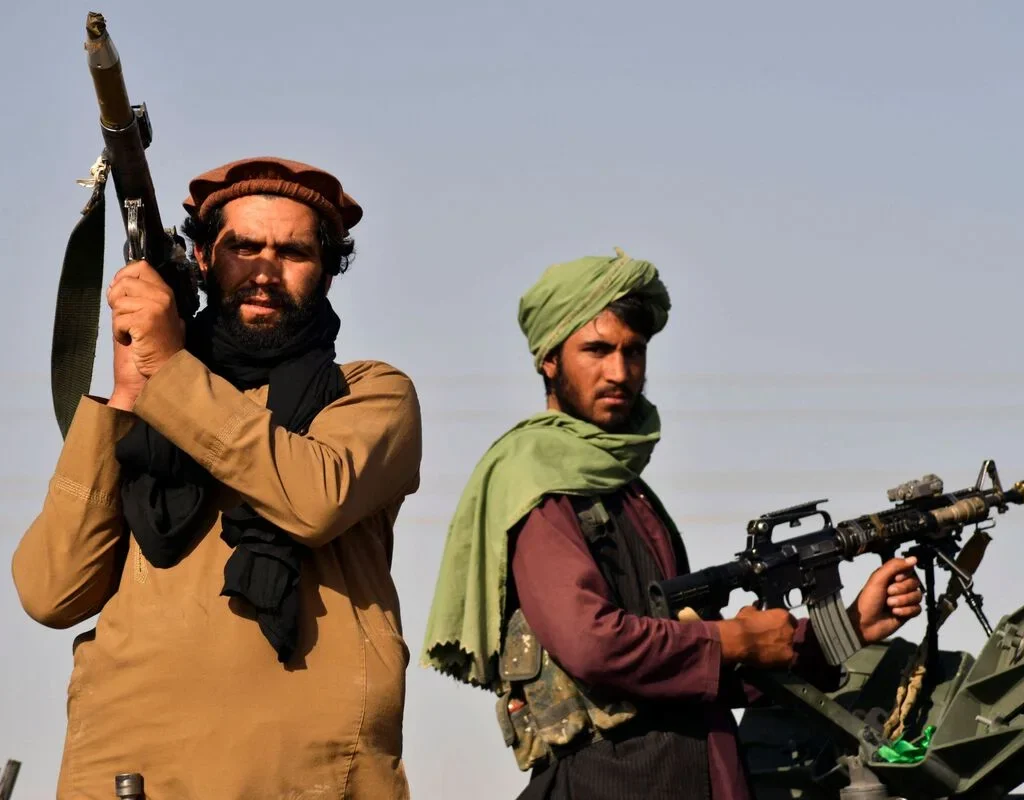
Repeated cross-border attacks, systematic militant infiltration, organized criminal networks and ideological export from Afghanistan underscore how Taliban rule has transformed the country into a regional epicenter of terrorism, destabilizing neighboring states, threatening regional connectivity, endangering foreign nationals, and posing broader risks to global security.
A Context-Deficient Assessment: Structural Gaps in UNAMA’s Civilian Casualty Reporting
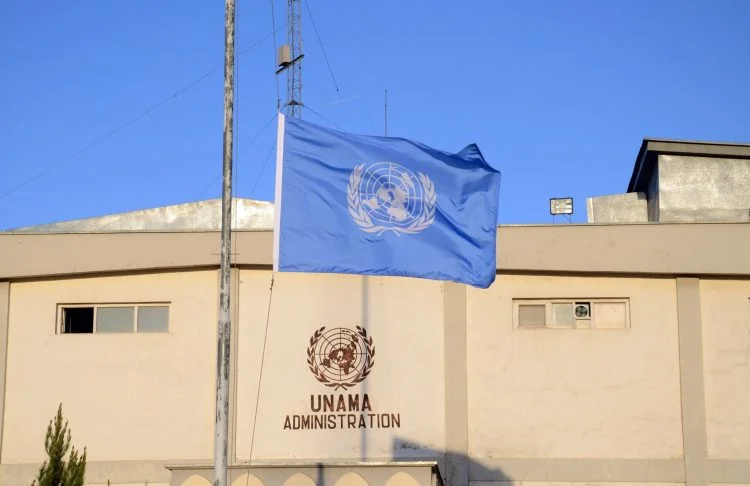
UNAMA’s October–December 2025 report on cross-border civilian casualties presents a narrowly framed humanitarian narrative that isolates consequences from causes, overlooking the entrenched terrorist infrastructure operating from Afghanistan and its direct role in destabilizing Pakistan.
US Backs Pakistan as Violence Escalates in Balochistan
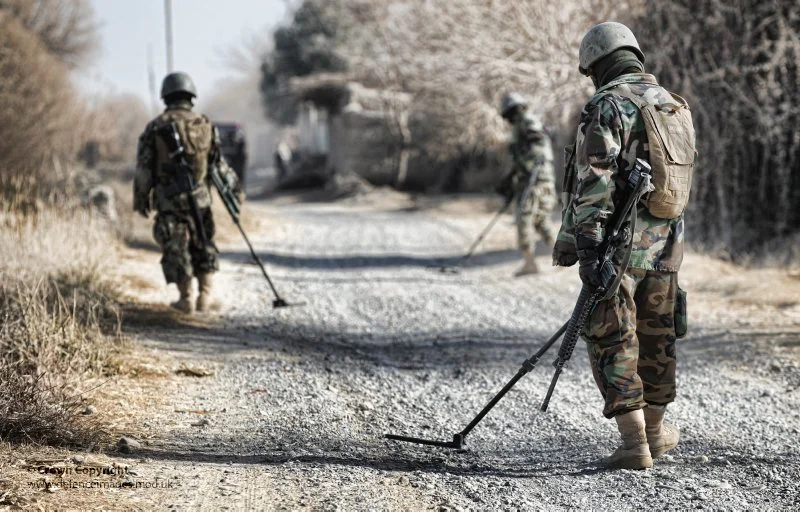
US support for Pakistan following Balochistan violence reframes the conflict as a global counter-terrorism challenge, not a separatist struggle.
The Journey of a WWI Memorial in Islamabad
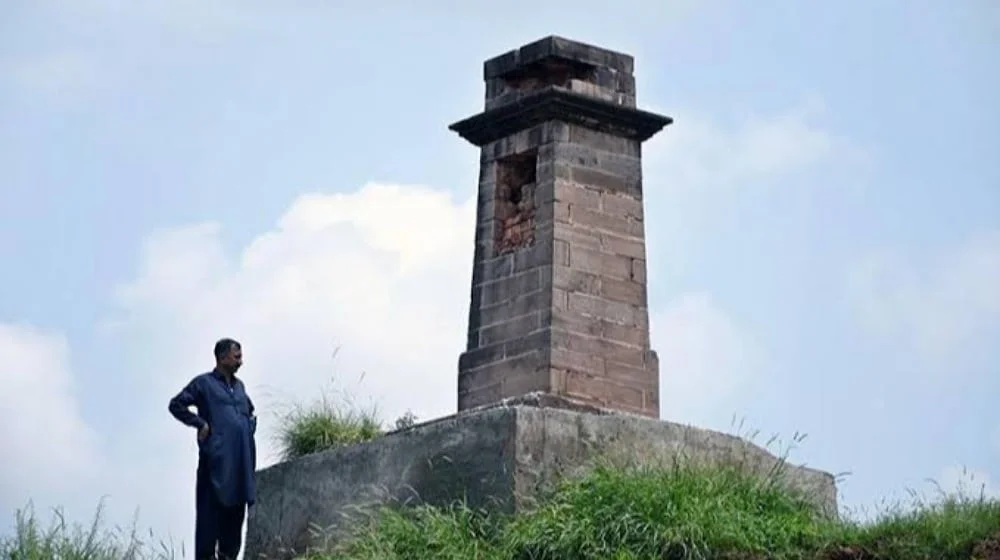
For years, the World War I memorial near Rehara village stood quietly above the surrounding land, a small but enduring reminder of local soldiers who once left these villages for a distant war. This week, its dismantling placed the monument at the centre of a wider public debate, with questions emerging about whether it was […]
Zalmay Khalilzad’s Distortion of Pakistan’s Security Realities
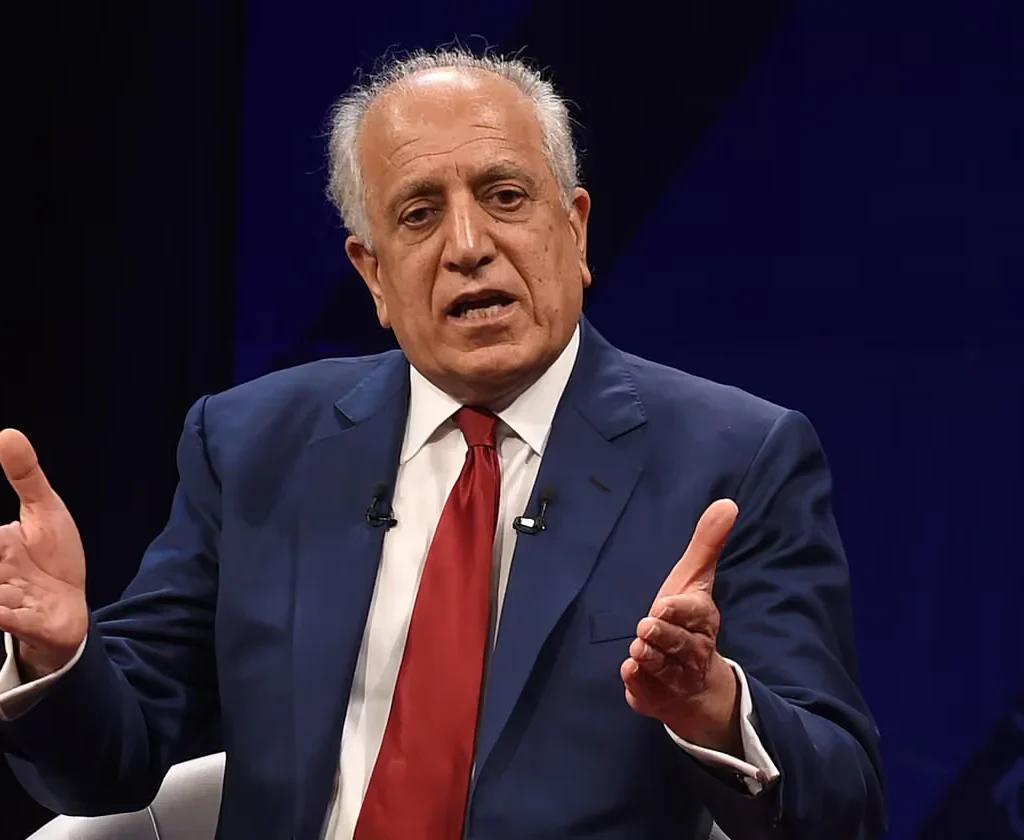
Zalmay Khalilzad’s recent tweets portray Pakistan as collapsing, criticizing counterterrorism operations while ignoring the real drivers of instability in Balochistan: foreign-backed terrorism, criminal networks, and the civilian and security force toll. By conflating state action with militancy, he misrepresents ground realities and obscures the failures of his own Afghan diplomacy. This commentary exposes the gap between his rhetoric and Pakistan’s efforts to maintain law, order, and development under complex security challenges.
The Indo-Israel Nexus and Proxy Insurgency: Challenges to Pakistan’s Stability in Balochistan

Israel and India’s active support for Baloch militias confirms Pakistan’s long-standing concerns about foreign interference. Through proxy insurgency and narrative campaigns, external actors seek to destabilize Balochistan, undermine Pakistan’s internal security, and disrupt regional connectivity.
Balochistan’s Security Challenges, Criminal Networks, and Ground Realities
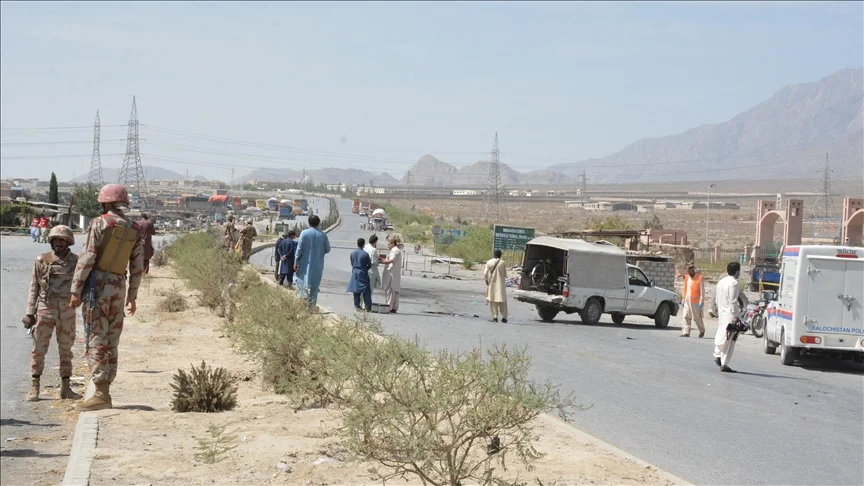
Balochistan’s security challenge is not rooted in deprivation alone but in a long-entrenched nexus of militant outfits, criminal mafias, and foreign-sponsored narrative manipulation. The failure of “Operation Herof II” underscores the disconnect between militant propaganda and ground realities.
Playing the Victim While Undermining the State

The case of Imaan Mazari highlights a troubling pattern where deliberate misrepresentation of Pakistan as an occupying or genocidal state is framed as dissent, while rhetoric that normalizes violence is shielded behind the language of human rights.