
The Silent Architect—Pakistan’s Legacy of Peace
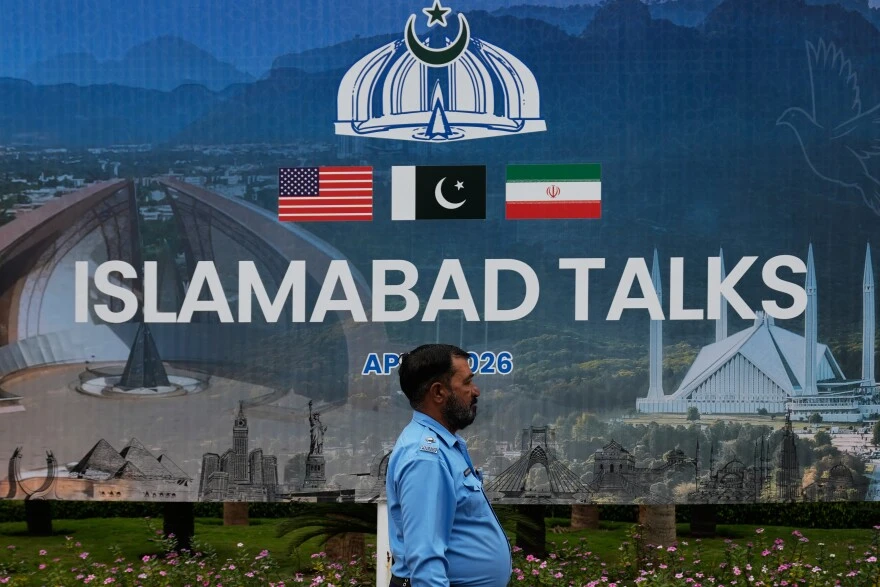
The evolution of Pakistan’s foreign policy from Cold War conduit to contemporary regional mediator, emphasizing its role in facilitating dialogue between antagonistic global powers.
Identity as a Provocation: What the Lenskart Incident Tells Us About Modern India

An analytical post-mortem on the weaponization of corporate identity and the validation of Jinnah’s Two-Nation Theory in the modern Indian retail landscape.
Islamabad Talks 2.0 on the Brink: US–Iran Deadlock Threatens Ceasefire, Global Economy, and Climate Stability
As US–Iran talks in Islamabad hits impasse, a fragile ceasefire nears expiry. Explore the global economic, energy, and climate risks if diplomacy fails.
Hydro-Diplomacy Under Siege: The Legal Fragility of India’s Treaty Abeyance
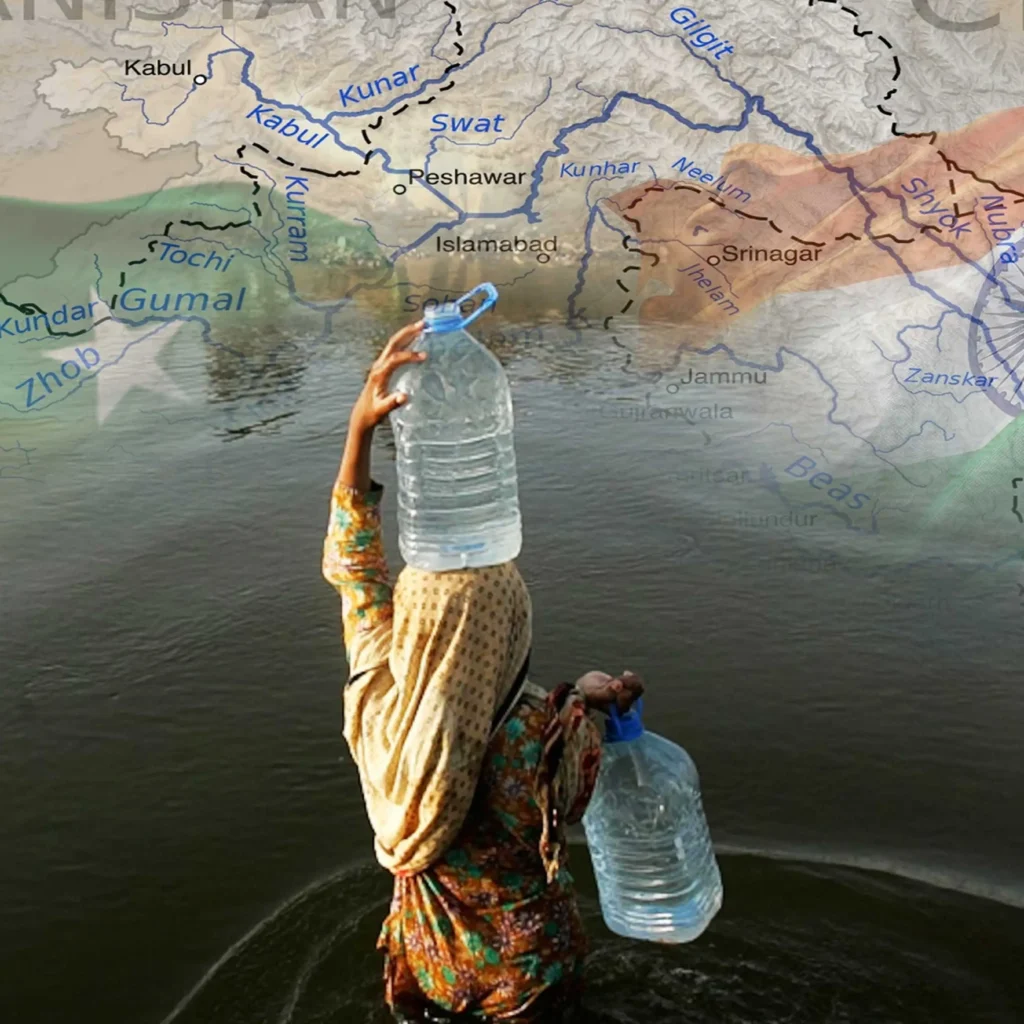
Hydro-Diplomacy Under Siege: The Legal Fragility of India’s Treaty Abeyance The Indus Waters Treaty (IWT) has long been cited as one of the world’s most successful transboundary water agreements, surviving decades of bilateral friction. However, India’s recent move to place the treaty in abeyance—citing the Pahalgam incident as justification—marks a dangerous departure from established international […]
Exposing Amjad Taha: The Truth Behind the Hormuz “Blockade”
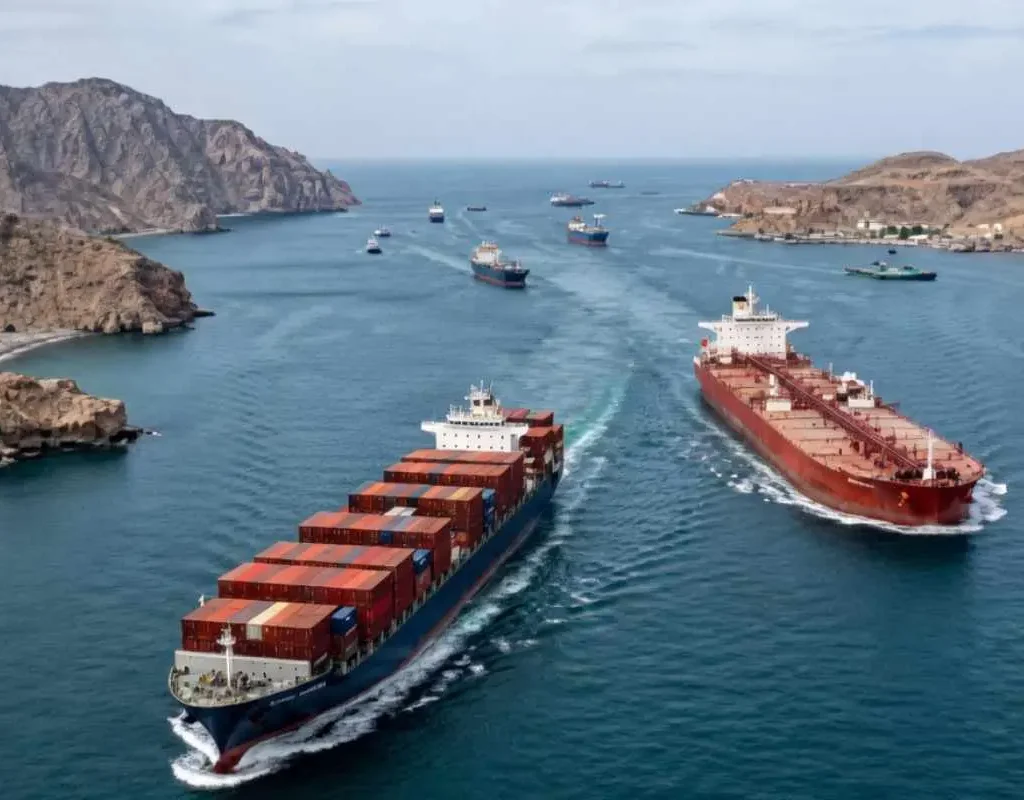
Amjad Taha’s narrative on Indian tanker Sanmar Herald (April 18, 2026) aims to disrupt Pakistan-mediated peace efforts. While citing “piracy” to bolster a pro-Israel stance, Taha ignores the strategic success of Islamabad’s diplomacy, which has maintained safe passage for Pakistani vessels, contrasting with the targeted, restricted movement of vessels in the re-imposed exclusion zone.
The Fragile Islamabad Framework: Navigating the US-Iran Paradox
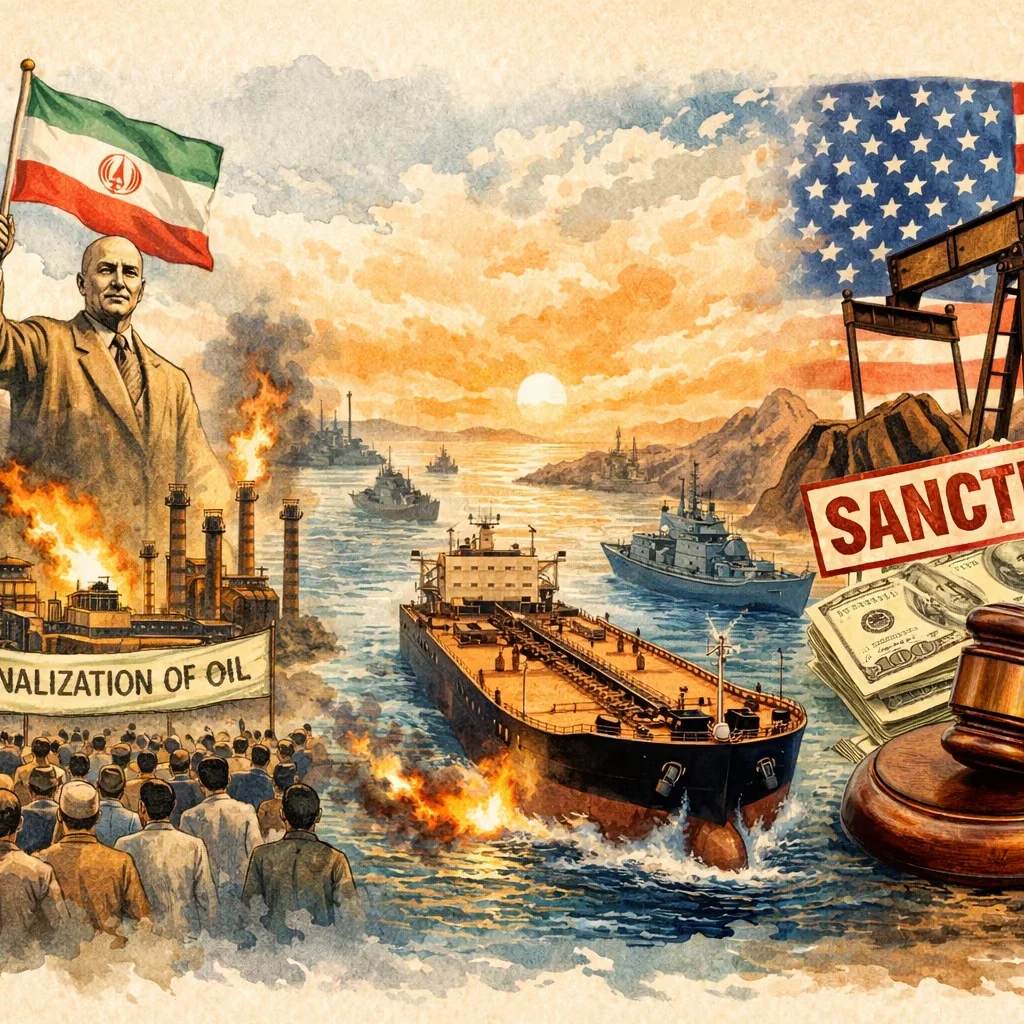
Washington claims victory, Tehran warns of war, and the IRGC loses patience. Is this the dawn of a new peace, or just a mirage in the desert?
Islamabad is Rewriting the Regional Order
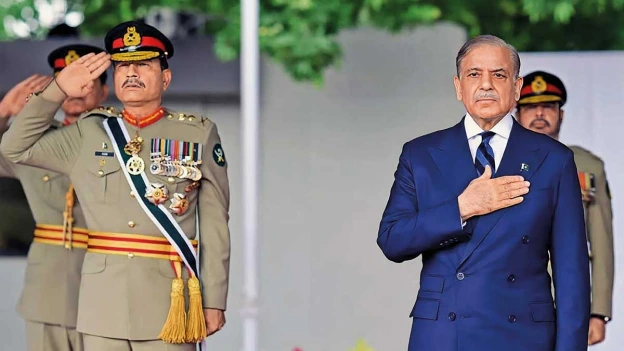
Discover how the Islamabad Talks are rewriting the regional order. From the $10B Saudi Aramco refinery in Gwadar to Pakistan’s role as a security provider for the Peninsula, explore how Field Marshal Asim Munir and PM Shehbaz Sharif are positioning Pakistan as a central player in the emerging Global South.
THE TENSION BREAKS: Why the Opening of Hormuz is the “Bailout” the Global Economy Needed

The “completely open” Strait of Hormuz is a major win for diplomacy, but at what cost? We dive into the hidden terms of the deal and the fragile future of the Middle East.
Islamabad Talks 2.0 – What to Expect from the Next Round
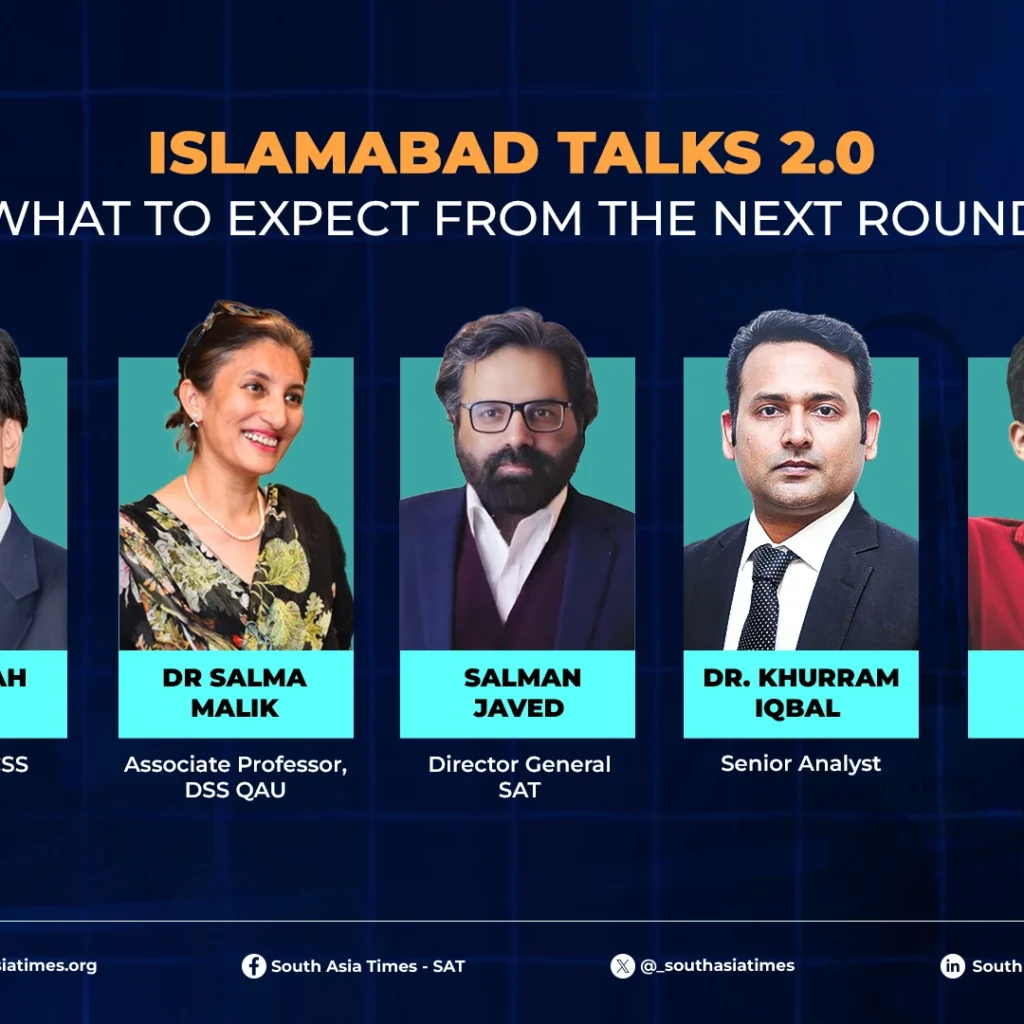
On April 17th, 2026, South Asia Times (SAT) hosted an X Space session titled “Islamabad Talks 2.0: What to Expect from the Next Round.” Moderated by Usama Qazafi, the session featured Salman Javed (Director, South Asia Times) and Abdullah Khan (Director, PICS), Dr. Salma Malik (Associate Professor, DSS QAU) and Dr. Khurram Iqbal (Senior Analyst) with contributions from other strategic experts. The discussion analyzed Pakistan’s pivotal role as the sole mediator in the ongoing rapprochement between the United States and Iran, the potential for a final agreement, and the regional “spoilers” threatening the peace process