
Bab al-Mandab: How the Houthis Turn Maritime Geography into Strategic Power
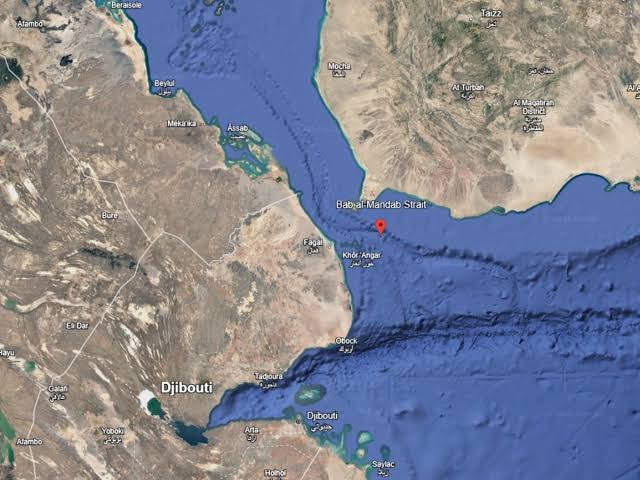
The protracted conflict in Yemen has long transcended conventional domestic territorial boundaries, cementing its role as a pivotal variable in Red Sea maritime security, global trade stability, and regional power architecture. Recent political and military signaling from Sana’a—articulated by senior officials aligned with Ansar Allah—reveals a calculated doctrine: coupling local territorial dynamics along the Red […]
Exploitation of Religious Sanctity for Political Hegemony
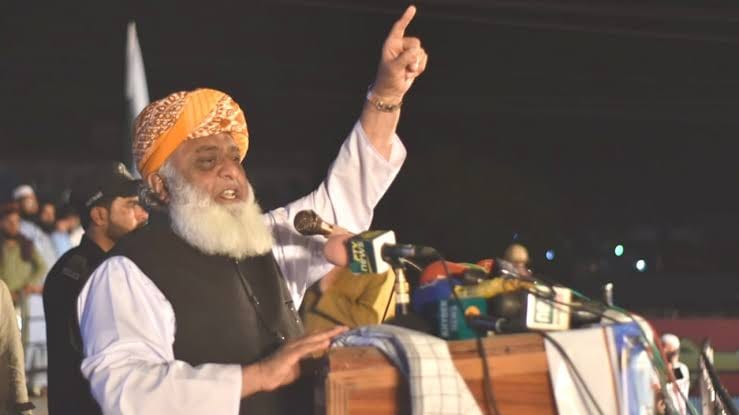
The persistent exploitation of religious infrastructure and sacred narratives for personal political gain represents a profound violation of Islamic ethics and statecraft. For decades, traditional political actors, most prominently Maulana Fazlur Rehman, have manipulated madaris, mosques, and religious charities to construct personal vote banks while keeping the very institutions they claim to protect in perpetual […]
Principle or Pivot? Religious-Political Leadership, Afghanistan and Shifting Alliances
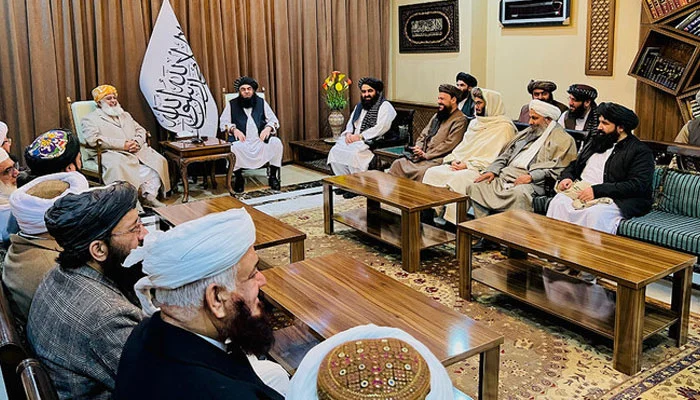
Small, pivotal parties survive by keeping their options open, and political science has long treated shifts in their positions as rational bargaining, not hypocrisy. The question worth asking about Maulana Fazlur Rehman is therefore a narrower one than whether he has changed course. It is whether the principles he invokes explain what he does, and […]
Debunking Myths: How the C5’s Narrative on Terrorism Vindicates Pakistan’s Position on Afghanistan
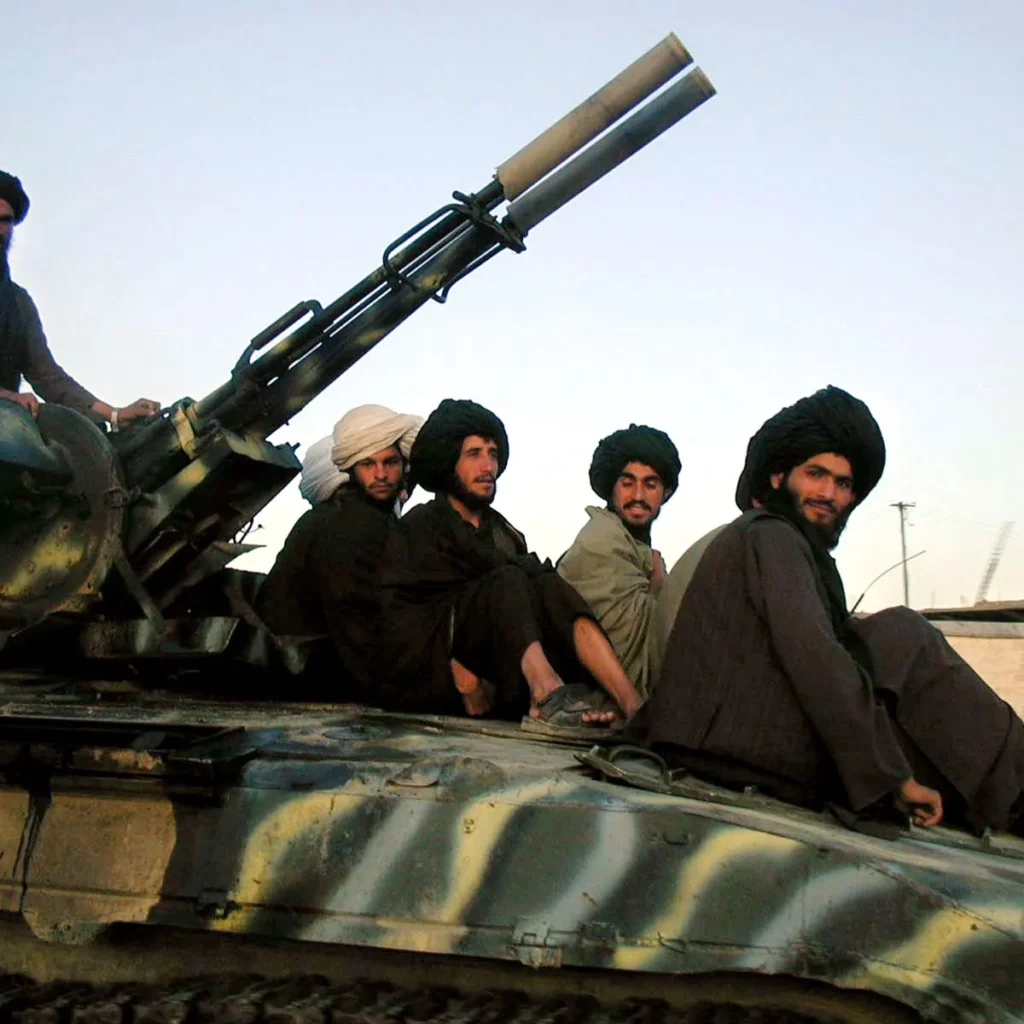
Pakistan is ranked first in the latest Global Terrorism Index (GTI), 2026. That ranking, and the wider relationship between terrorism and Pakistan, cannot be explained without factoring in Afghanistan. The country’s proximity to Kabul and its hostile neighbourhood make it a victim of transnational terrorism emanating with Indian involvement. Since 2021, New Delhi has maintained […]
Bangladesh Moves Toward the 15-Nation RCEP: Opportunities and Risks
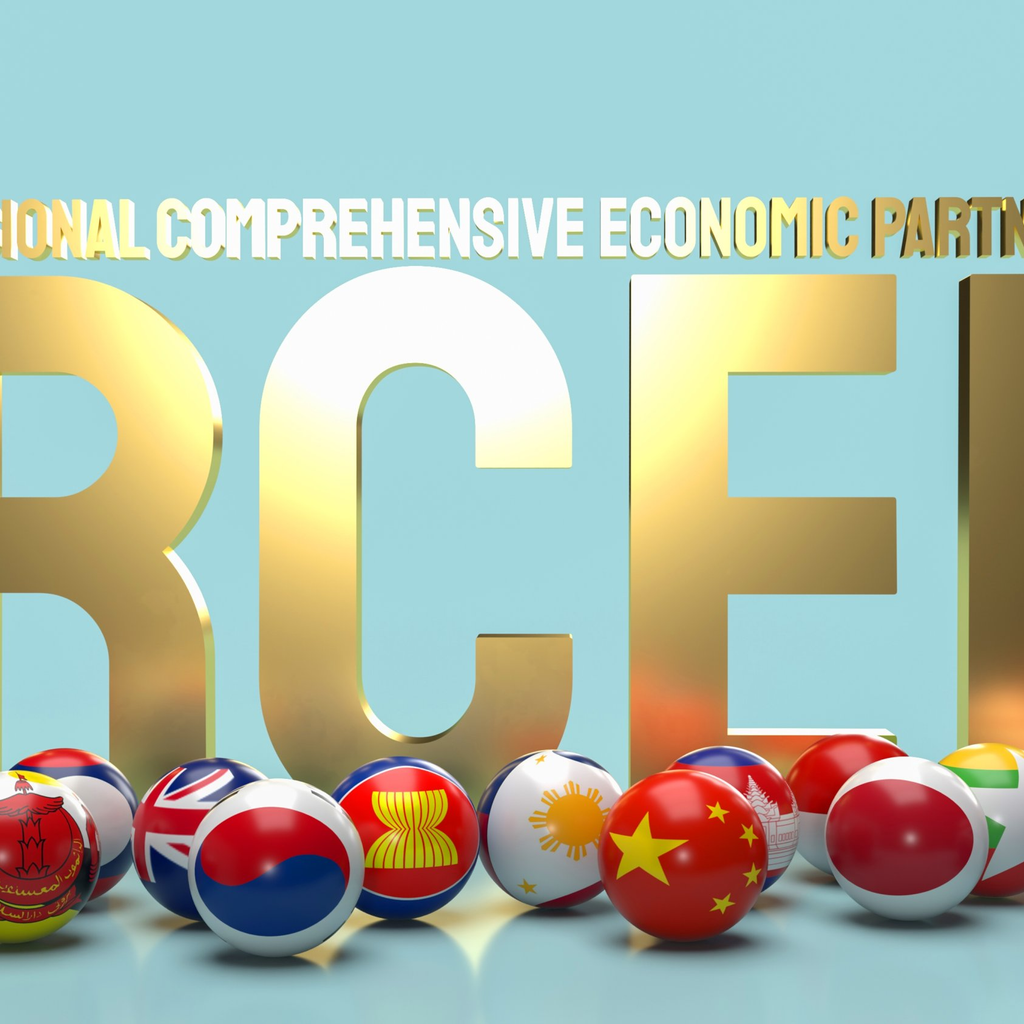
Bangladesh is moving toward a new economic opportunity through the Regional Comprehensive Economic Partnership (RCEP). If Bangladesh joins the agreement, it could create new employment opportunities. At the same time, it could create new opportunities to increase exports. RCEP is a major trade agreement involving 15 countries. These include the 10 ASEAN countries, China, Japan, […]
The US–China AI Race

The best American and Chinese AI models are now separated by less than 3 percent. The contest has moved to chips, compute and rival clubs, and middle powers such as Pakistan must keep access to both.
South Asia’s Street Lettering Is Cultural Infrastructure, Not Visual Clutter

A shop sign has a small job: tell you what is inside. Yet the signs above pharmacies, mechanics, tailors, tea stalls and bookshops also teach residents how to read a city. Their colour, scale and language reveal what a neighbourhood sells, which customers it expects, and how businesses negotiate attention in a crowded street. The […]
India’s Space Ambitions and the US Space Force
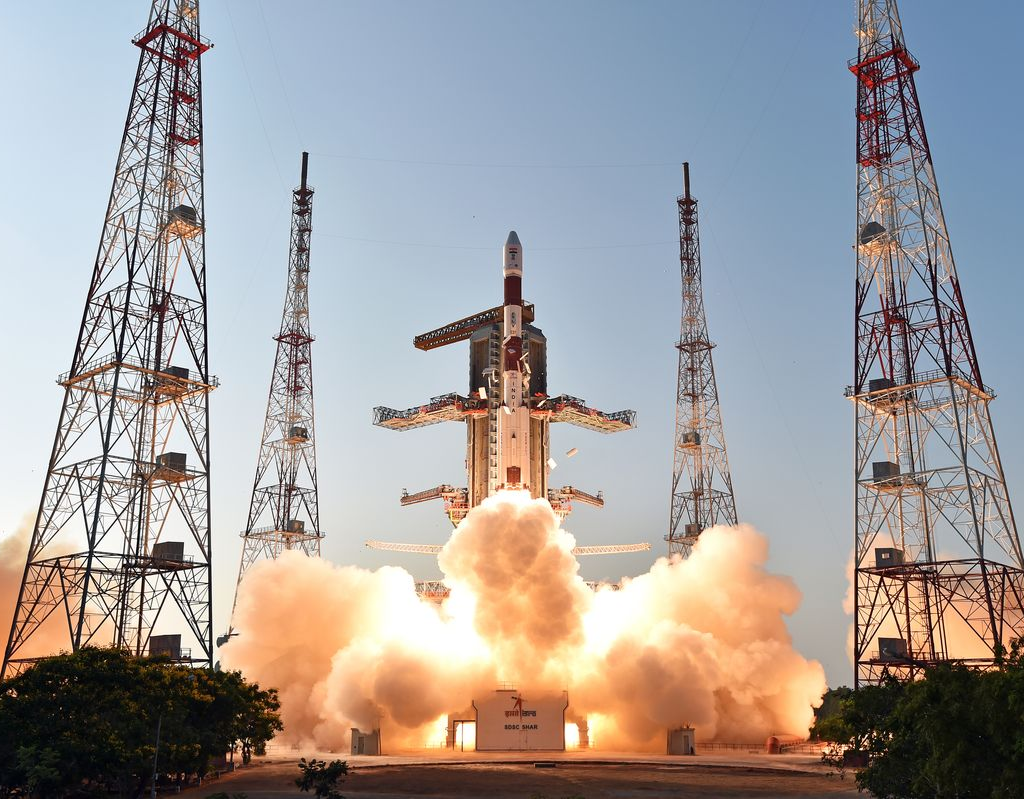
Throughout the twentieth century, outer space development was a prestige domain where States showed their technical maturity. That era is over. Now satellites are used to direct the weapons, to transmit communications, and to monitor borders, and the one that controls them enjoys a military advantage no deployment on the ground can have. India’s recent […]
The Afghan Chessboard – Competition and Challenges

Last week we mentioned that in Afghanistan the ‘Great Game’ continues with changed players. The US would like to keep its engagement with the ruling clique – willingly or unwillingly – due to Washington’s geostrategic interests in the region including counterterrorism, its ongoing competition with China and Russia, and, most of all, Afghanistan’s proximity to […]