
The Indian Muslim: Shadows of Pahalgam and Waqf Bill

The period following the April 22 Pahalgam terror attack in India (May 2025) exposed a multifaceted crisis for the Muslim community, marked by a brief but intense military confrontation with Pakistan, the controversial enactment of the Waqf (Amendment) Act, 2025, and a disturbing surge in anti-Muslim violence and hate speech.
India-Pakistan Tensions: From Phoney War to Phoney Peace

In recent days, tensions between India and Pakistan have escalated once again, casting a long shadow over the region. From journalists to soldiers on the front lines, all seem caught in the same revengeful event. Words like jingoism, propaganda, war, and attack have become commodity in headlines and broadcasts, yet their true weight is borne […]
Modi’s Anti-China Rhetoric Hints South Asia’s Geo-economic Shift
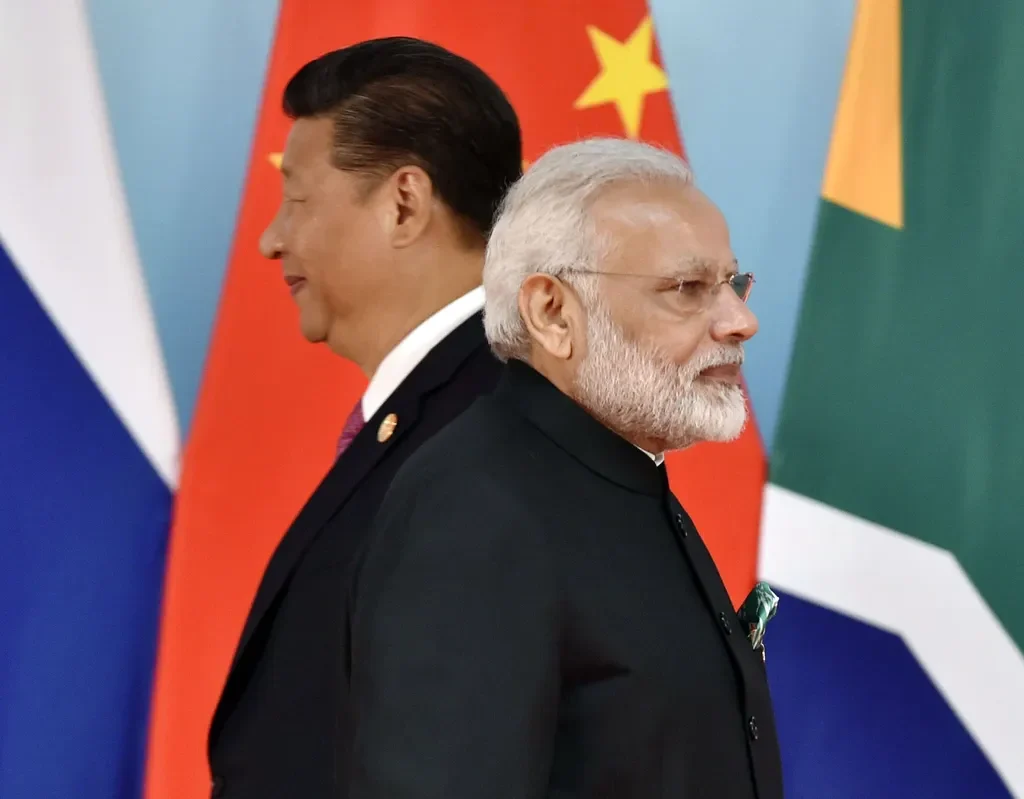
With the recent Pak-Indo conflict resulting in an embarrassing military loss for India by Chinese made Pakistani Jets, the Modi government’s hostile rhetoric towards China increasingly rings hollow, both diplomatically and economically. A statement by Prime Minister of India, Narendra Modi calling for Chinese products’ boycott by Indians signifies a new era of shifting geo-economic […]
Exposing the TTP: Hijacking Islam to Serve Foreign Masters

In an era where proscribe organizations like TTP has blurred the lines between religion, terrorism, and geopolitics, clarity becomes a national imperative. That clarity came—ironically—from the very figure Pakistan has long identified as a proxy terrorists: Tehrik-e-Taliban Pakistan (TTP) chief Noor Wali Mehsud. His recent statement, claiming that alliances with non-Muslim powers are “permissible under […]
Diplomacy by Design: Rome and Parthia’s Border Strategy

On the rugged frontier between Rome and Parthia, Armenia became the focal point of a quiet contest for influence. Rather than constant war, both empires relied on diplomacy, dynastic ties, and client kings to assert control. The Treaty of Rhandeia in 63 CE marked a rare strategic compromise — securing peace not through conquest, but through balance and restraint.
Pakistan’s Nuclear Journey: From Disparity to Deterrence

Pakistan’s emergence as a nuclear power on May 28, 1998, was shaped by deep security anxieties following the 1971 war and India’s 1974 nuclear test. Spearheaded by leaders like Zulfikar Ali Bhutto and advanced under military stewardship, the program combined scientific innovation—led by Dr. A.Q. Khan—with a covert procurement network. The 1998 Chagai tests, responding to India’s Pokhran-II, marked Pakistan’s entry into the nuclear club, framed as a bid to restore regional strategic balance. Despite immediate sanctions, international responses soon softened. Nuclearization has since fostered a fragile deterrence in South Asia—curbing full-scale war while enabling low-intensity conflict, encapsulating the region’s enduring “stability-instability paradox.
Beyond the Missiles: Pakistan’s Full-Spectrum Pivot to Diplomacy

In the silent theater of diplomacy, where words weigh more than warheads, Pakistan choreographed a masterstroke—turning India’s bluster into a backdrop for its quiet, calculated ascent on the regional stage.
Khuzdar and Beyond: Unmasking India’s Covert War
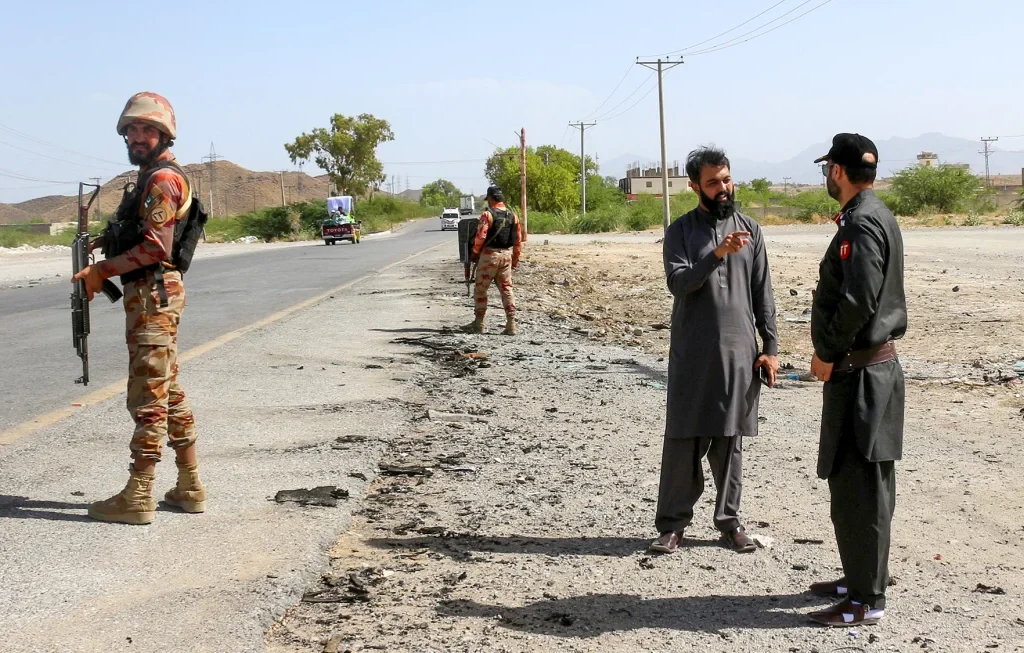
In a landmark briefing, DG ISPR exposes Indian state-sponsored terrorism behind the Khuzdar school bus attack, detailing RAW’s proxy warfare in Balochistan and unveiling Pakistan’s new counterterrorism doctrine
Economic Nerve Centers of India at Risk in Future Conflict
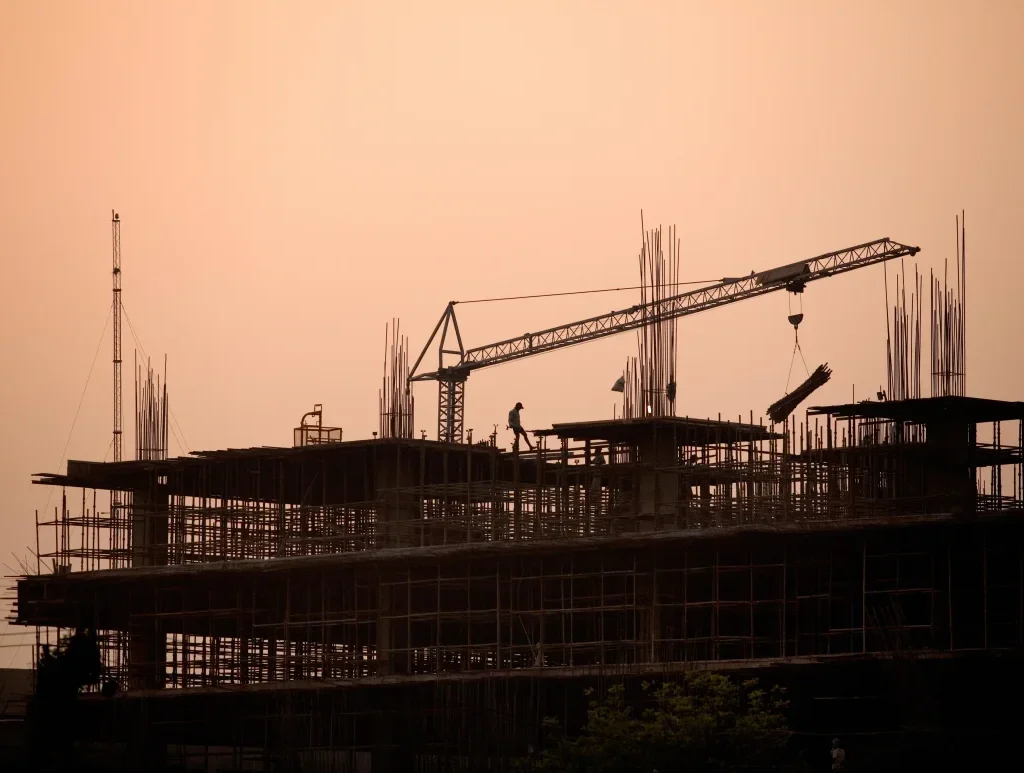
A chilling shift in Pakistan’s strategic posture signals a potential new front in future India-Pakistan conflicts: economic warfare. In response to recent military escalations, Islamabad is reportedly prepared to target India’s industrial hubs, threatening vital economic infrastructure and financial interests linked to the ruling elite. As deterrence evolves, New Delhi must reassess its security doctrine to safeguard the backbone of its economic power.