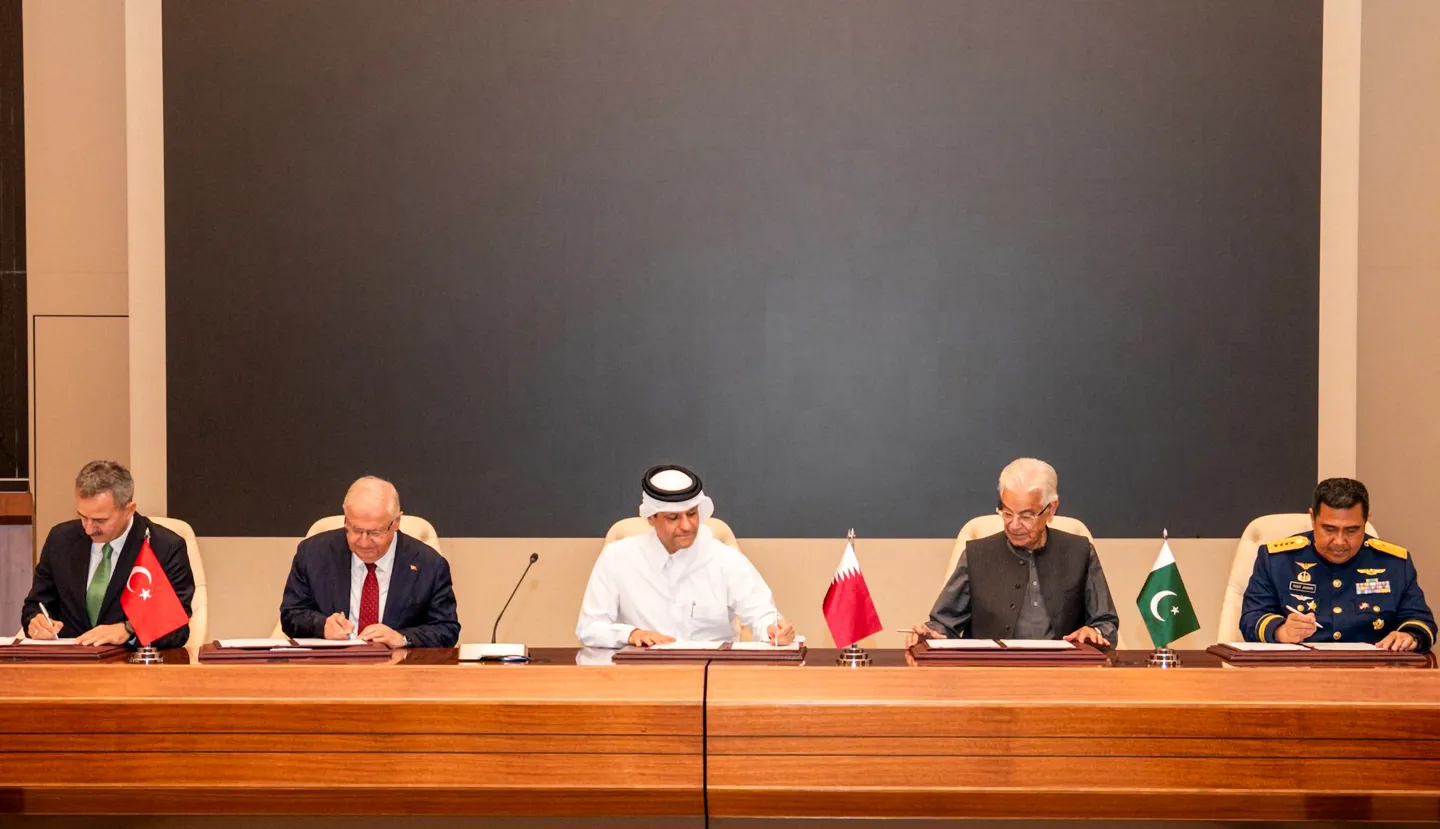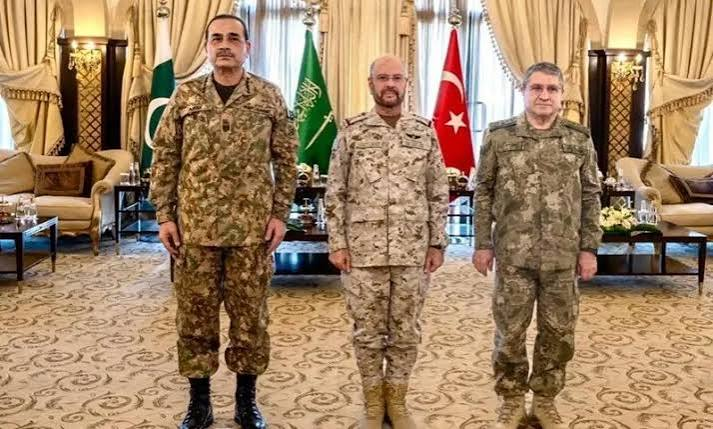
The Foreign Office has announced that the secretary general of the Makkah Defense Alliance, a Pakistani military officer, retired Lieutenant General Nauman Mahmood, is expected to assume his responsibilities in Riyadh soon. Lt General Nauman Mahmood was appointed as the first secretary general of the Defense Agreement last August. The agreement empowers the three members to consider an armed attack on one member an attack on all.
The appointment of a Pakistani military officer as an official to head the secretariat of the defense agreement is more than merely an administrative and diplomatic development. It reflects the trust and confidence that Turkiye and Saudi Arabia have placed on the military competence and institutional experience of Pakistani military leadership.
The central Secretariat of the agreement is being built in Riyadh under the stewardship of a Pakistani military officer indicating that Pakistan military expertise will play a central role in shaping and planning the organization’s institutional development. This clearly indicates that Pakistan’s strategic relevance is increasingly being recognized at the regional and international level.
The appointment of a Pakistani general in Makkah central secretariat means that Pakistan is being given a leading institutional leadership role in the organizational development of the pact. The Makkah Defense Agreement was signed on August 7,2026 between Saudi Arabia, Pakistan, and Turkiye in Riyadh. The collective defense provision—attack on one member country will be considered an attack on all the countries– in the text of the pact draws comparison to other powerful defense agreements in the contemporary world, especially NATO.
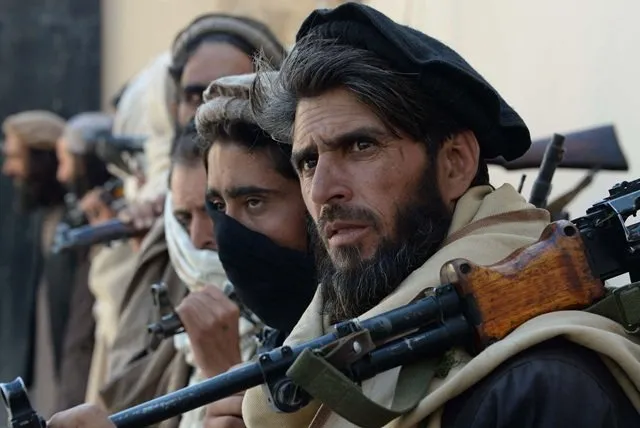
It is noteworthy that Pakistan’s military expertise especially matters to this arrangement. Pakistan has a long-standing tradition of military expertise with its officer crops in possession of extensive military operational experience. The Pakistani military has been engaged in counter terrorism and counter insurgency operations for 25 years. Pakistan also fought a conventional war against much larger adversary in May 2025.
Pakistan has established and consolidated cooperation in the field of Defense production with both Saudi Arabia and Turkiye. Pakistan is a nuclear power with a strong defense industrial base.
The security situation in West Asia and the larger Middle East is especially volatile and Pakistan’s role in this region is being viewed from the perspective of its capacity to contribute to the overall security and defense of this region, and not simply as a byproduct of Pakistan’s historic friendship with the Gulf countries.
The US-Iran tensions and Houthis emergence as a regional security threat brings clarity to Pakistan’s role in the region.
However, it is by now clear that Pakistan’s military relevance goes beyond its immediate neighborhood.
On Friday Pakistani High Commissioner to the United Kingdom, Tipu Usman visited Royal Military Academy Sandhurst, “A unique honour to visit Royal Military Academy Sandhurst reminded me of my time in the Pakistan Military Academy. Pakistan and the British Army share a rich history and have strong ties. Look forward to playing my humble role in furthering these ties” Pakistan’s top diplomat in London wrote on X. Sandhurst Military Academy has a special significance for the Pakistan military where many Pakistan officers have received training.
The United Kingdom and Pakistan celebrated 75 years of defense relations at Sandhurst in March 2022. These institutional relations reflect the Pakistani military’s strong place within the international military and defense community.
Pakistan’s military and strategic relevance goes beyond its immediate security environment and neighborhood.
The role of Pakistani officers in the institutional and organizational development of the Makkah Defense Agreement and its enduring defense relations with the United Kingdom reflect two varied dimensions of this regional and international influence. The regional dimension of this influence is reflected in the confidence Turkiye and Saudi Arabia have shown towards Pakistan. The international dimension, on the other hand, is reflected in the long tradition of institutional relations with western military establishments.
Now the task is to translate this confidence and influence into an enduring regional diplomatic role for the advancement of peace and stability in our region as well as in the entire world.

Your go-to editorial hub for policy perspectives and informed analysis on pressing regional and global issues.