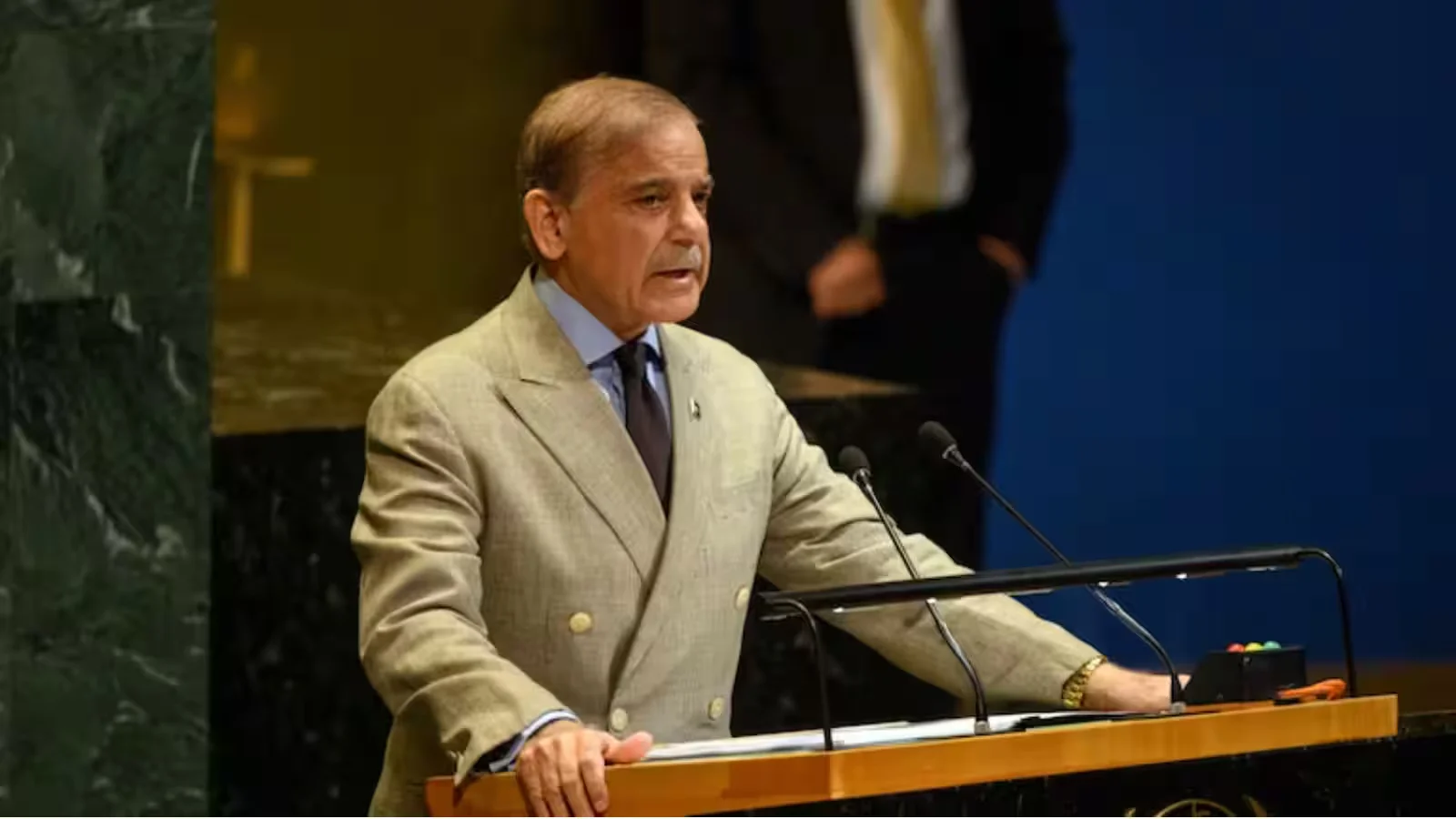
Peace Through Strength: Shahbaz Sharif at the UNGA
At UNGA 2025, Shahbaz Sharif projected Pakistan’s confidence, framing deterrence, Kashmir, and Palestine within a call for peace and sovereignty.

At UNGA 2025, Shahbaz Sharif projected Pakistan’s confidence, framing deterrence, Kashmir, and Palestine within a call for peace and sovereignty.

Amnesty International’s Shadows of Control paints a bleak picture of Pakistan’s digital surveillance. Yet by sidelining the country’s acute security challenges, dismissing existing legal safeguards, and overlooking its own credibility issues, the report offers a partial and misleading narrative. A more balanced approach requires situating surveillance within Pakistan’s counterterrorism imperatives and recognizing the global double standards at play.
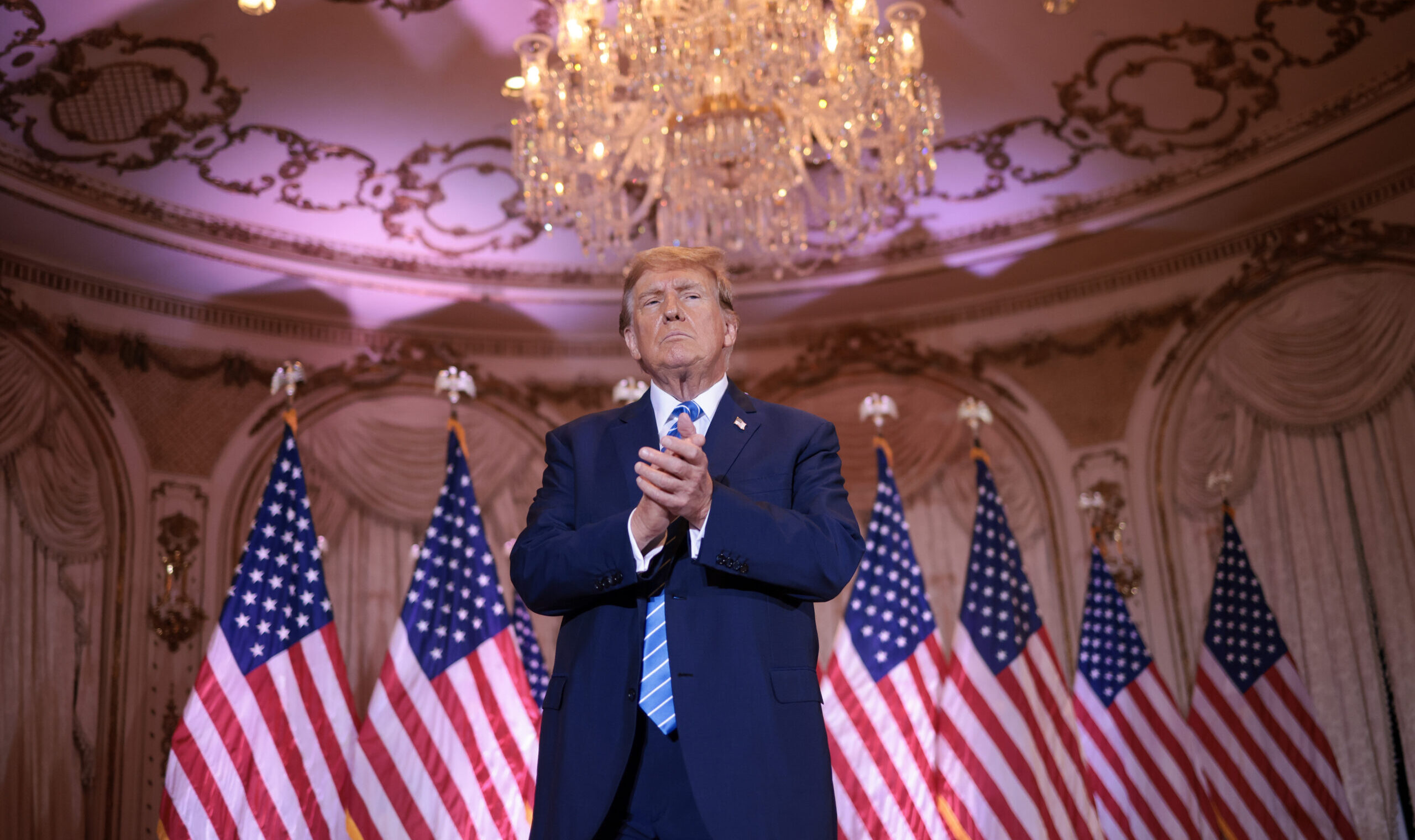
Donald Trump’s address to the UN General Assembly marked a sharp break from America’s seven-decade stewardship of the liberal international order. Rooted in realist principles, his speech rejected multilateralism, attacked the UN’s legitimacy, and reframed alliances as transactional bargains. From immigration and climate policy to NATO and Middle East conflicts, Trump outlined a vision of unilateral power and national sovereignty that directly challenges the institutional foundations of global governance.

Mahrang Baloch is hailed as a human rights defender, yet her rhetoric, symbolism, and political positioning reveal alignment with separatist objectives. Her activism reflects the dynamics of narrative warfare, where political fronts provide legitimacy to armed insurgencies.
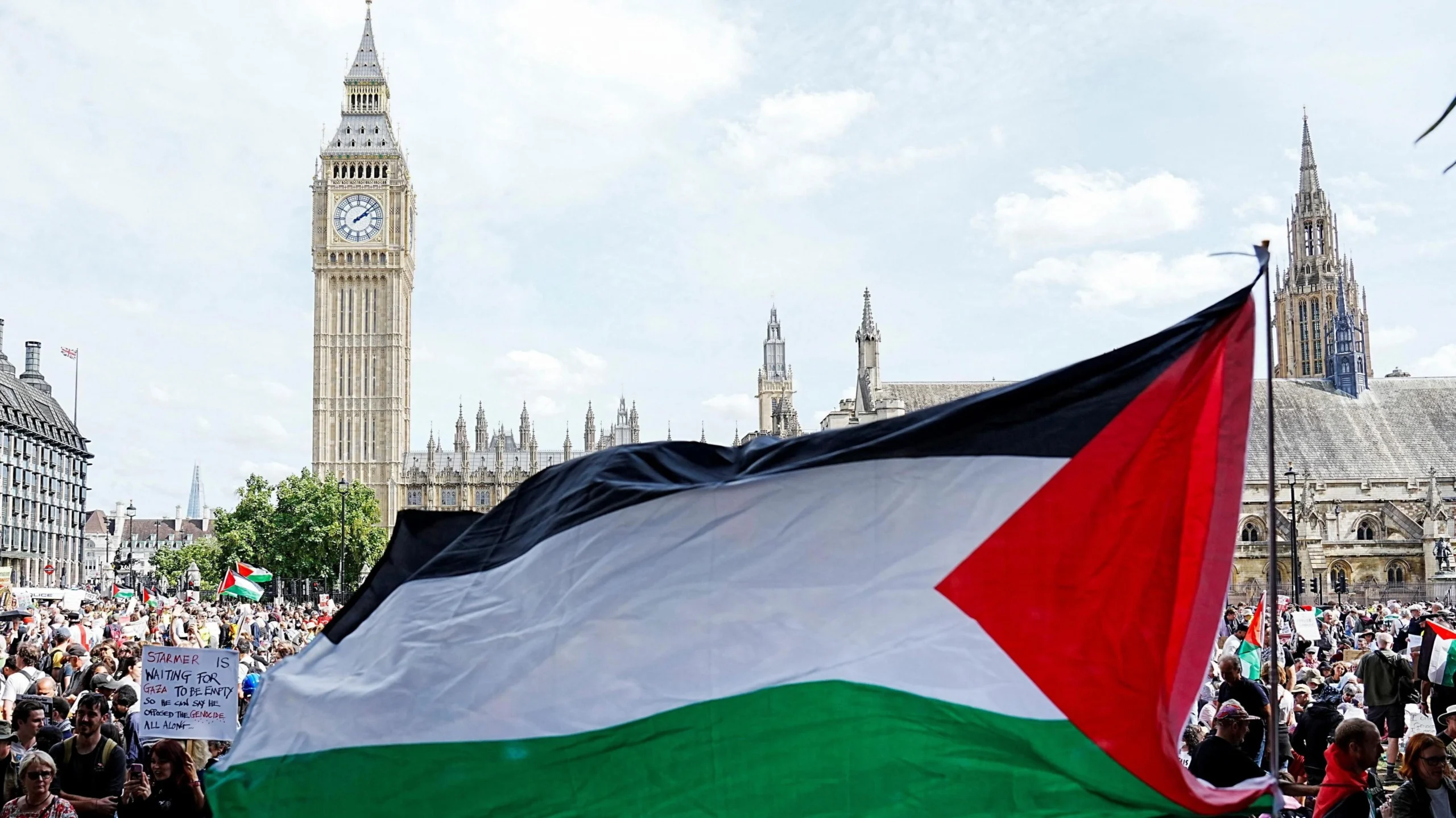
After more than 65,000 deaths and Gaza’s collapse into famine and ruin, the UK, Canada, Australia, and Portugal have formally recognized Palestine. Their move breaks decades of Western policy consensus, signaling a potential turning point in the conflict, but with strict conditions and fierce Israeli opposition, the future remains deeply uncertain.

A new Trump executive order imposing a $100,000 annual fee on H1B visas marks more than a shift in U.S. immigration policy, it is a geopolitical act with lasting consequences. While American firms may adapt, India faces structural damage.
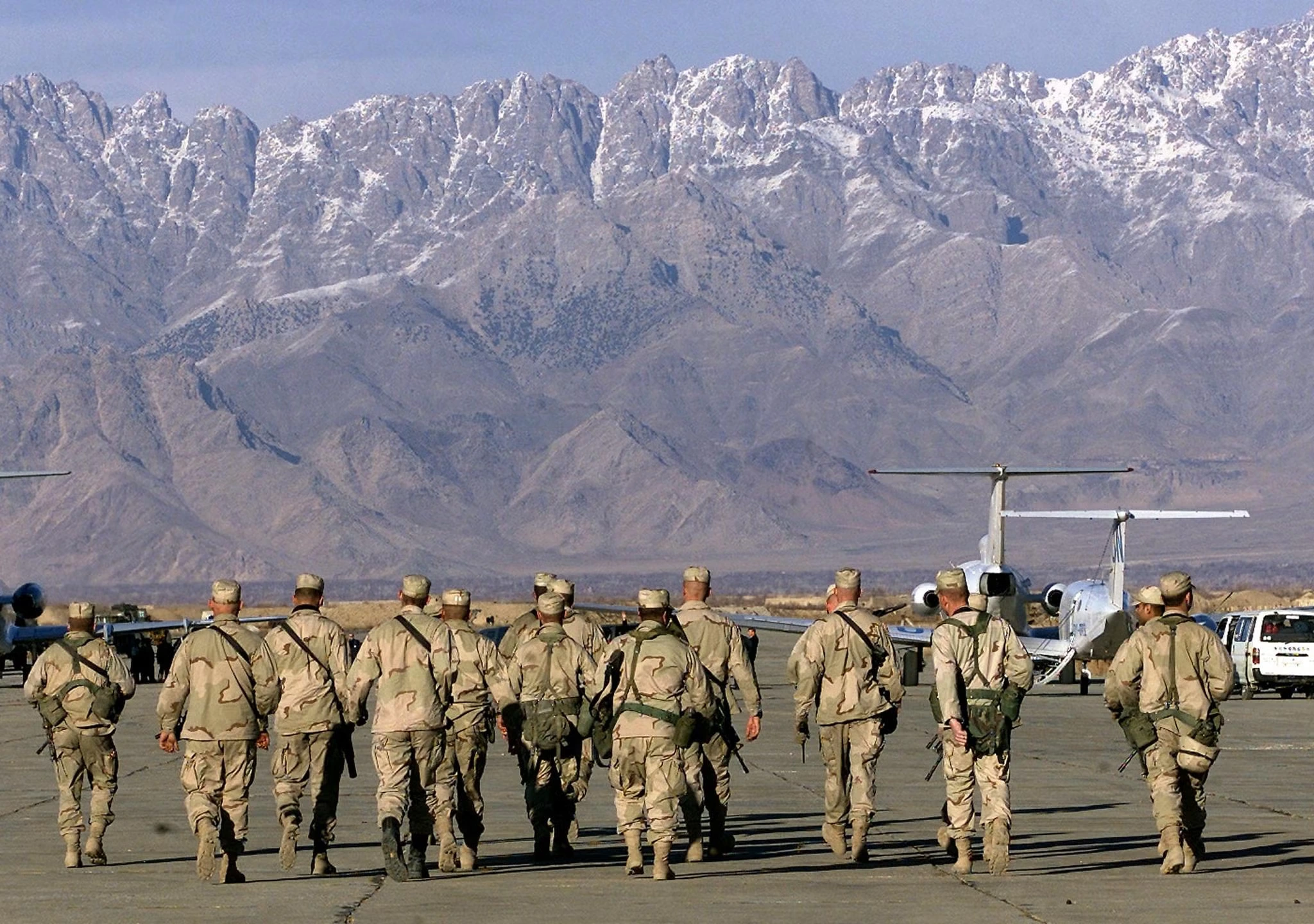
Bagram Airbase was the nerve center of America’s two-decade war in Afghanistan and a unique strategic vantage point at the crossroads of South, Central, and West Asia. Its loss created a void in US power projection that over-the-horizon operations cannot fill.
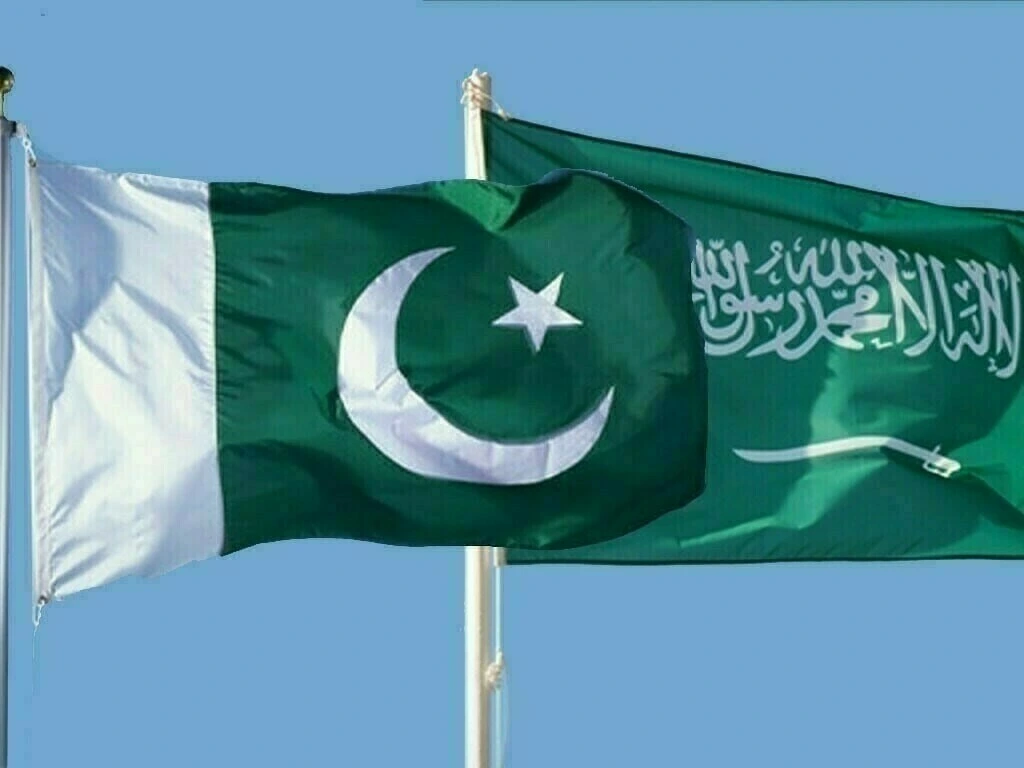
The Pakistan-Saudi Strategic Mutual Defense Agreement marks a historic shift from informal cooperation to a binding security alliance. Anchored in collective defense and deterrence, the pact reshapes Gulf security, challenges reliance on Western guarantees, and positions Islamabad as a formal net security provider in the region.
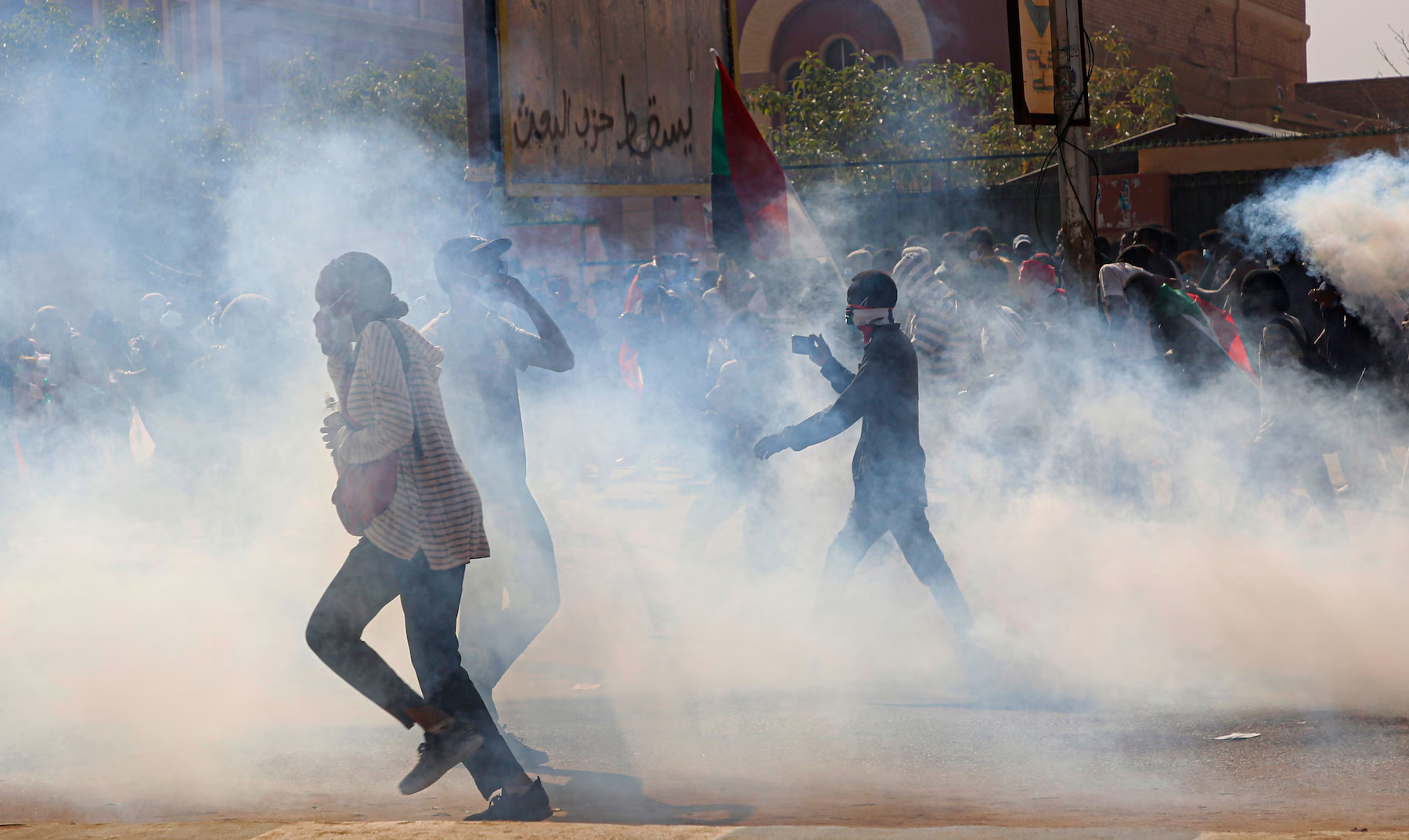
From the Arab Spring to Sri Lanka’s Aragalaya, street revolutions have ignited extraordinary hope, toppling entrenched rulers and inspiring global headlines. But history shows a harsher truth: these uprisings rarely deliver the transformation they promise. Once the euphoria fades, fractured coalitions give way to elite capture, military takeovers, or outright collapse. Without resilient institutions, the energy of the streets is easily co-opted, leaving ordinary citizens facing the same injustices under new faces.
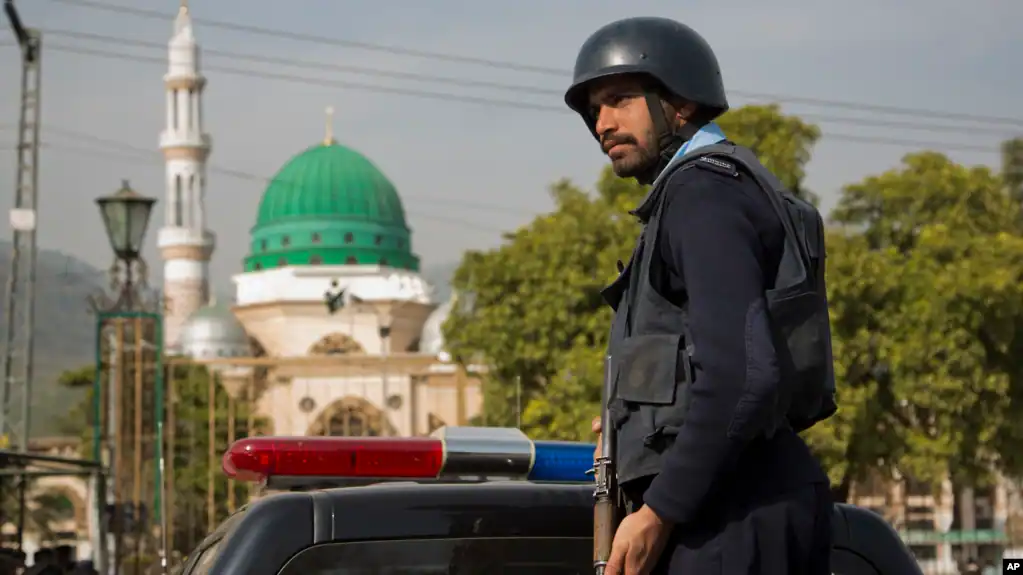
For two decades, Pakistan has endured TTP-led violence. Now, a rare consensus among Deobandi, Barelvi, and Ahl-e-Hadith scholars delegitimizes the insurgency and redefines jihad versus rebellion.