Around the world freedom of expression is a patent fundamental right. But nowhere and not at all in the western liberal democracies, it is considered an unlimited entitlement. In none of the liberal democracies freedom of expression exists without some kind of legal boundaries governing expression or regulating media which exercises this fundamental right in the operations of its profession.
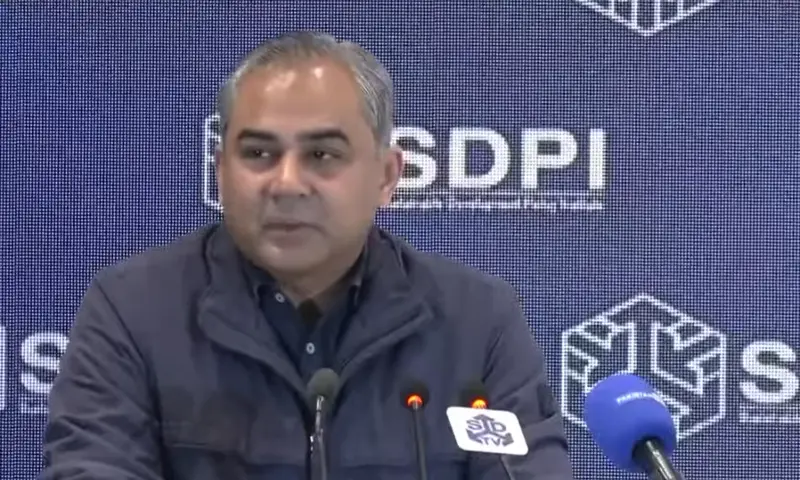
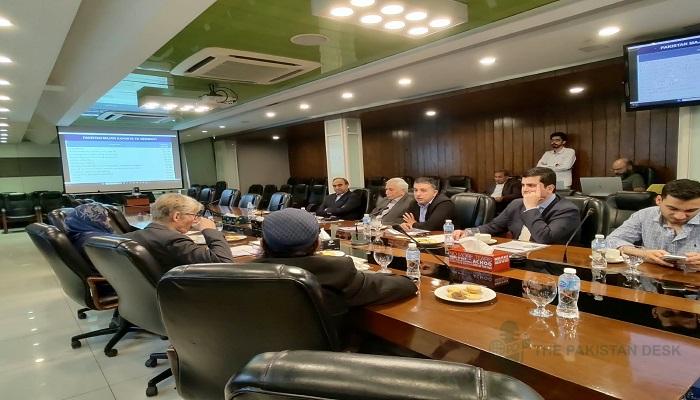
On Tuesday (November 24, 2026) Interior Minister Mohsin Naqvi asserted that freedom of speech should not become a shield for those who cross “red lines”. He made the remarks while addressing a seminar organized by the Sustainable Development Policy Institute (SDPI). At the outset of his speech, the minister said that there were four “red lines” for the state: terrorism, hate speech, incitement to violence and sexual exploitation of children.
Expressing his resolve at enforcing regulations, the interior minister said, “That is why we have established a Social Media Protection Regulatory Authority”.
As we have already stated that nowhere in the entire world there exists unregulated freedom of expression. Media regulatory authorities in democracies around the world operate within the social, political, security and cultural context of their respective societies.
Protecting freedom of expression and preventing the abuse of media power are not mutually exclusive activities. Regulations and regulatory authorities should not operate in an arbitrary manner.
At the same time, collective solidarity among the media professionals should not be allowed to turn into collective impunity. Journalists and media houses should be as much subject to law as ordinary citizens.
Since 9/11, Pakistan has undergone dramatic transformations. While US forces initiated the war against terror in this region, Pakistan continues to be at the receiving end of local, regional and international terrorism.
At the same time Pakistan is still the target of machinations of hostile forces aimed at destabilizing Pakistan. Limited space doesn’t allow us to go into the details of how social media can and did become instrument of recruitment, incitement and disinformation.
Pakistani state has ample evidence to conclude that hostile intelligence agencies are using social media to create unrest in our society. This is no ordinary challenge requiring ordinary regulatory measures.
This is blatant fault of success governments in Pakistan that they have failed to establish effective regulatory mechanisms to regulate freedom of expression and media as an institution. The media regulatory mechanisms have functioned arbitrarily and whimsically in the past, with the result that the disruptive media practices, which were ignored in the past for political expediencies, have become a norm and a precedent for later generations media professionals to follow.
This also led to development of weak institutions and lack of public trust in them.
One of major problems of our society, and this has been given to us by our peculiar history, is that we lack norms and traditions which are universally acceptable to all the segments of society. Our is a fractured society. There is no social and constitutional consensus about acceptable public conduct.
This social reality is a major obstacle in the way of enforcement of laws and regulations. So, it goes without saying that Interior Minister or government is indulging in a futile exercise in establishing another media regulatory authority to the statue books.

Your go-to editorial hub for policy perspectives and informed analysis on pressing regional and global issues.