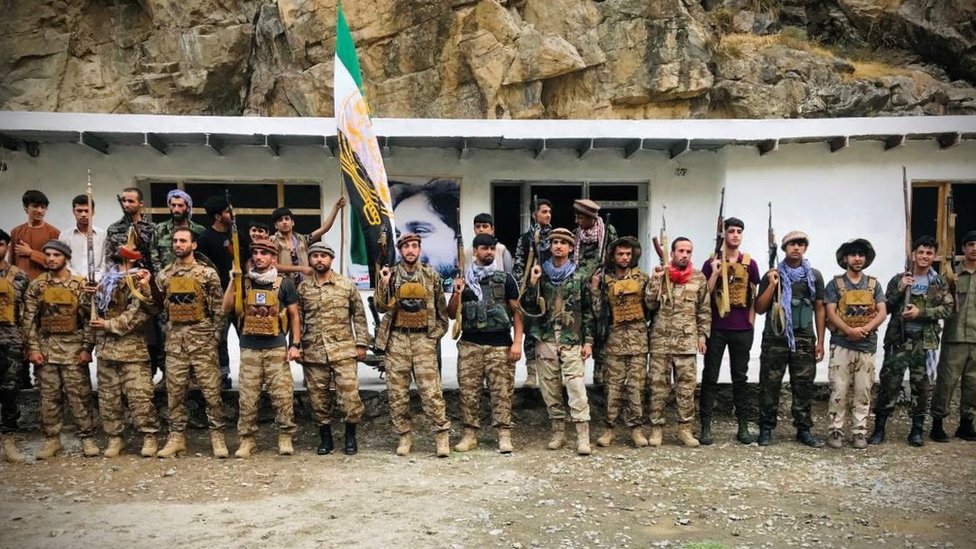
Afghanistan’s armed opposition to the Taliban is no longer a scattered set of isolated incidents. It is turning into a broad, sustained challenge to the regime’s grip on the country. Resistance groups are now operating across several provinces and striking Taliban positions, convoys and installations. What drives them is anger that has built up among Afghans over years of repressive rule, political exclusion and power held by one narrow circle in Kandahar.
The scale of this escalation is clear. In October alone, claimed anti-Taliban attacks more than doubled compared with September. Ahmad Massoud’s National Resistance Front claimed 11 operations across Badakhshan, Baghlan, Panjshir, Herat, Kandahar and Wardak. The Afghanistan Freedom Front, led by former army chief Yasin Zia, claimed 10 attacks stretching from Badakhshan to Kabul, Kunar and Logar. Earlier, resistance groups claimed 73 attacks between July and early September. In Badakhshan’s Zebak district, the Freedom Front said it seized Taliban positions, which tested the regime’s control in the northeast. The NRF alone says it has carried out more than 2,000 attacks over five years, even though hundreds of its members have been detained.
The opposition is also widening. Besides the NRF and the Freedom Front, the Afghan United Front, the National Mobilization Front, the Freedom and Justice Movement and a growing list of other groups have publicly claimed operations against the regime. A movement that started in the Panjshir valley now reaches north, east, west and south.
The reason is not hard to find. The Taliban have given Afghans no political stake in their own country. UNAMA’s latest findings record 443 arbitrary arrests and detentions and 97 incidents of ill-treatment in a single quarter. They also record continued restrictions on girls’ education, women’s movement, journalists and Shia institutions. UN monitors have documented arrests over hairstyles and public floggings. Women have been barred from higher education since December 2022, and half of Afghan women now rarely leave their homes. The regime’s answer to criticism is the same every time: it calls UNAMA’s reporting propaganda instead of addressing the abuses the reports document.
This exposes the story the Taliban keep telling. For years they have blamed outside actors, Pakistan above all, for every problem inside Afghanistan’s borders. But no foreign hand is behind the gunfire in Badakhshan, Panjshir, Kunar or Herat. These groups are led by Afghans, staffed by Afghan fighters, and fed by grievances that Afghan rulers created. The regime cannot hide its own failures by pointing across the Durand Line. Those who repeat Kabul’s claims that the trouble is imported are ignoring what is plain on the ground. The Taliban are losing the consent of the people they rule.
A government that shuts out women, ethnic minorities, former officials and every dissenting voice will never be stable. The Taliban have taken over the state, but they have not won the nation. The rising resistance is the Afghan people’s answer. They want freedom, dignity and the right to decide their own political future, and five years of coercion have not crushed that demand.
For the region, the lesson is simple. Lasting stability in Afghanistan will not come from propping up an exclusionary regime that exports its failures and blames its neighbours. It will come when Afghans themselves get an inclusive and accountable government. Until then, the struggle growing from within Afghanistan will only gain strength.

SAT Commentaries, a collection of insightful social media threads on current events and social issues, featuring diverse perspectives from various authors.