Pakistan has been making great moves with Iran recently showing how important military diplomacy is when trying to build a bridge between differing regional interests. However, actualization of the security agreements are genuinely expected to yield the results in the near future.
Pakistan has shown great efforts to build relationships by signing a ‘Strategic Mutual Defence Agreement’ with Saudi Arabia on the 17th September 2025. This helps to ‘reinforce regional security’ and a ‘common response to aggression’. It gives a real reason for the relationship.
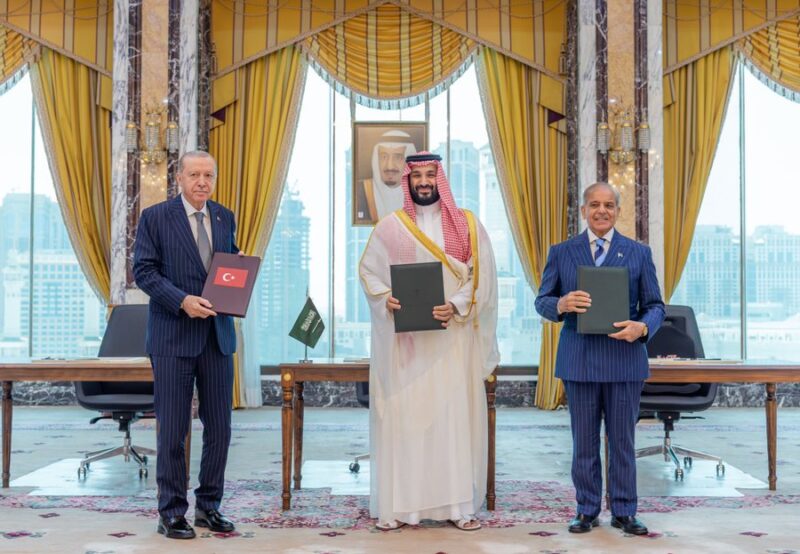
A ‘Joint Defence Agreement’ has been signed with Saudi Arabia and Türkiye in Makkah on August 2026. This helps to increase collaboration. Whilst building agreements there can be a feeling of trust developed between the partners. Reassuring all the neighbors about the objectives of the agreements through clear communication is as much necessary as the agreements in place.
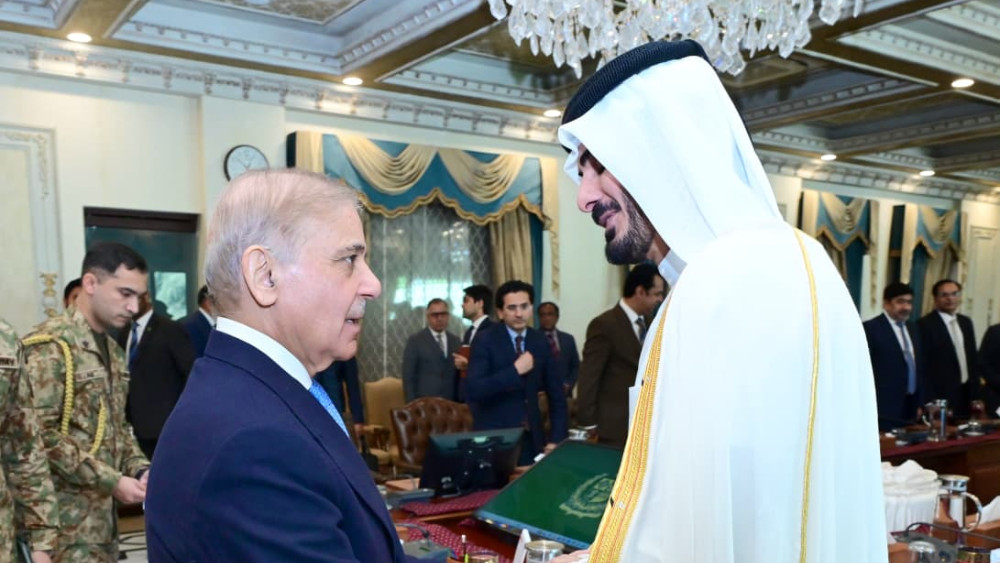
The meeting on the 26th October was very important. Field Marshal Syed Asim Munir attended with Iranian leaders, Prince Khalid bin Salman (Saudi Defence Minister) and Ibrahim Kalin (Turkish intelligence chief). It was reported in an article from Reuters that ‘the four nations agreed to continue the dialogue about cooperation for peace and security.’ This shows that building a strong defence partnership can help in engaging with a differing regional partner.
The best thing Pakistan have done is keep a strong relationship with Riyadh, whilst maintaining a direct relationship with Tehran. It is important that Islamabad don’t stop engaging with one partner due to their commitment with another. Munir should be involved as having a high level military relationship can allow them to discuss threats, defence intentions and escalation. This can be more effective with government foreign policy.
The objective should be to understand each other within the region. Having agreements in place to communicate in times of crisis, protect civilian infrastructure and remain calm around maritime routes will give clear objectives. Human lives in the region can be saved even with small gestures of agreeing parties. Pakistan should encourage this to be a slow process with clear commitments to ensure they are carried out, monitored and maintained during heightened tensions.
There should be reasonably realistic expectations. Just because parties are discussing, it does not mean they will agree to be part of the Makkah alliance. They may not have solved any long term issues. Iran has their own security concerns and politics to consider. It is important to monitor how much progress has been made with commitments and continued discussion. It would be unfair to say this is a complete change in strategy.
This can be seen with American and Israeli decisions. There is no evidence to show Pakistan has stopped President Donald Trump from carrying out any military action. Decisions like this will involve many governments, military considerations and domestic factors. However, Pakistan has an important role to play by passing on messages, understanding proposals and keeping negotiations open. If they are accurately described and passed on this will improve their diplomatic reputation.
Having a stable region will be beneficial for Pakistan economically. If there are disruptions in the gulf this could cause issues with energy, increased shipping costs and uncertainty among workers overseas. Having predictable shipping, active markets and assured trading partners will be beneficial for a country wanting to attract investment and increase exports. Military diplomacy cannot be delinked from economic objectives to ensure safer and profitable trade in the region.
An institutional approach should be taken. Whilst personal relationships can help open doors, having a common goal between foreign ministry, defence and political leaders will create long term diplomacy. Unabated consultation will ensure economic progress in trade too. If appropriate consultation with parliament is carried out this will increase public confidence and ensure external commitments are manageable. Having a clear approach from the state will help ensure successful long term diplomacy.
Pakistan definitely discourages using sectarian language when considering regional cooperation. Whilst encouraging Muslim countries to work together it is important to not imply that having the same religion means there will not be any issues with conflicting interests. A good next step would be to have regular consultation. Topics such as early warning, communication in times of crisis and understanding defence deployment can be discussed.
Pakistan has created an opportunity to use military diplomacy to provide deterrence and dialogue during a challenging time. With Munir’s involvement and coordinated national policy this can be achieved. The strongest claim Pakistan can make to being a regional leader will come from helping neighboring countries to not be further destroyed whilst ensuring security and prosperity for their own citizens.
Qazi Zaheer Ahmad
The author is a retired BS-21 civil servant of the Government of Pakistan with over three decades of public service. He writes on geopolitics, economic strategy, and regional security, and is engaged in international trade and advisory work.