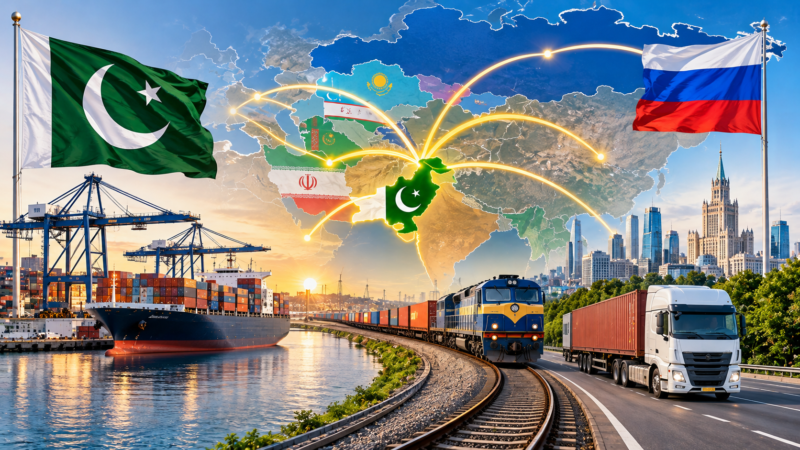
Pakistan and Russia have spent years building a more constructive relationship through diplomatic engagement, defence cooperation and regional forums. Yet one important dimension remains underdeveloped. Despite growing political understanding, economic relations have not reached a level that reflects the opportunities available to either country. This gap deserves attention because a relationship built primarily on diplomatic goodwill cannot deliver lasting benefits without meaningful economic cooperation. Pakistan and Russia now need to move beyond expressions of mutual interest and establish a partnership that produces tangible commercial outcomes. For Pakistan, closer economic ties with Russia could support efforts to diversify trade partners, improve access to industrial inputs, strengthen agricultural productivity and explore new technological partnerships. For Russia, Pakistan offers access to a significant South Asian market, an established agricultural and manufacturing base, and a geographical position that connects Central Asia with the Arabian Sea. These interests provide a reasonable foundation for cooperation. The challenge is to turn them into workable economic arrangements.
Addressing the Trade Imbalance
Trade can become a meaningful starting point. Pakistan already exports a range of products that could find opportunities in the Russian market, including textiles, cotton, rice, fruits, leather goods, surgical instruments and sports goods. Meanwhile, Russia supplies products relevant to Pakistan’s industrial and agricultural requirements, including fertilizers, chemicals, rubber, iron and steel, and machinery. However, the existing trade relationship remains heavily tilted towards imports from Russia. In April 2025, Pakistan’s Commerce Minister stated that bilateral trade had reached approximately $963 million in FY2023–24, with Pakistani exports accounting for $83 million and imports from Russia reaching $880 million. He also identified banking difficulties as a major obstacle to expanding trade. This imbalance points to a structural weakness in the relationship. Pakistan cannot build a sustainable economic partnership if its role remains largely that of an importing market. Greater access for Pakistani products in Russia would help address this gap while giving bilateral cooperation a more reciprocal character.
Hence, both governments should prioritise practical measures that enable Pakistani exporters to enter the Russian market. These include improving product certification procedures, facilitating business contacts, identifying reliable distributors and addressing transport and payment constraints. Pakistan’s Ministry of Foreign Affairs has already identified a broad range of exportable goods. The next step is to help businesses convert that potential into actual orders.
Making Institutional Agreements Work
The two countries have an existing institutional framework through the Pakistan–Russia Intergovernmental Commission (IGC), which provides a platform for reviewing trade, economic, scientific and technical cooperation. The 10th IGC, held in Islamabad in November 2025, produced agreements covering standardisation, conformity assessment, competition policy and media cooperation. In particular, the agreement between Pakistan’s Standards and Quality Control Authority and Russia’s Federal Agency for Technical Regulation and Metrology could help address regulatory barriers affecting bilateral trade. Such agreements matter because trade does not expand through diplomatic statements alone. Exporters need predictable standards, recognised certification procedures and clear regulatory requirements before they can commit resources to unfamiliar markets. If these arrangements are implemented effectively, they could reduce some of the uncertainty facing businesses in both countries.
The IGC should also be used to establish measurable priorities. Instead of allowing broad cooperation agendas to remain open-ended, both sides could identify specific sectors, set implementation timelines and review progress regularly. Greater involvement from chambers of commerce and private-sector representatives would help ensure that official discussions reflect the practical requirements of businesses.
Moving from Trade to Industrial Cooperation
Economic engagement should not remain confined to the exchange of finished goods. Industrial cooperation offers a more durable opportunity, particularly where Russian technical expertise and industrial experience can complement Pakistan’s manufacturing requirements.
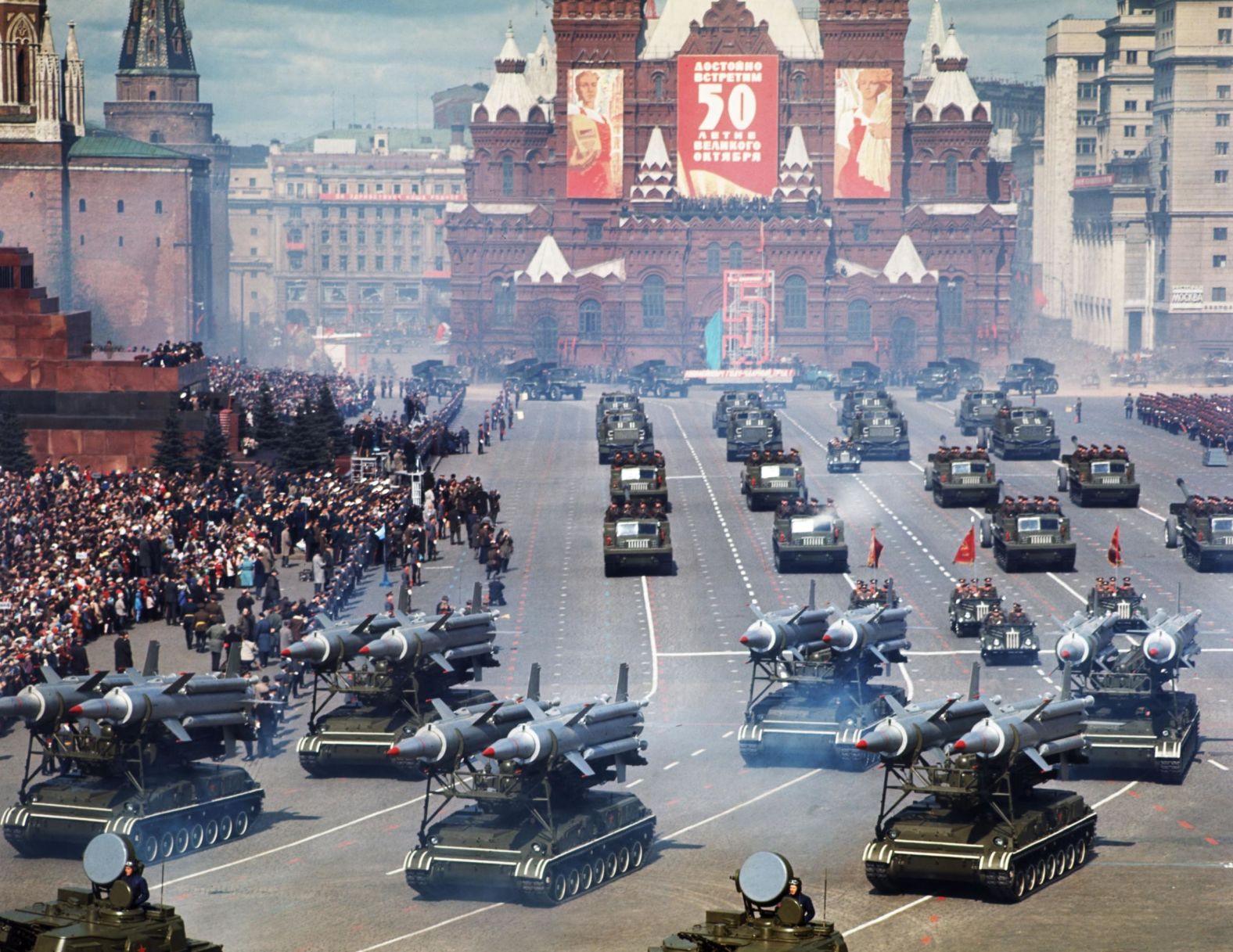
The historical contribution of Soviet assistance to Pakistan Steel Mills can become a foundation of industrial cooperation. However, the present challenge is that Pakistan needs investment and technology partnerships that improve industrial productivity, strengthen domestic capacity and create opportunities for local employment. Potential areas include steel production, engineering, mining, agricultural processing, pharmaceuticals and industrial machinery. These sectors should be assessed on the basis of commercial feasibility, financing requirements, technology needs and long-term returns. Neither side should assume that historical cooperation automatically guarantees the success of future projects.
In August 2026, Pakistan and Russia discussed expanding cooperation in agriculture and livestock, including access to modern agricultural machinery, making agriculture another promising area. Pakistan requires more efficient machinery, improved seed varieties and modern techniques to strengthen productivity and manage rising production costs. Russia’s agricultural and agrochemical capabilities could support these objectives through technical cooperation, research and investment. More recently, discussions with Russian agricultural company Schelkovo Agrohim in October 2026 explored seed development, crop protection, local production, technology transfer and joint investment opportunities. Importantly, the stated objective included moving beyond the import of finished products towards local production and research cooperation. This is the kind of approach Pakistan should pursue across other sectors as well. Cooperation should strengthen domestic capabilities rather than create another long-term dependence on imported products.
The Case for Technological Cooperation
Technology is another area where both countries could expand their engagement. Pakistan’s growing information technology sector offers opportunities for collaboration in software development, artificial intelligence, cybersecurity, digital services and research. Russian technological expertise, combined with Pakistan’s expanding pool of IT professionals, could create opportunities for joint ventures and access to new markets.
A Pakistan–Russia IT collaboration webinar organised in November 2026 by the Pakistan Software Export Board, in collaboration with the University of World Civilizations Moscow, brought representatives of the two countries’ technology sectors together to discuss market access and joint solutions. Such initiatives are useful, but their value will ultimately depend on their lead to sustained business-to-business engagement. Regular exchanges between technology companies, joint research initiatives, professional training and practical commercial partnerships would provide a stronger basis for cooperation than occasional meetings.
Removing the Barriers to Economic Engagement
The greatest obstacle is the difficulty of conducting business between the two countries. Banking channels, payment arrangements, letters of credit, transport costs, visa procedures and access to reliable market information all influence whether businesses consider bilateral trade worthwhile. Sanctions-related financial and compliance risks add another layer of complexity, particularly for banks and companies dealing with Russian entities. These concerns cannot simply be dismissed through political assurances. Businesses require transparent payment arrangements and transaction-specific legal and financial assessments before committing to cross-border activity. Therefore, the private sector must become a more active participant in bilateral engagement. Governments can negotiate agreements and establish institutional mechanisms, but companies are the ones that ultimately determine whether trade and investment projects are commercially viable. Business forums should move beyond networking towards identifying partners, resolving operational problems and facilitating actual transactions.
Turning Diplomatic Understanding into Economic Results
Pakistan and Russia have made progress in building a more constructive relationship. Their economic engagement, however, requires greater ambition and more consistent implementation. The proposed areas of cooperation are relevant to the development priorities of both countries, but opportunities alone do not constitute an economic partnership.
Pakistan should approach Russia as a potential partner in trade diversification, industrial development and technological advancement, while ensuring that every proposed arrangement serves its domestic economic interests. In turn, Russia has an opportunity to strengthen its position in South Asia through a more balanced commercial relationship with Pakistan.
The next stage should focus on practical outcomes. Improved market access, reliable payment mechanisms, technology transfer, private-sector participation and commercially viable investment projects would give bilateral relations a stronger economic foundation. Diplomatic engagement has created space for cooperation. It is now up to both governments and their business communities to make that space productive. A stronger Pakistan–Russia relationship will not be measured by the number of meetings held or agreements signed, but by the trade generated, industries strengthened, technologies exchanged and opportunities created for their people. That is the transition both countries should pursue.

Sherzimah Akbar
Sherzimah Akbar is a Research Officer at the South Asia Times and graduated from International Islamic University, Islamabad. Her research interests include Indian defense and military modernization, maritime strategy, South Asian security, India–Pakistan relations, and the Indo-Pacific.