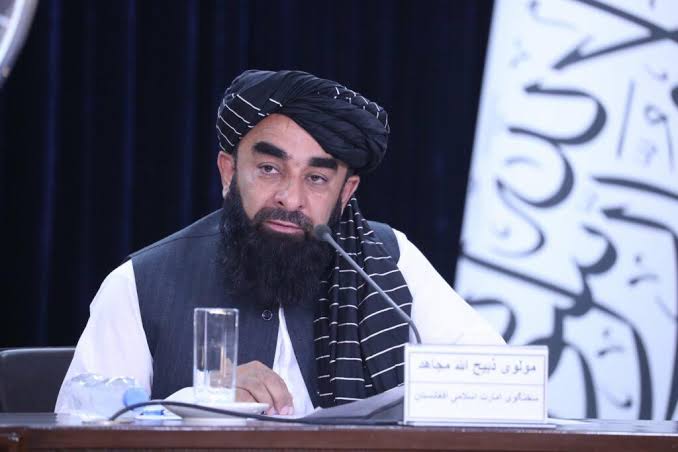
Zabihullah Mujahid, the Taliban’s chief mouthpiece, now insists that ISIS has been wiped out of Afghanistan and that Pakistan is the one sheltering and sustaining the group. It is a brazen falsehood, delivered by the spokesman of a regime that has turned its own soil into a sanctuary for militants.
The record speaks against him. Report after report from the UN Security Council’s Monitoring Team places ISKP’s strength inside Afghanistan at roughly 2,000 fighters. The group operates from hubs in Kunar and Nangarhar, along with Helmand. As Daesh lost its footholds in Syria, battle-hardened militants began relocating to Afghanistan. Even the Taliban’s own foot soldiers, left out when jobs and salaries were handed out, have drifted into ISKP’s ranks, swelling its numbers. UN monitors go further, assessing that ISKP has burrowed deep into Taliban structures and that Kabul has shown neither the ability nor the will to shut down terrorist sanctuaries.
That is the real face of Mujahid’s Afghanistan: a breeding ground for terror and a staging post for ISKP. His regime raises militants, protects them and sends them across borders, then turns around and blames Pakistan for the fire it lit.
Mujahid speaks not for a state but for a failed regime that hides terrorists behind official statements. He is a propagandist, and nothing he says deserves to be taken seriously.

SAT Commentaries, a collection of insightful social media threads on current events and social issues, featuring diverse perspectives from various authors.