
Playing the Victim: How the Taliban Endorse and Amplify Online Propaganda Against Pakistan
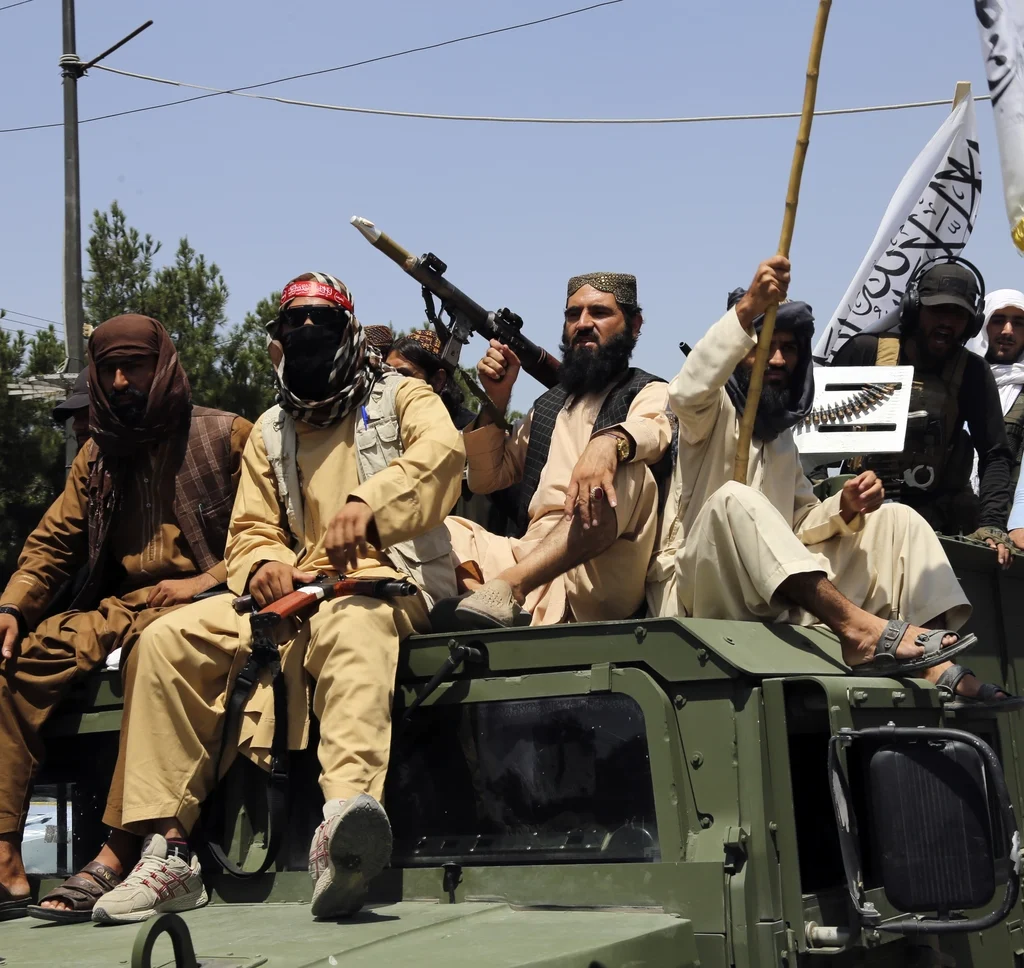
Following the October 2025 border clashes, the Taliban have shifted their battlefield online, using propaganda, selective history, and digital disinformation to paint Pakistan as the aggressor. Through controlled media releases, colonial-era references, and victimhood narratives, Kabul seeks to manipulate regional perception and deflect blame for its own failures.
The Terrorist Ecosystem
“The critical evidence was not that he was in Afghanistan, but where. Al-Zawahiri was not hiding…He was living comfortably in a safe house…This location, teeming with Taliban security, implies high-level protection, not an intelligence failure.”
The Indo-Afghan Arc: Rewriting Pakistan’s Strategic Geography
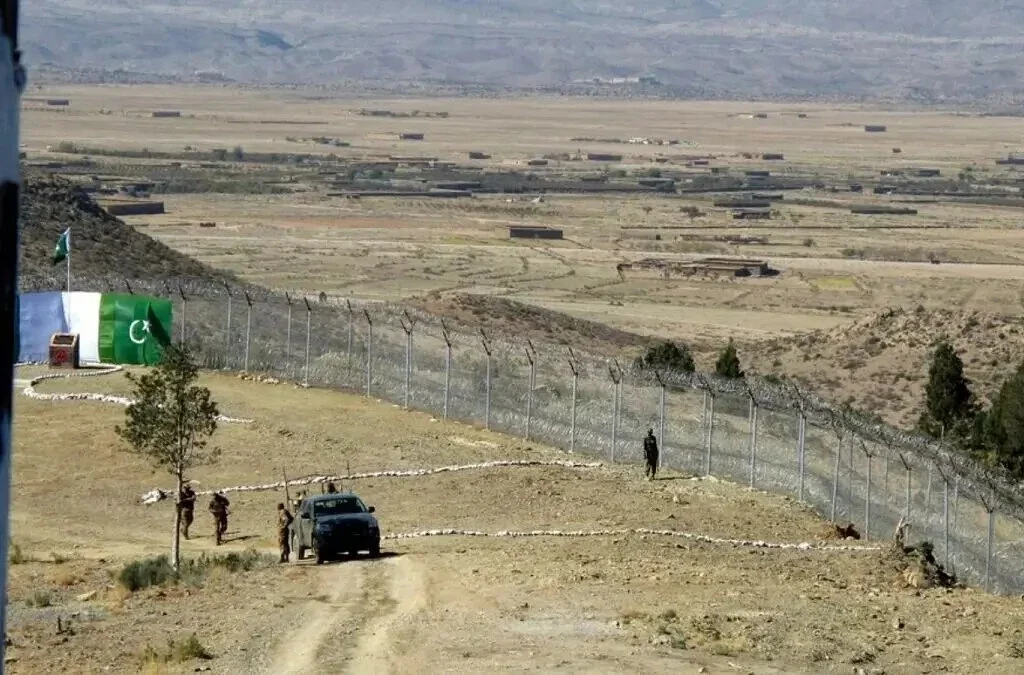
The deepening India-Afghanistan engagement marks a new strategic era in South Asia. Beneath the façade of humanitarian cooperation lies a calculated effort to constrict Pakistan’s strategic space, from intelligence leverage and soft power projection to potential encirclement on both eastern and western fronts. Drawing from the insights of Iqbal and Khushhal Khan Khattak, this analysis argues that Pakistan must reclaim its strategic selfhood, strengthen regional diplomacy, and transform its western border from a vulnerability into a vision of regional connectivity and stability.
Zabihullah Mujahid’s Rhetoric and the Reality of Pakistan-Afghanistan Relations
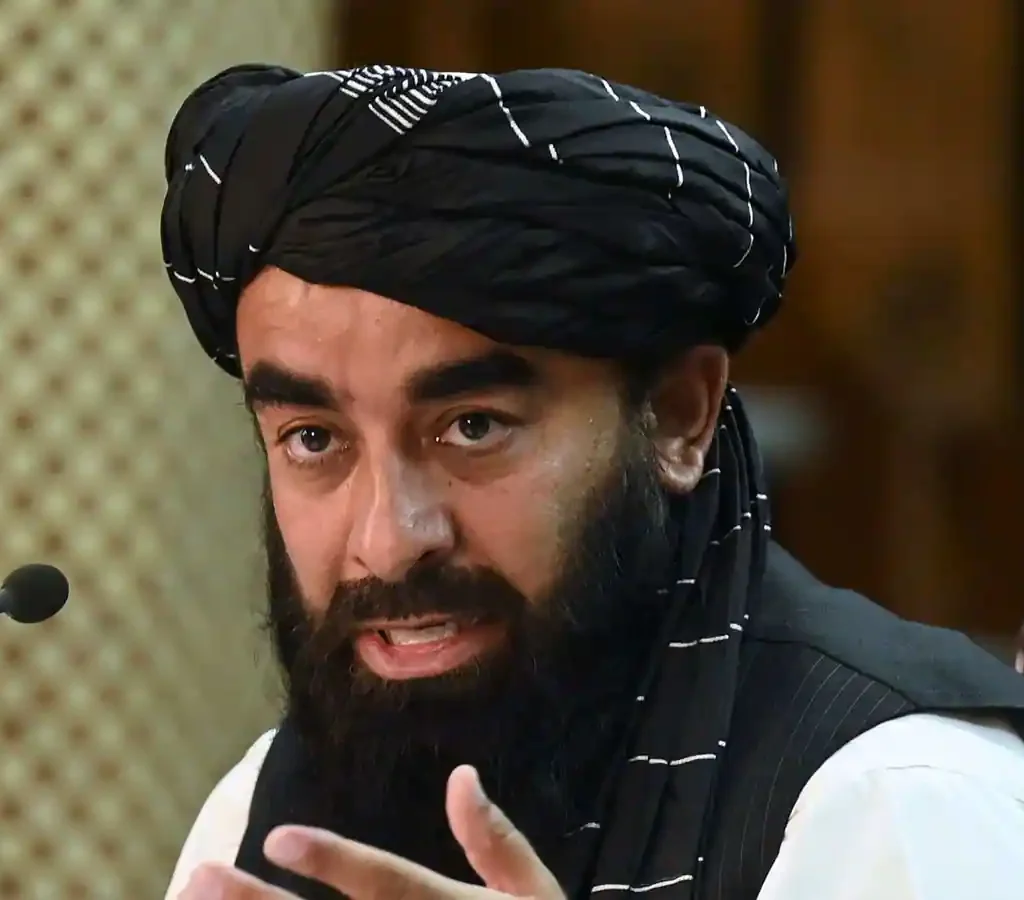
Recent statements by Taliban spokesperson Zabihullah Mujahid attempt to shift blame for strained Pakistan-Afghanistan ties onto Islamabad. Yet the real source of tension lies in Kabul’s refusal to dismantle terror networks like the TTP and BLA operating freely from Afghan soil—a failure that continues to endanger regional peace and Pakistan’s security.
Inside the Istanbul Talks: How Taliban Factionalism Killed a Peace Deal
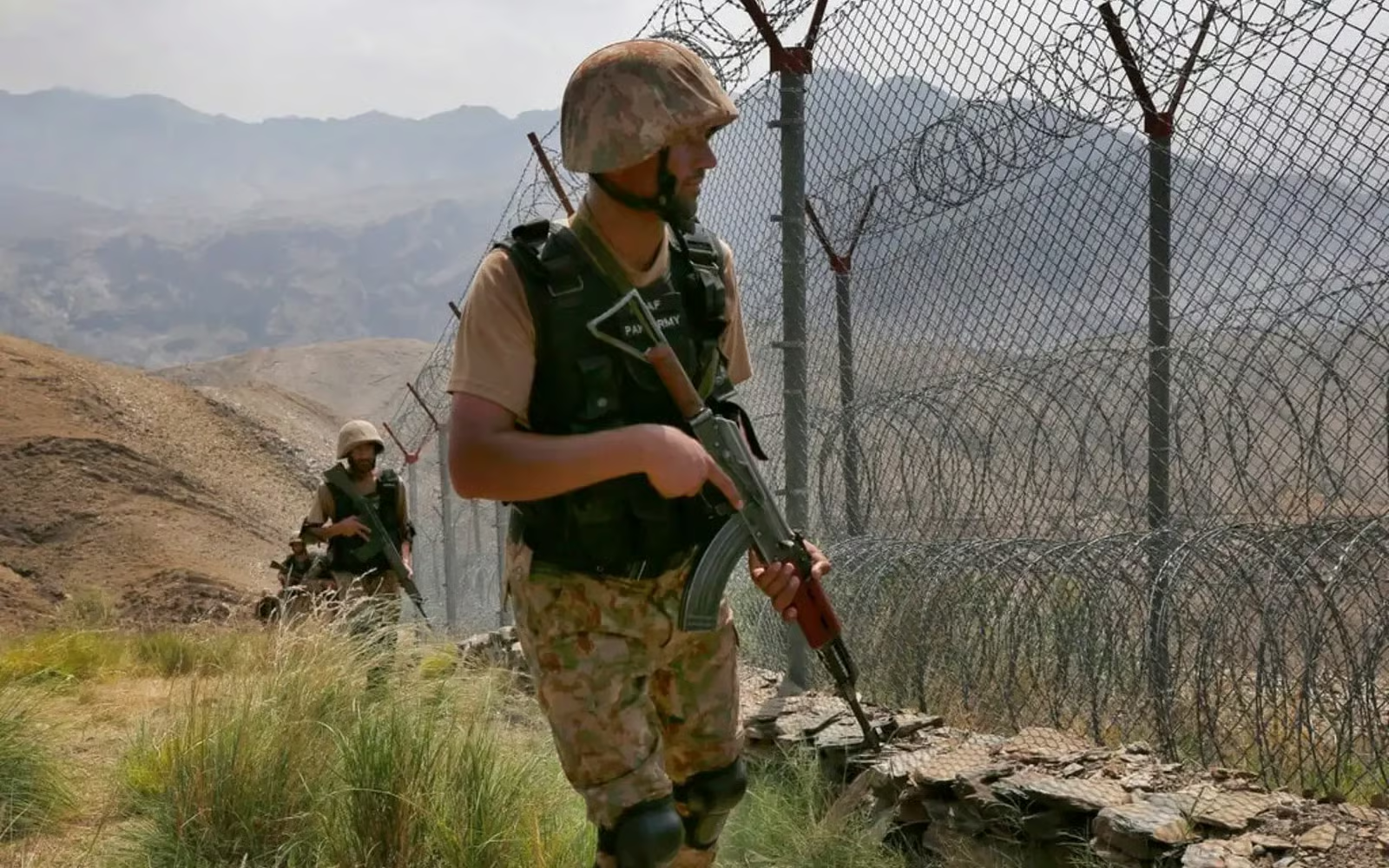
The collapse of the Turkiye-hosted talks to address the TTP threat was not a diplomatic failure but a calculated act of sabotage from within the Taliban regime. Deep factional divides—between Kandahar, Kabul, and Khost blocs—turned mediation into chaos, as Kabul’s power players sought to use the TTP issue as leverage for U.S. re-engagement and financial relief. The episode exposed a regime too fractured and self-interested to act against terrorism or uphold sovereignty.
When Insurgents Rule: The Taliban’s Crisis of Governance
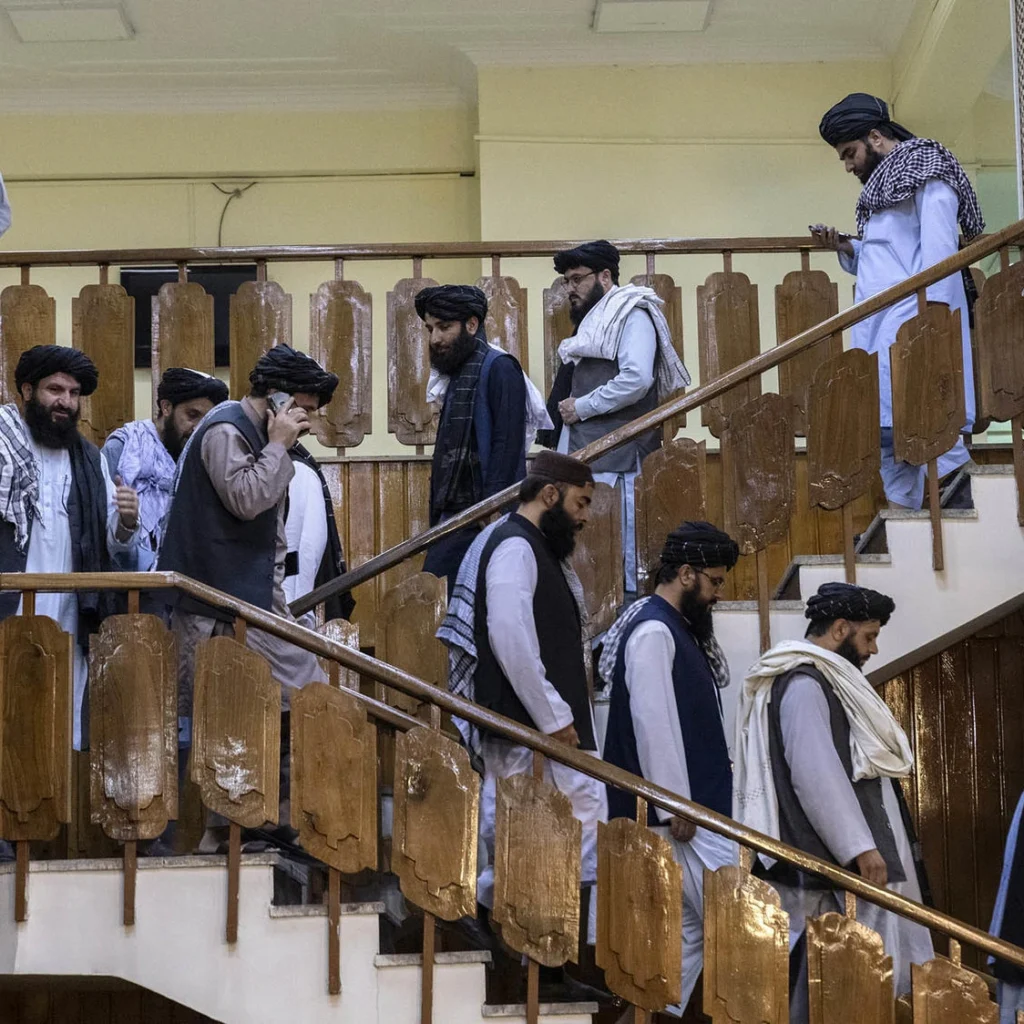
The Taliban’s confrontation with Pakistan reveals a deeper failure at the heart of their rule: an insurgent movement incapable of governing the state it conquered. Bound by rigid ideology and fractured by internal rivalries, the Taliban have turned their military victory into a political and economic collapse, exposing the limits of ruling through insurgent logic.
What is Durand Line?
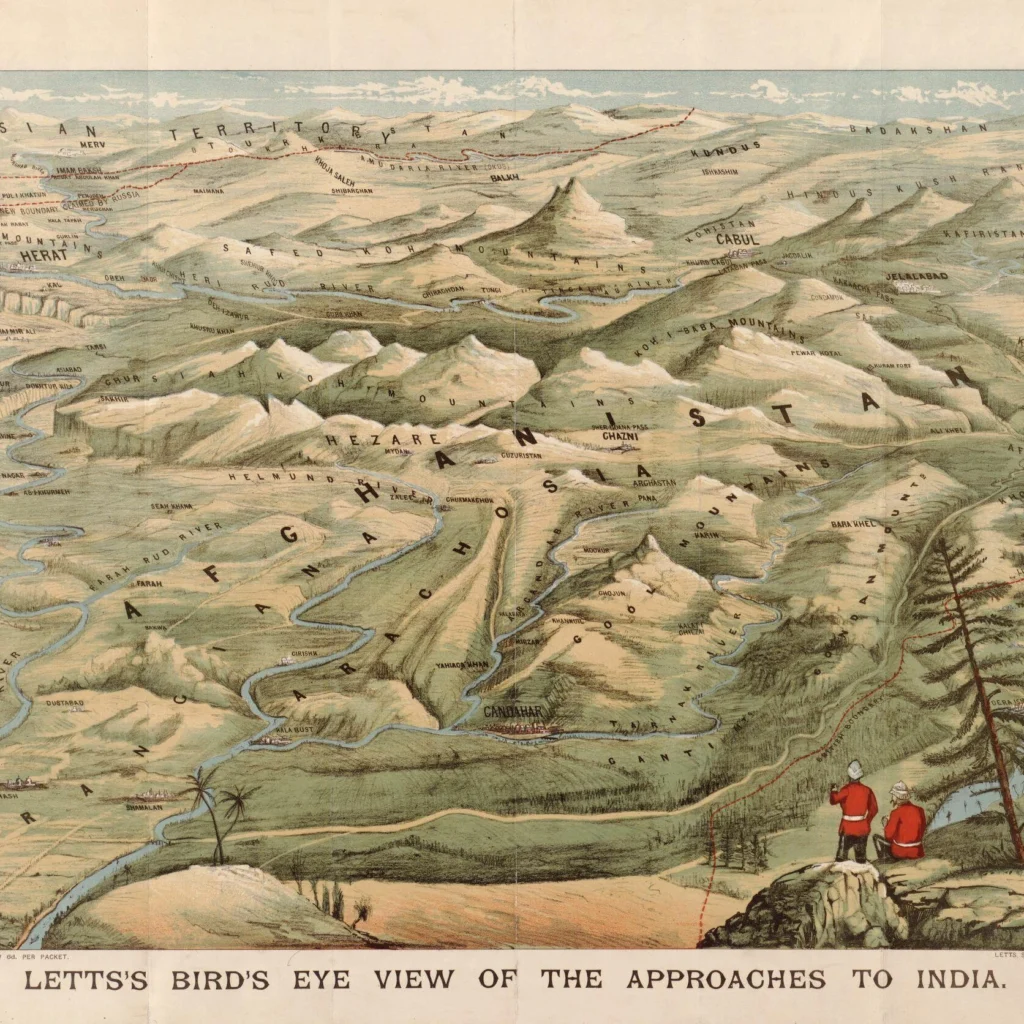
The Durand Line, a 2,670-kilometer border drawn in 1893 between Afghanistan and British India, remains one of South Asia’s many contentious frontiers. Rejected by every Afghan government but recognized internationally, it symbolizes the region’s colonial legacy and ongoing power struggles. This backgrounder explores its origins in the Great Game, the legal and political controversies surrounding it, and its lasting impact on Pakistan-Afghanistan relations and regional security.
Can war against terror be won without political consensus?
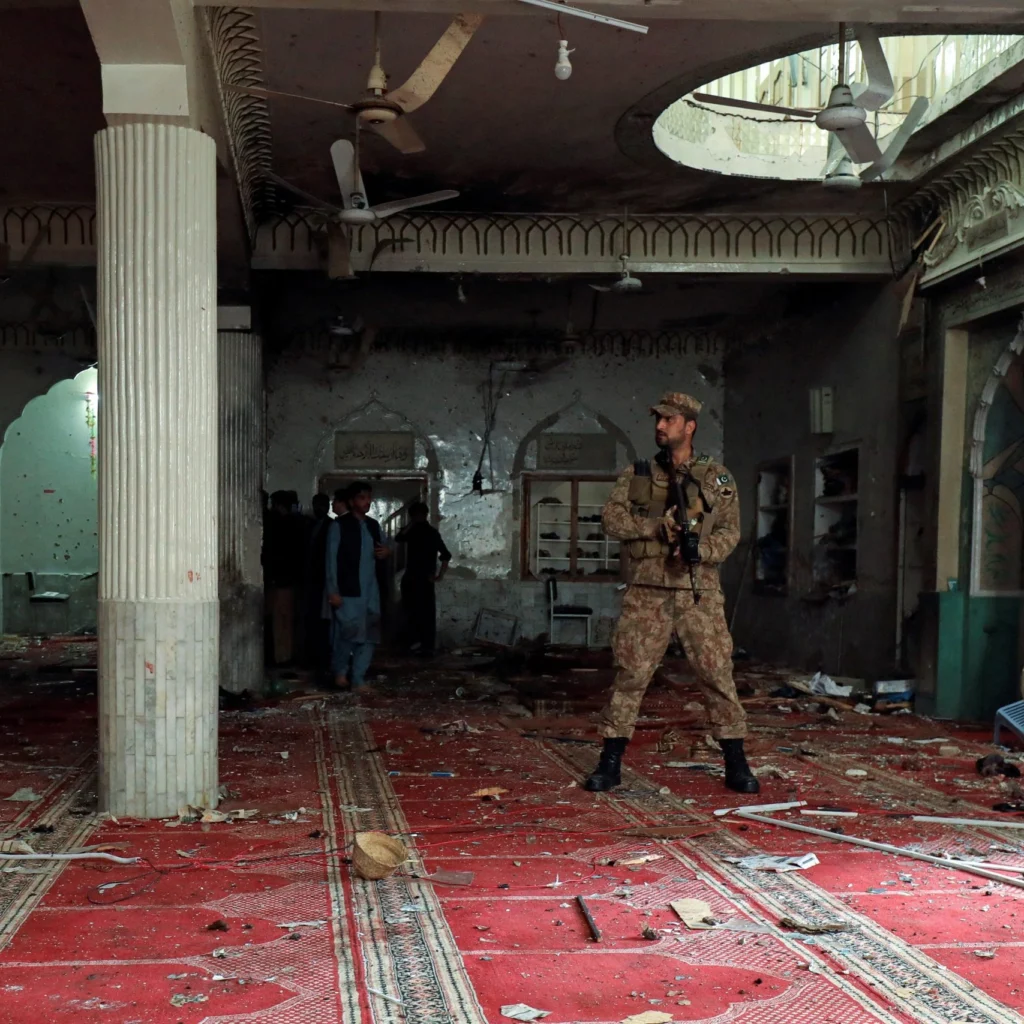
For over two decades, Pakistan has battled the scourge of terrorism. Yet, despite military successes, the absence of political consensus continues to jeopardize lasting peace. As divisions deepen and populist narratives gain ground, the question remains: can Pakistan truly defeat terror without unity at the top?
The New Normal: End of Pakistan’s Strategic Restraint
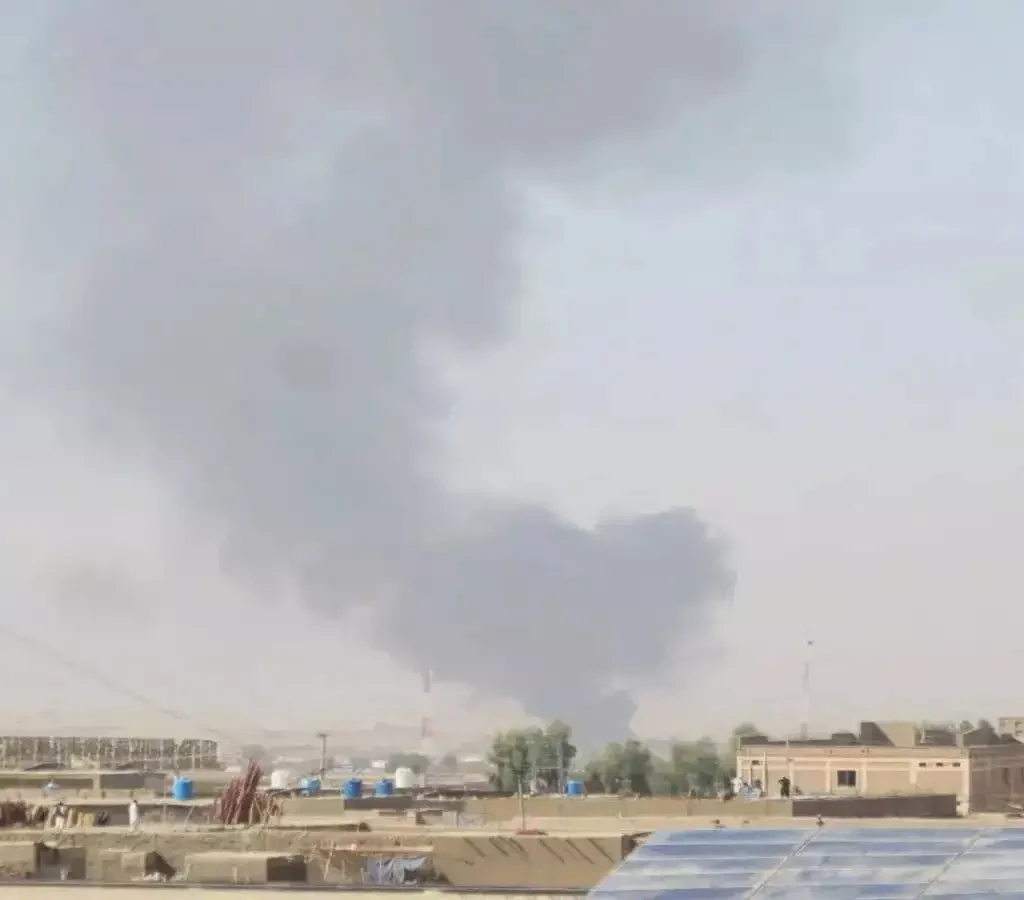
Any hope surrounding the Pakistan–Afghanistan dialogue in Doha is colliding with renewed violence and mutual distrust. Pakistan’s recent precision strikes in Paktika, following a shattered ceasefire and terrorist attacks, signal a shift toward active defense. The talks now hinge on whether Kabul can curb militant sanctuaries and move beyond its victim narrative.
The Long War: The Historical and Ideological Roots of the Pakistan–Taliban Showdown
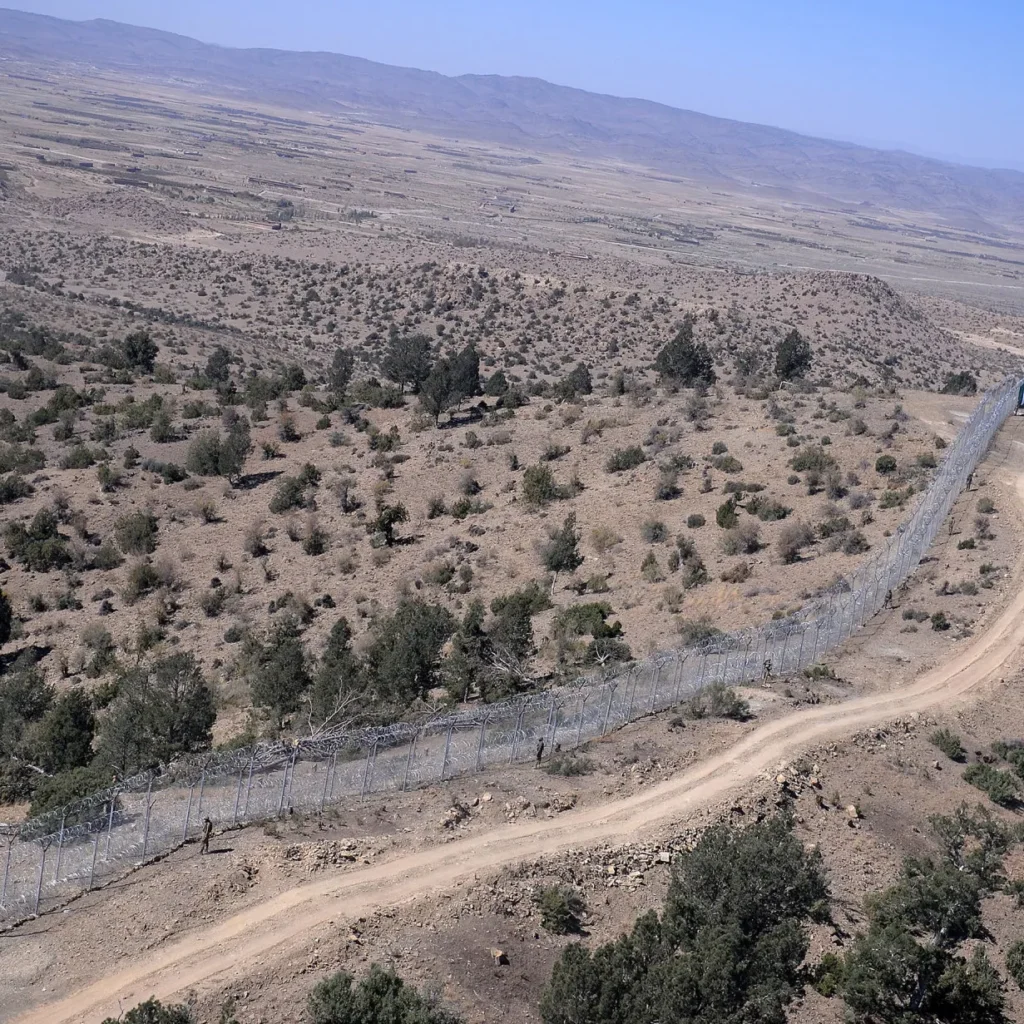
A tenuous ceasefire between Pakistan and Afghanistan’s Taliban regime has halted hostilities for now, but the calm conceals deeper fissures rooted in history, ideology, and regional rivalries. As cross-border tensions resurface, the decades-old dispute over the Border, the Taliban’s harboring of TTP militants, and India’s quiet re-entry into Kabul are reshaping South Asia’s most volatile frontier.