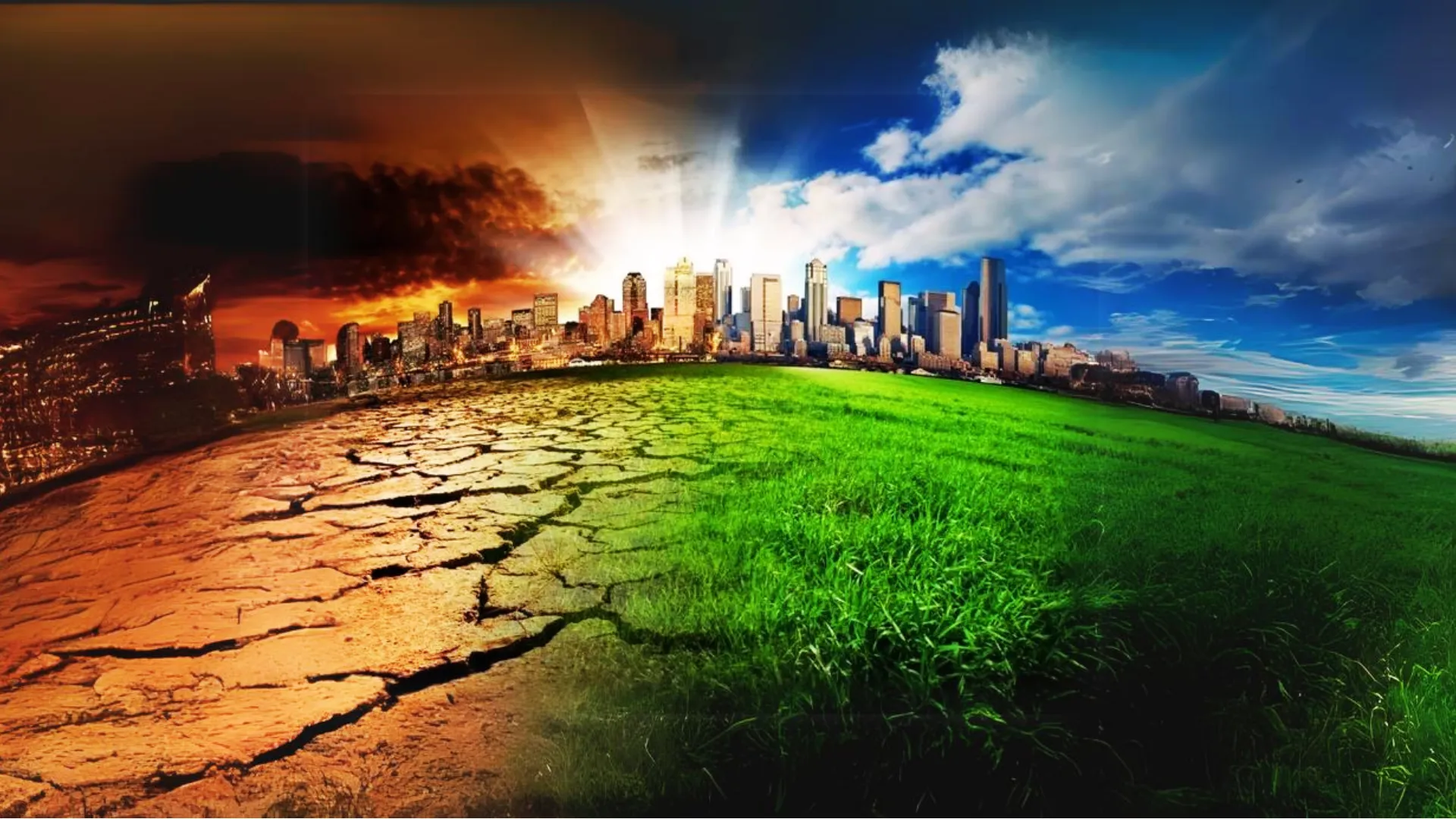
Extreme weather events are becoming frequent and intense due to climate change. This has a direct impact on food insecurity. South Asia is more prone to climate change-induced food insecurity. This is due to its high population density, restricted access to resources, and heavy reliance on agriculture. According to the latest Food and Agriculture Organization (FAO) report, more than 1 billion people in South Asia are facing moderate to severe food insecurity. Rising temperatures from the El Niño climatic phenomenon are causing uncertainty in weather patterns. This uncertainty is impacting the quality and quantity of food crops.
According to a recent report by World Food Programme, Pakistan and Afghanistan, two countries in South Asia, are at high risk of becoming the world’s “hunger hotspots” from June to November 2023.
Nearly 26 million people in Afghanistan and Pakistan are suffering from acute food insecurity due to extreme droughts triggered by climate change.
Climate Change and Changing Agricultural Patterns
Climate change is causing significant disturbances in meteorological trends that affect farming methods in South Asia. It manifests through atypical weather phenomena such as droughts, heat waves, floods, and other anomalous weather patterns. For example, the massive floods of 2022 in Pakistan wiped out 1.7 million hectares of agrarian land and 800,000 heads of livestock. This disaster pushed millions of rural households into poverty and food insecurity.
The irregularity of precipitation poses a significant challenge for farmers. Alterations in the temporal distribution of monsoons and fluctuations in precipitation strength present a potential hazard to traditional farming methodologies. These changes disrupt crop cultivation timetables.
The lack of precision in weather predictions harms agricultural productivity and poses a challenge for farmers in terms of scheduling their crop cycles.
Elevated temperatures can induce heat stress, which can impede crop growth, flowering, and productivity. This was witnessed in the case of India, currently the world’s second-biggest wheat maker, restricting the export of wheat products in 2022, to fight off deficiencies that caused a spike in costs all over the world.
South Asia is no stranger to natural disasters such as droughts, floods, heat waves & cyclones. Nevertheless, their occurrences and intensity are growing more frequently as a direct result of global warming.
According to Office for the Coordination of Humanitarian Affairs (OCHA) the recent massive cyclone Mocha badly hit the agriculture and fishery sectors of Bangladesh and Myanmar, causing a severe loss of assets crucial for livelihoods and posing a longer-term threat to food security.
The lower levels of agricultural output and productivity trace back to the detrimental effects of climate change on farming operations. Due to the high number of people who rely on agriculture as their primary source of income, the region’s capacity to produce sufficient quantities of food to satisfy demand is at risk. To avoid the negative effects of environmental risks and ensure food security, South Asia needs to adapt agricultural practices to the changing conditions.
Water Scarcity and Irrigation Challenges
The depletion of water resources is posing significant challenges for farmers in this region. Population growth is one of the main factors in the growing problem of freshwater scarcity. Furthermore, the phenomenon of climate change intensifies the issue of water scarcity, primarily as a result of alterations in precipitation patterns and amplified rates of evaporation. In a recent research groundwater depletion in India is expected to grow up to 75% by 2050 and Pakistan’s total water demand is expected to increase from 163 km3 to 225 km3 by 2015 to 2050 respectively.
South Asian countries widely use both groundwater and rain-fed irrigation to fulfill the water requirements of agricultural land. But many of the current irrigation systems don\’t utilize water most effectively. This results in either using more water than is necessary or not having enough water to maintain healthy crops.
The South Asian agricultural sector relies heavily on consistent access to water, and implementing effective water governance frameworks and policies is imperative.
This entails providing assistance to water-related infrastructure, promoting cooperation among pertinent stakeholders, and fostering water-saving practices. The issue of water scarcity and reduced agricultural productivity resulting from climate change necessitates a comprehensive strategy that integrates novel technologies, policy modifications, and civic engagement.
Conclusion
Climate change seriously threatens South Asia’s food security by impacting agricultural productivity, livelihoods, and food supply. The difficulties worsen due to a lack of water, shifting weather patterns, and catastrophic events. It is essential to put in place climate-smart agricultural practices, develop climate information systems, better water management, diversify livelihoods, and reinforce policy frameworks to address these concerns. To maintain robust and sustainable food production in the face of climate change, regional cooperation and quick action are required.
The views expressed in this article are the author’s own. They do not necessarily reflect the editorial policy of the South Asia Times.

Iqra Naseer, MPhil in Environmental Science from Quaid I Azam University, Islamabad, is a Research Fellow at South Asia Times (SAT). Passionate about academic pursuits, she specializes in leveraging digital platforms to disseminate research effectively. She can be reached on X (formerly Twitter) at @iqraqazi7.