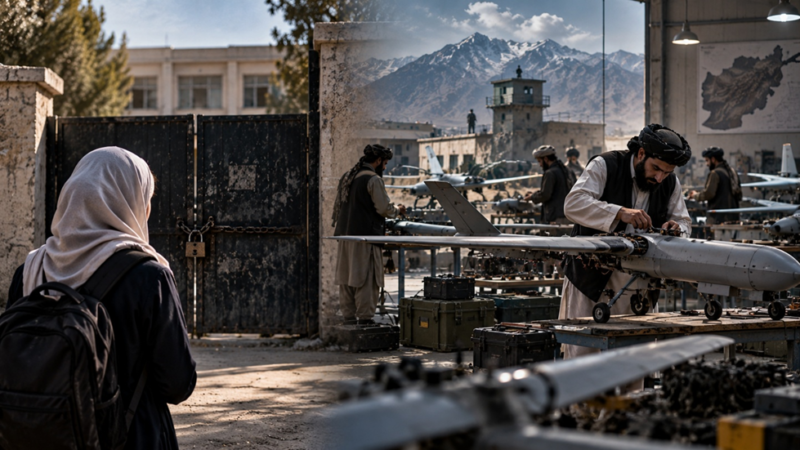
On Friday, October 9, Pakistan International Airlines suspended its Riyadh flights after Houthi attacks on Saudi aviation facilities. Across Pakistan, 42 flights to Saudi Arabia were cancelled. The cancellations affected Pakistan’s biggest overseas job market. In 2025 alone, Saudi Arabia received 530,256 Pakistani workers. Saudi markets offer lucrative jobs for the unemployed young population of Pakistan.
The money follows the workers. Remittances in Pakistan reached a record high of $41.6 billion in FY26, rising by 9 percent. Saudi Arabia sent $9.78 billion, and the UAE sent $8.8 billion. Combined, the two make up roughly 45 percent of the total, or $18.6 billion. This inflow contributed to 3.7 percent economic growth.
The exposure runs wider than two countries. Around 6 million Pakistani workers are in the Middle East, and the region generates over 50 percent of remittances, according to the Pakistan Institute of Development Economics (PIDE). The study found almost 90 percent of documented migrant workers have been sent to the Gulf Cooperation Council countries in the last ten years. Saudi Arabia’s share keeps rising. It accounted for more than 70 percent of overseas job registrations in the first half of 2025. This month, the most relied-upon destination by Pakistanis was attacked. The current situation illustrates the need to diversify the destinations for workers and a plan for those who return.
So far, the numbers are encouraging. Remittances closed the year at a record. Between January and May, over 300,000 Pakistanis emigrated to work in the Middle East, with 143,586 of them heading to Saudi Arabia. UAE inflows increased by 12.5 percent.
But a strong year does not show how exposed the system is. Stress arrives slowly, through hiring decisions and contract renewals. Some 500,000 additional workers would not be able to move in 2026 if the conflict continues, while a comparable number of migrants would be compelled to go back home, according to estimates by PIDE. A column in The News put a number on a smaller shock. It suggests that a 10 percent reduction in the number of workers in the Gulf would take $3 billion to $4 billion a year out of remittances. Both are approximations, not forecasts, showing the scale of the risk.
There are also other markets that are expanding. Remittances from the EU reportedly increased by 15 percent to $5.23 billion, while those from Australia increased by 37.4 percent to $1.14 billion. The UK remitted $6.33 billion. Inflow of labor to these areas continues to be low. Between 2023 and August 2025, Japan took 4,488 Pakistani workers while South Korea brought in 2,330. During the first half of 2025, Germany took 523. The difference is obvious compared with 242,337 sent to Saudi Arabia in the same half-year. Workers are drawn to the Gulf in large numbers, sending back a significant proportion of wages. Remittances from the small number of skilled migrants to Europe and East Asia grow slowly. Germany will not replace Riyadh. So, the aim is to build second and third destinations large enough to support remittances in a bad year.
Three steps follow these numbers. First, link training to named demand abroad. Japan runs technical workforce programs, and South Korea recruits through the Employment Permit System. Pakistan’s training institutes should teach the trades and the language skills those programs require, so the small numbers grow in a few years. Second, prepare the return plan. Specific reintegration programs and support portals for workers returning home, as suggested by PIDE, offer a robust solution. Deciding in advance what the state will provide for income support and job placement once a certain percentage of workers return will save the state from a sudden burden. Third, press Gulf governments for stronger worker protection. PIDE calls for strengthening diplomatic engagement on workers’ rights. Islamabad’s defense cooperation commitments with Saudi Arabia give it standing to raise such issues.
Critics will say Gulf demand is structural, and Saudi infrastructure projects keep hiring. This is true, and marginal diversification does not alter this reality. The state does not determine wages, and workers also seek out the highest-paying markets. But the state does control training and recruitment agreements. Diversification is slow, so it is best to get started in a record year.
The first warning signs would show in numbers Pakistan already publishes. A prolonged war would cut the outflow of new workers first, as PIDE expects, and the Bureau of Emigration publishes departures by destination. The State Bank publishes remittance inflows monthly. A drop in Saudi departures, or in monthly inflows, would mark the start of the shock PIDE describes. Until then, Pakistan holds a record year of inflows, and Dawn reports 92 percent of it went to consumption, reaching home budgets first.

Fakeha Laique
Fakeha Laique is a bachelor’s graduate in International Relations from BUITEMS, Quetta, and a young researcher with a growing focus on international relations, regional dynamics, and security issues in South Asia.