
Misframing Militancy: Al Jazeera’s Policy Tilt Against Pakistan
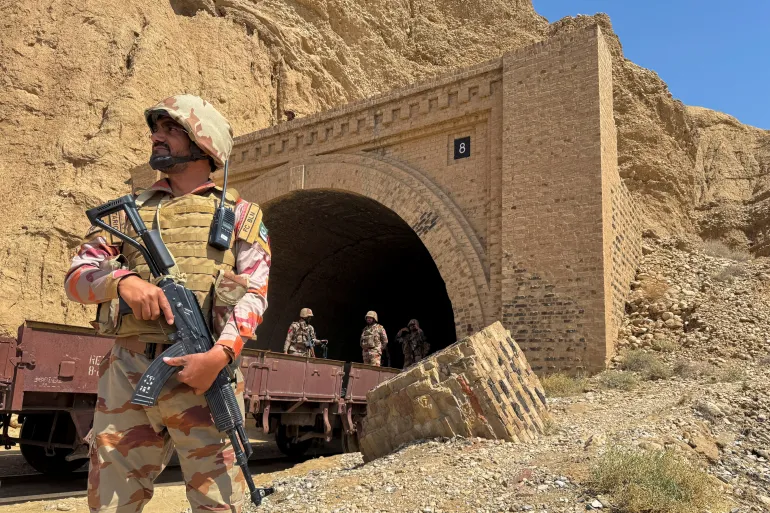
Al Jazeera’s reporting on Pakistan has consistently shifted to favor narratives sympathetic to outlawed militants, including the BLA and TTP, normalizing violence under the guise of political grievance and undermining Pakistan’s counter-terrorism efforts.
Civic Space, Identity Politics, and Minority Rights in Contemporary India: From Domestic Strains to Regional Perceptions

Civic Space, Identity Politics, and Minority Rights in Contemporary India: From Domestic Strains to Regional Perceptions Janurary 30, 2026 Online Ms. Dilawaiz Tabessum Share 20 Janurary 2025 Friday Roundtable Event South Asia Times Inqueries: info@southasiatimes.org Key Participants: Dr. Shabana Fayyaz Dr. Salma Malik Dr. G. M. Pitafi Mr. Usama Khan Background and Context: India’s political […]
Nipah Virus and the Dynamics of Regional Biosecurity
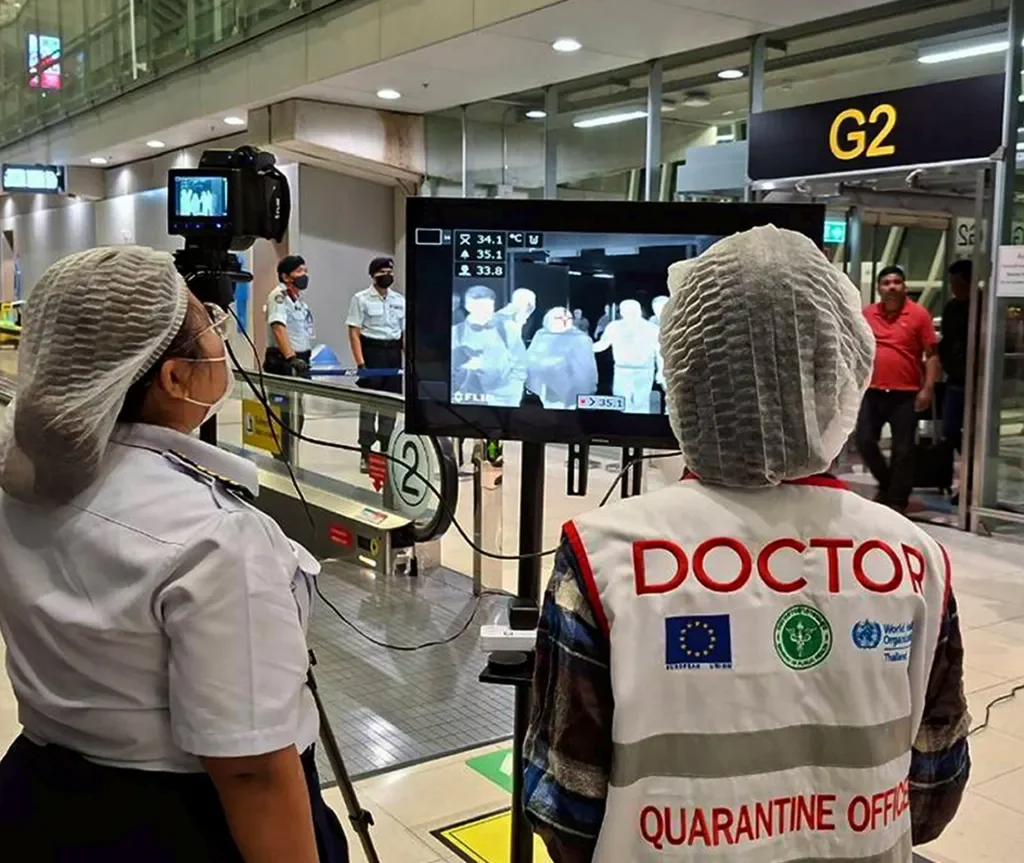
The 2025–2026 Nipah virus cases in India illustrate that high-risk pathogens are not confined by national borders. Through selective disclosure, delayed reporting, and episodic containment, outbreaks compel neighbouring states to implement proactive biosecurity measures, highlighting the strategic significance of regional health governance.
Narrative, Priorities, and the Politics of Selective Outrage
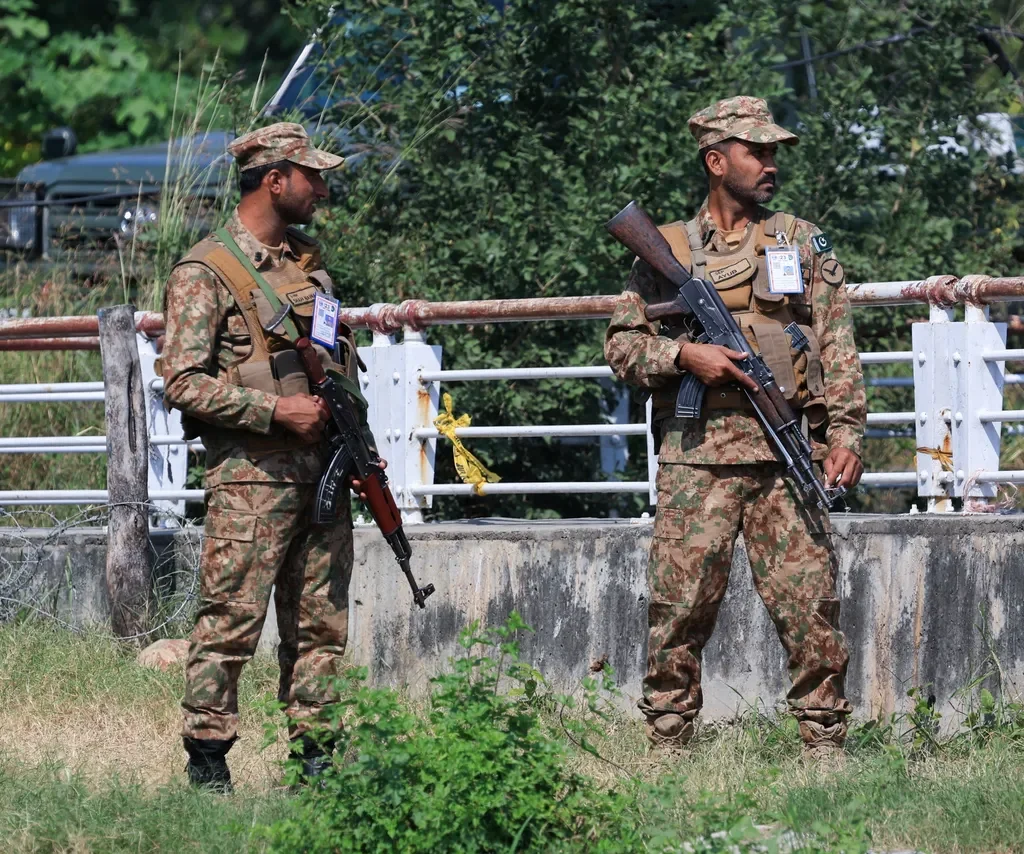
The discourse surrounding Tirah Valley highlights a widening gap between political narrative and humanitarian reality. While propaganda targets security forces, political action reveals where priorities truly lie.
Digital Pakistan: Building a Connected and Inclusive Digital Economy
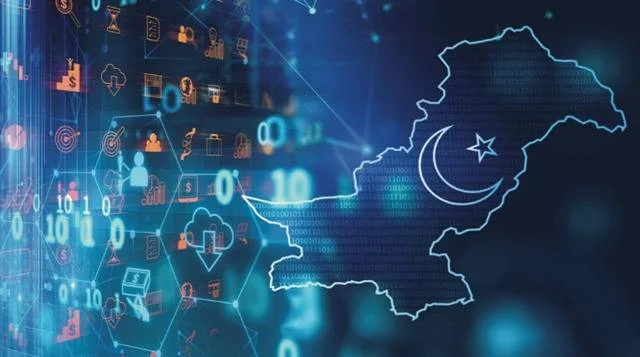
Pakistan’s digital transformation is no longer confined to urban centers. Through satellite broadband, NADRA-enabled governance, and real-time digital payments, the country is bridging geographic divides and embedding technology into the foundations of growth and state capacity.
CPEC 2.0 and Pakistan’s Journey Toward Industrialization and Maritime Growth

CPEC is driving Pakistan’s structural economic transition. By shifting focus from infrastructure to industrialization, value-added manufacturing, and maritime development, Pakistan is integrating into global supply chains and repositioning itself as a regional production hub.
The Empowerment Dividend
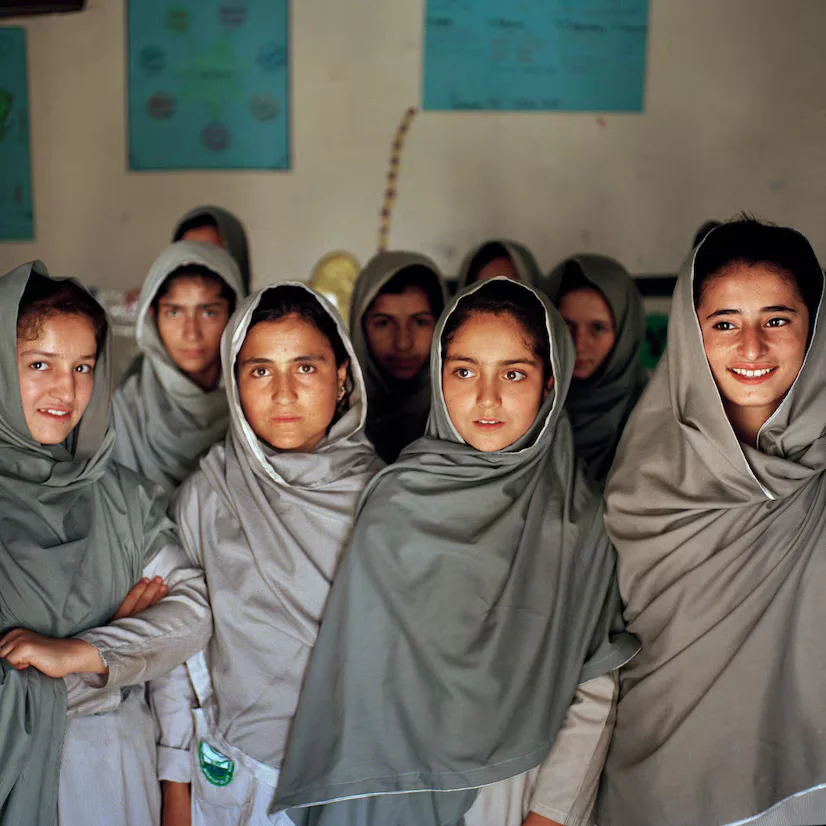
Women’s empowerment in Pakistan is a catalyst for progress, fueling economic growth, innovation, and stronger governance. Empowered women are shaping the nation’s future and driving measurable development gains.
The Operational Reality on Ground.
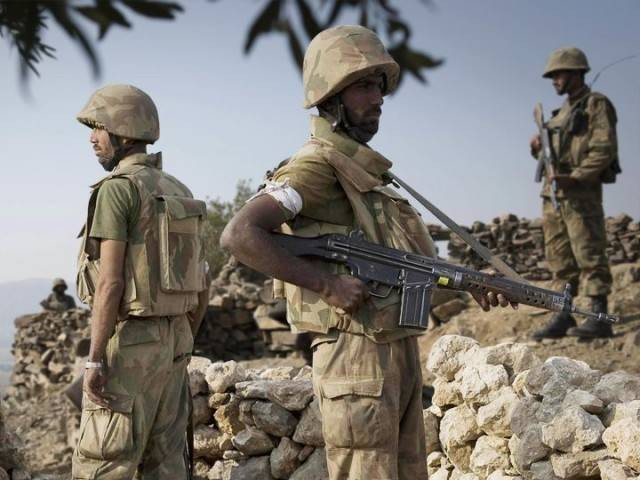
Tirah Valley, long exploited by Kharij networks and their facilitators, has been subjected to sustained intelligence-based operations (IBOs) rather than any conventional military offensive. Grounded in intelligence, community engagement, and the Bagh Joint Action Plan (BJAP), Pakistan’s approach prioritizes civilian protection, targeted neutralization of terrorists, and the restoration of long-term stability, countering persistent propaganda with verifiable facts.
Balochistan’s Youth Empowerment: A Strategic Investment in Stability and Development
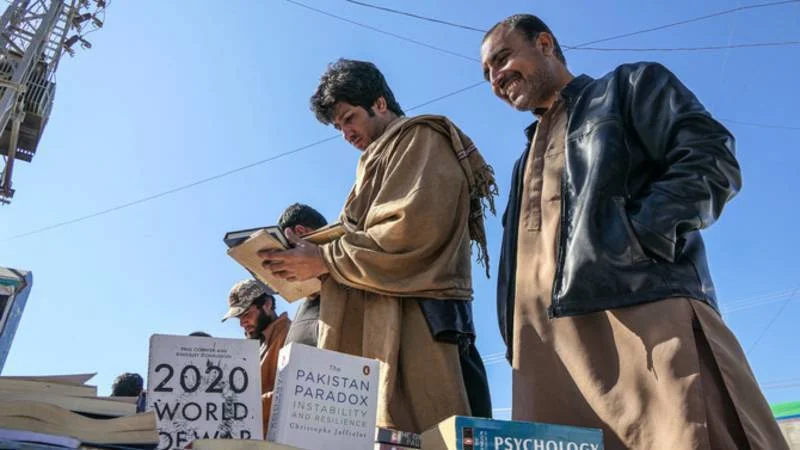
Balochistan is leveraging youth empowerment, education, and infrastructure development as instruments of socio-economic transformation. By combining domestic capacity-building with overseas employment opportunities, the province seeks to address unemployment, prevent extremism, and create pathways toward sustainable growth and stability.