
Democratic Equity over Permanent Privilege at the Security Council
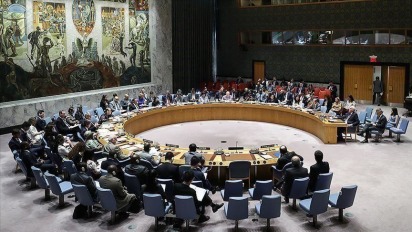
The United Nations Security Council was established in 1945 to maintain global peace following the collapse of the League of Nations. Its initial institutional architecture comprised five permanent members holding veto powers alongside six elected non-permanent seats. That structure expanded only once in 1965 to ten non-permanent seats, bringing total membership to fifteen states. Eight […]
Governance Breakdown and Federal Action in Khyber Pakhtunkhwa
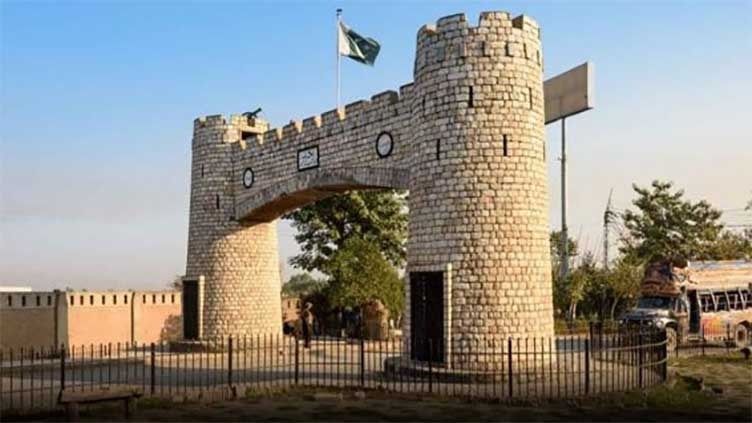
The governance apparatus in Khyber Pakhtunkhwa has reached a point of complete structural collapse. The provincial executive has entirely abandoned public administration, law enforcement, and basic service delivery to pursue a single-minded agenda of political agitation. Systemic corruption has permeated both upper and lower cadres of the bureaucracy, strangling local businesses and driving the common […]
Anti-Taliban Resistance Expands Across Strategic Afghan Provinces
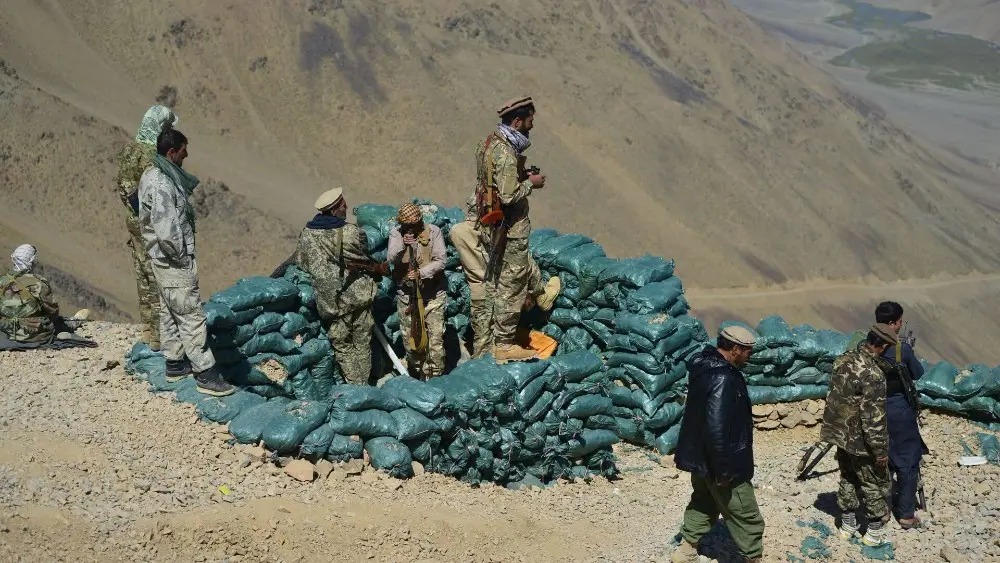
Armed opposition against the Taliban regime is intensifying across multiple provinces as resistance factions execute coordinated attacks against security personnel and intelligence nodes. Factions including the Afghan United Front, Afghanistan Freedom Front, National Independence Front, and National Resistance Front are mounting systematic operations across Badghis, Nangarhar, Kandahar, and Kabul. This expanding operational footprint directly challenges […]
Where Are the Houthis Heading?
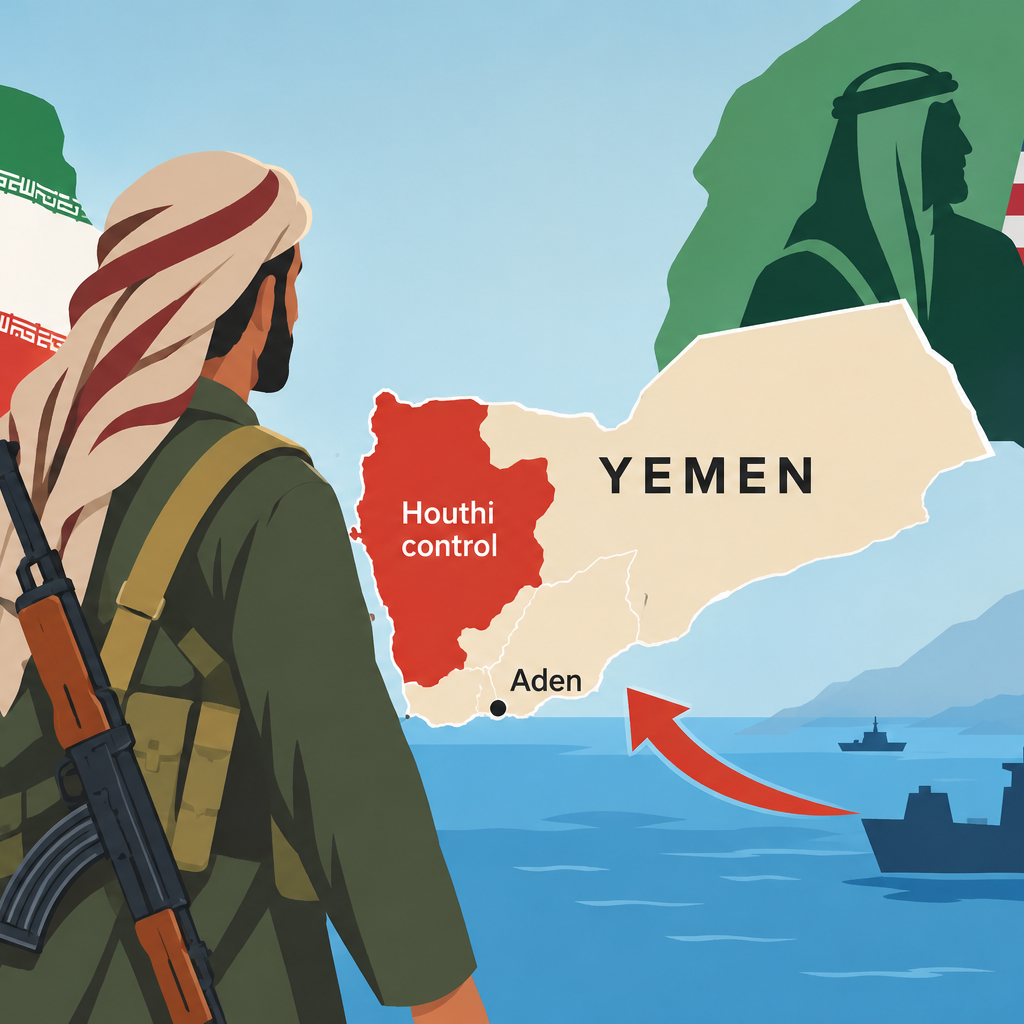
What is the Houthis’ objective? Do they have their own Yemeni project, or are they merely Iranian puppets? What will happen next? These are the questions addressed by Tomáš Strnad, an expert on the Near and Middle East.
India Didn’t Cut Pakistan’s Water. It Cut the Forecast
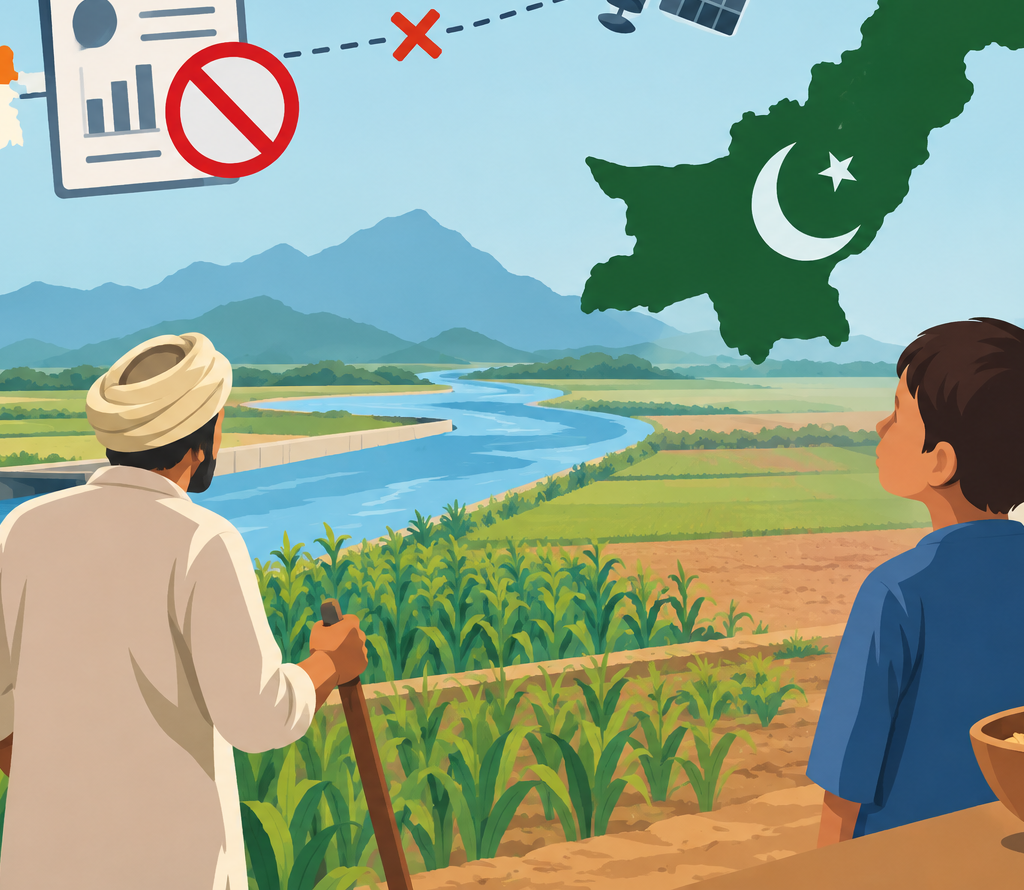
“India Didn’t Cut Pakistan’s Water. It Cut the Forecast” On August 31, the Permanent Court of Arbitration unanimously ruled that the Indus Waters Treaty “remains fully in force” and that India is bound to observe its obligations. The tribunal rejected every ground India has offered for holding the treaty in abeyance since April 2025, be […]
Five Years On, Multi-Front Offensive Reaches the Taliban’s Heartland
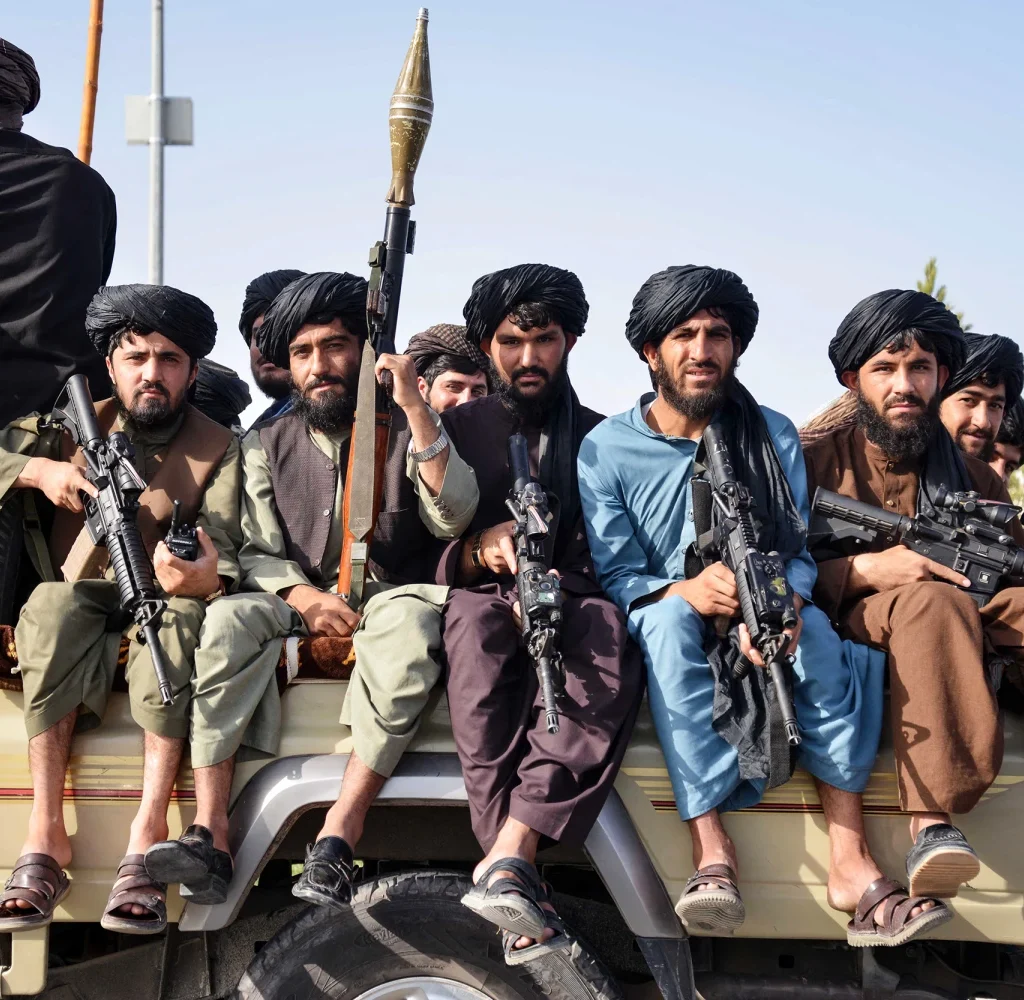
Five years after the Taliban’s return to power, the anniversary has brought not commemoration but escalation. From Badghis to Kandahar, coordinated armed opposition – the Afghanistan United Front (AUF), the Afghanistan Freedom Front (AFF), the National Independence Front, and the National Resistance Front (NRF) – has sharply stepped-up operations against Taliban security personnel, intelligence cadres, […]
Why Pakistan’s Administrative Map Needs Redrawing
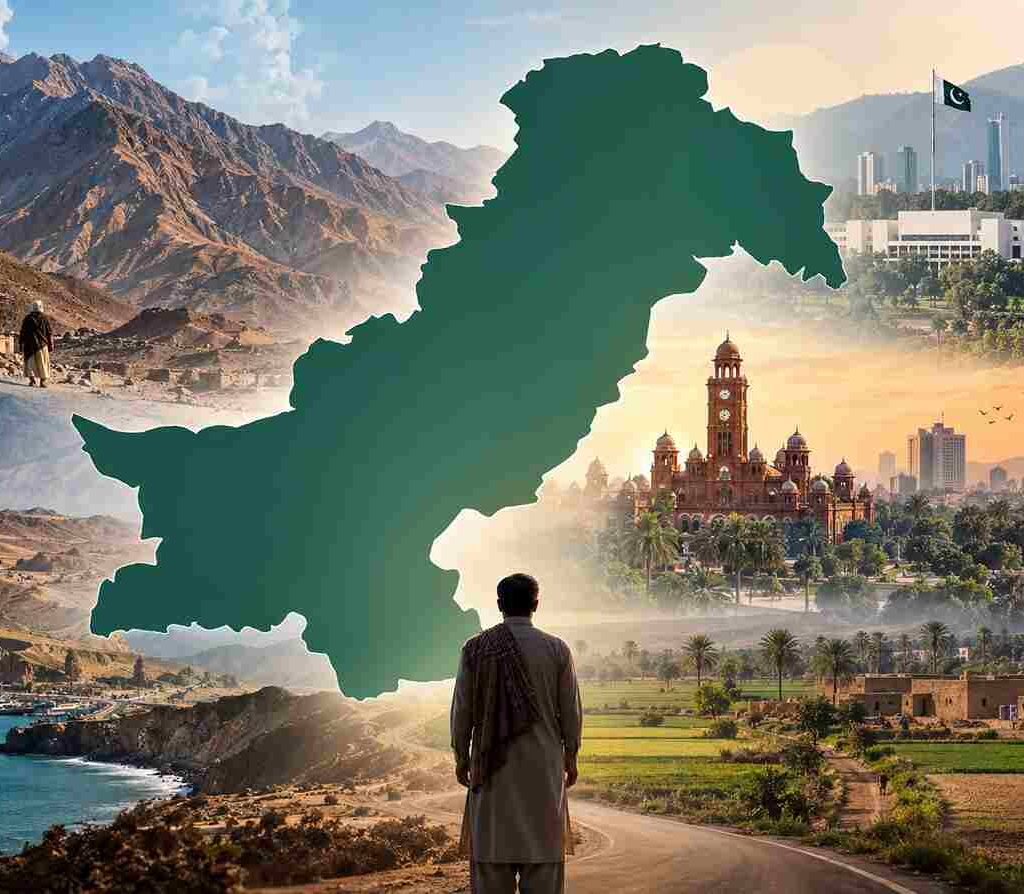
Pakistan’s 2023 census recorded a national population of 247,541,947 people, but the way this population is administered has barely changed since colonial times. Punjab alone has 127.7 million people, more than Japan, more than Mexico, more than any country in Europe, all nominally served by one chief minister’s secretariat in Lahore, through a deputy commissioner […]
How Small Administrative Regions Can Make Pakistan’s Governance Effective
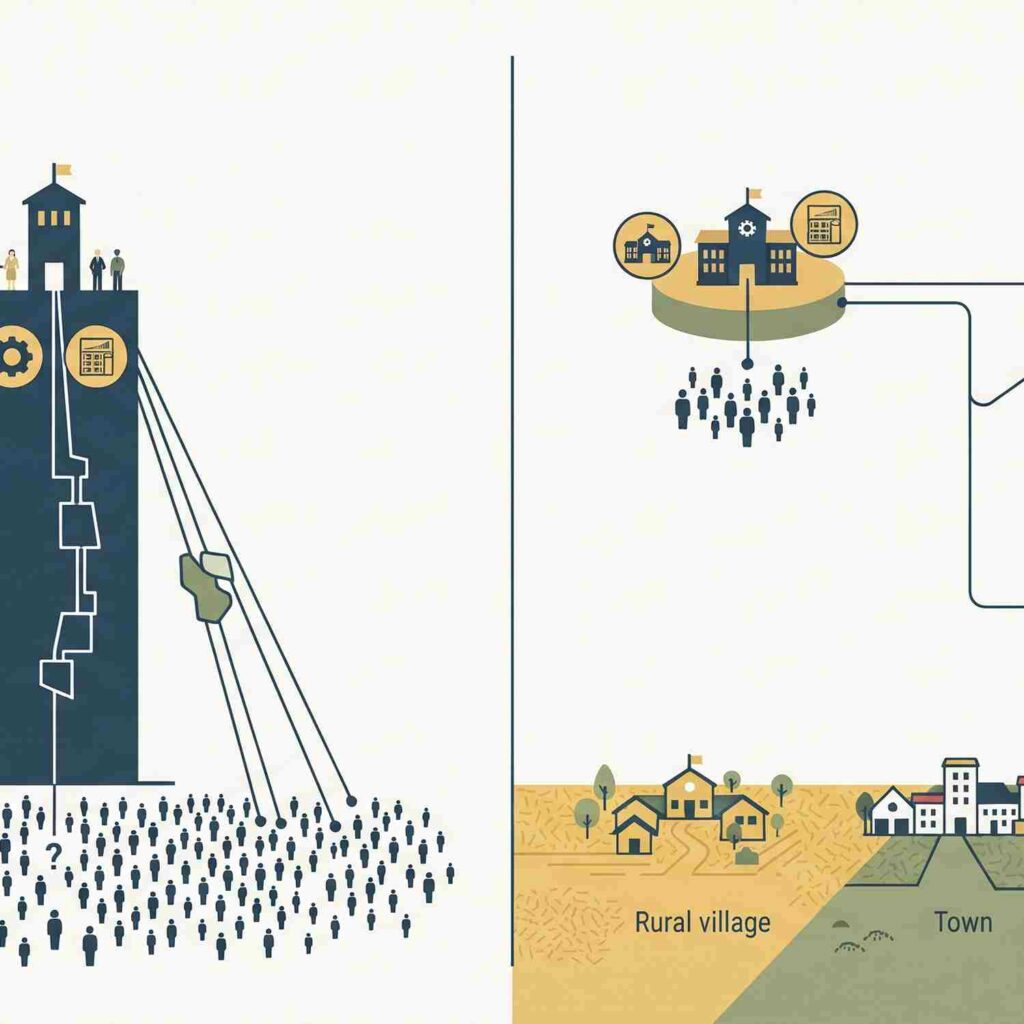
Every few months, a familiar scene repeats itself somewhere in Pakistan. A flood destroys a village in interior Sindh, a gas pipeline never reaches a town in southern Punjab, or a hospital in a Balochistan district sits without doctors for years. The response, almost ritualistically, is a press conference in the provincial capital, a promise […]
The Reflex That Never Learned: From Carte Blanche to Colby
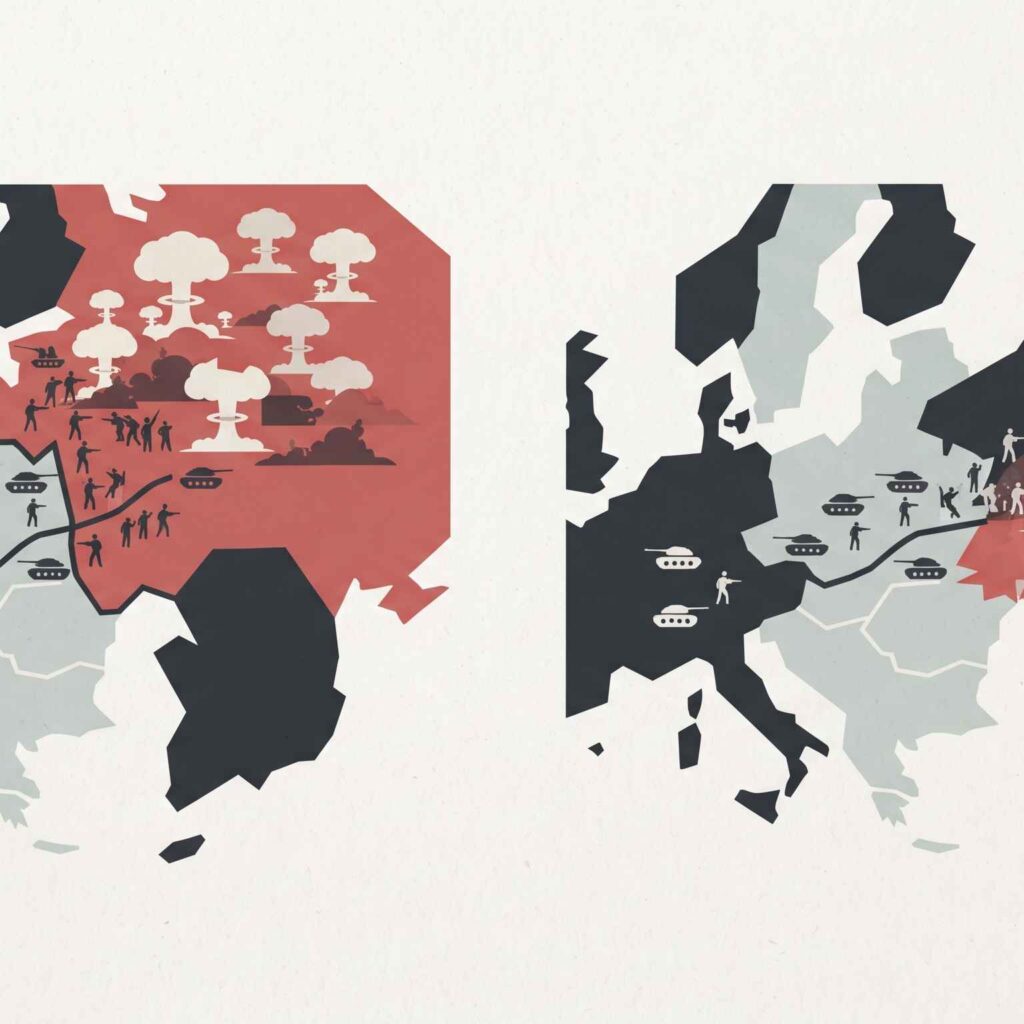
In August 2026, the Pentagon confirmed what attentive observers had been watching crystallize for months: Elbridge Colby, Under Secretary of Defense for Policy and architect of the 2018 National Defense Strategy, is drafting a revised nuclear posture that formally uplifts tactical nuclear weapons as vectors of battlefield use. The declared rationale is extended deterrence — […]