Heat Alert – South Asia Facing Intense Heat Waves

The heat waves in April-May that have hit Pakistan and India offers a rather alarming glimpse of the region’s environmental future under current climate change patterns, says a study by International scientists. Early findings had suggested that long heatwaves that affect a massive geographical area are a rare and once-a-century occurrence. Global Warming is making these otherwise rare chances 30 times more likely, which is affecting and will affect the people of the region directly in terms of health-related risks and indirectly through distorting the food chain.

“This is a sign of things to come,” said Arpita Mondal, a climate scientist at the Indian Institute of Technology in Mumbai, while studying the impact of increased global heating. If it surpasses 1.5°C, it will increase the likelihood of such heatwaves occurring twice in a century and once every five years.

According to an analysis published by Columbia University’s Climate School, South Asian region is the most affected by heat stress. The current streak of heat waves took 90 lives in Pakistan and India. The number could be greater due to the region’s insufficient death registration. The poor are at greater risk due to their living conditions in crowded slums with no access to cooling mechanisms or water. Similarly, street vendors and construction workers are more vulnerable as they mostly do not have a shaded or cool place to rest.

The brutal heat waves have shown the knock-on effects in the form of rapid glacier melts in Pakistan amid lakes bursting their banks. India’s power outages due to spike in electricity demand resulting in depletion of coal reserves and affecting the global food chain as the wheat yield has dropped leading to ban on exports, thereby heightening the global food insecurity and bringing the non-traditional aspects of security to the forefront, calling for immediate response and climate action.

News Desk

Your trusted source for insightful journalism. Stay informed with our compelling coverage of global affairs, business, technology, and more.

Recent

Beyond the Rhetoric: What Muttaqi’s Address Reveals About Afghan Policy

Beyond the Rhetoric: What Muttaqi’s Address Reveals About Afghan Policy

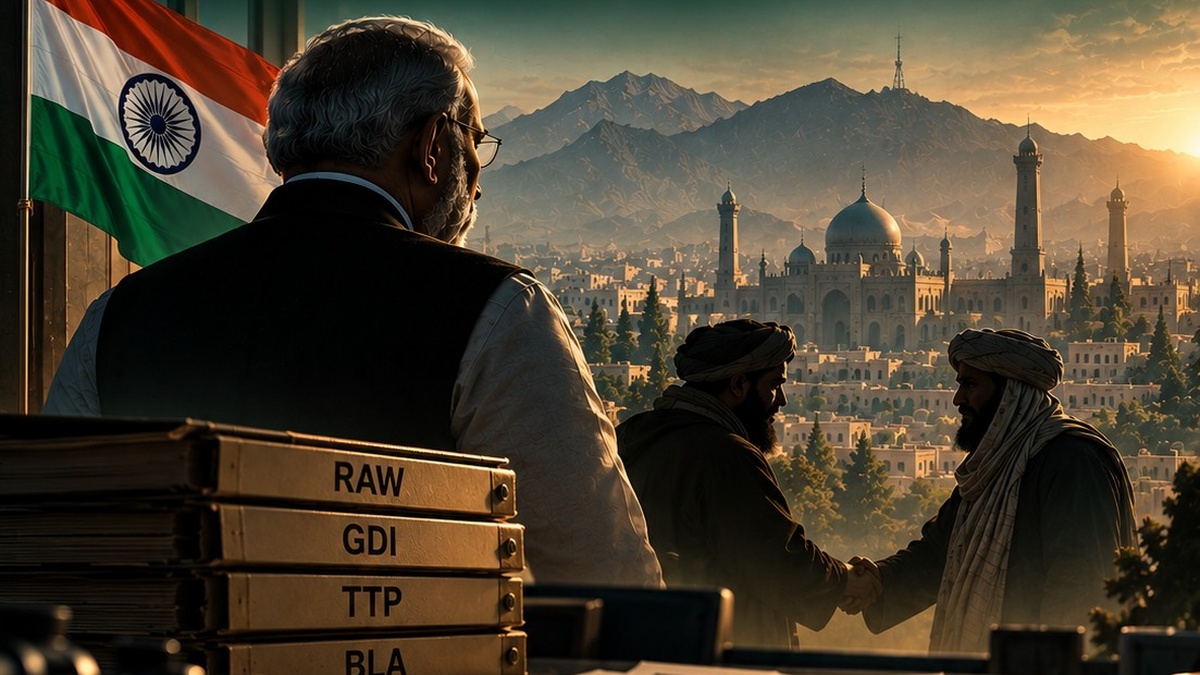
Interim Foreign Minister Amir Khan Muttaqi’s recent address sought to reframe Afghanistan’s strained ties with Pakistan through a narrative of victimhood and denial. From dismissing cross-border militancy to overstating economic resilience, his claims contradict on-ground realities and historical patterns. A closer examination reveals strategic deflection rather than accountability, with serious implications for regional peace and security.

Read More »
We Want Deliverance

We Want Deliverance

Political mobilization in South Asia is not rooted in policy or institutions but in a profound yearning for deliverance. From Modi’s civilizational aura in India to Imran Khan’s revolutionary moral narrative in Pakistan, voters seek not managers of the state but messianic figures who promise total transformation. This “Messiah Complex” fuels a cycle of charismatic rise, institutional erosion, and eventual democratic breakdown, a pattern embedded in the region’s political psychology and historical imagination.

Read More »
Pakistan-Only? The TTP’s Transnational Reality

Pakistan-Only? The TTP’s Transnational Reality

While the TTP publicly claims its insurgency targets only Pakistan, evidence reveals a transnational reality. Supported by Afghan fighters and resources, and shaped by the Afghan Taliban’s strategic interests, the TTP exemplifies cross-border proxy warfare. Understanding its structure, motivations, and operational networks challenges simplistic “Pakistan-only” narratives and underscores the enduring complexities of South Asian security.

Read More »
Pakistan’s Heritage and Rights Ethos: Unlocking Cultural Diplomacy

Pakistan’s Heritage and Rights Ethos: Unlocking Cultural Diplomacy

Pakistan’s diverse cultural heritage, from the hospitality of Pashtunwali and Sufi music in Sindh to folk traditions in Punjab, Balochistan, and Gilgit–Baltistan, reflects an enduring rights-based ethos. These living practices promote dignity, justice, and social inclusion. By integrating these traditions into cultural diplomacy, Pakistan can showcase its soft power while supporting custodians of heritage, artisans, and local communities.

Read More »