Kashmir, a Flash-point for South Asia

Webinar by School of International Service

On July 15, 2020, Pakistan’s ambassador to the US, Asad Majeed Khan attended a webinar about “The Future of Kashmir & the Challenges of COVID-19,” which was planned by the School of International Service (SAIS).  Stating Kashmir was a flashpoint for undermining peace and security in South Asia. He emphasized the requirements for a long-term resolution for the decades-old debate dependent on the yearnings of Kashmiri individuals.

The moderator for the webinar was Professor Akbar S. Ahmed, the Ibn-Khaldun chair of Islamic Studies at American University.

Salient Discussion Points of the Webinar

Drawing audience attention to the progressing human rights condition in Indian involved Jammu and Kashmir. The ambassador said New Delhi was utilizing the Covid-19 circumstance to propel its plan in Kashmir through suppression and brutality.

Ambassador khan underscored that more than 8 million individuals in IOJK were living in open-air jails during a problematic pandemic. Moreover, he emphasized the Indian Government\’s tactics of subjective arrests, vanishings, torment, and the utilization of pellet firearms. All these acts of injustice keep on smothering the just struggle of Kashmiris for their entitlement to self-assurance.

An international failure

Furthermore, he mentioned the overall deteriorating Covid-19 situation for the Kashmiris. He also expanded on India’s communication surveillance and control. As well as the lack of access to medical and other essential supplies adding that it was a matter of grave concern for Pakistan.

Kashmir is a failure for the international organizations like the United Nations. These international organizations, as well as countries like the United States, must utilize their impact to push the Indian government to determine this issue through dialogue and commitment. “A deeply rooted solution of the Jammu and Kashmir dispute according to the desires of the people of Kashmir will guarantee peace and prosperity in the area” he added.

Pandemic Update Provided To Webinar Audience

Ambassador Khan also updated the audience on the Covid-19 circumstance in Pakistan. He elucidated the measures being taken by the Government to manage the pandemic. He said that the Government\’s employment of smart lockdowns and the nationwide call for strict SOPs has brought about a general decrease in the number of cases and death rates in Pakistan.

Aqsa Ghauri

Aqsa Ghauri, a budding scholar of international relations, is a passionate reader interested in the complexities of global affairs.


Recent

As Bihar votes, Modi’s militarised politics faces its toughest test yet—will voters reject war rhetoric for real issues like jobs and poverty?

Bihar Should Reject Modi’s War Politics

Bihar’s election is shaping up as a test of Modi’s war-driven politics. With rising discontent over unemployment and poor governance, voters may choose to look past jingoism and focus on the real issues that shape their daily lives.

Read More »
Pakistan’s Doctrine of Verifiable Peace: Realism in the Face of Proxy Politics

Pakistan’s Doctrine of Verifiable Peace: Realism in the Face of Proxy Politics

Pakistan’s Doctrine of Verifiable Peace represents a major shift from fraternal idealism to strategic realism in South Asia’s volatile security landscape. Rooted in classical realist thought, the doctrine emphasizes verification over trust, deterrence over sentiment, and conditional diplomacy over blind faith. Confronting the twin challenges of cross-border militancy and Indian-backed proxy networks in Afghanistan, Islamabad now seeks peace that is enforceable, monitored, and verifiable, anchoring regional stability on responsibility, not rhetoric.

Read More »
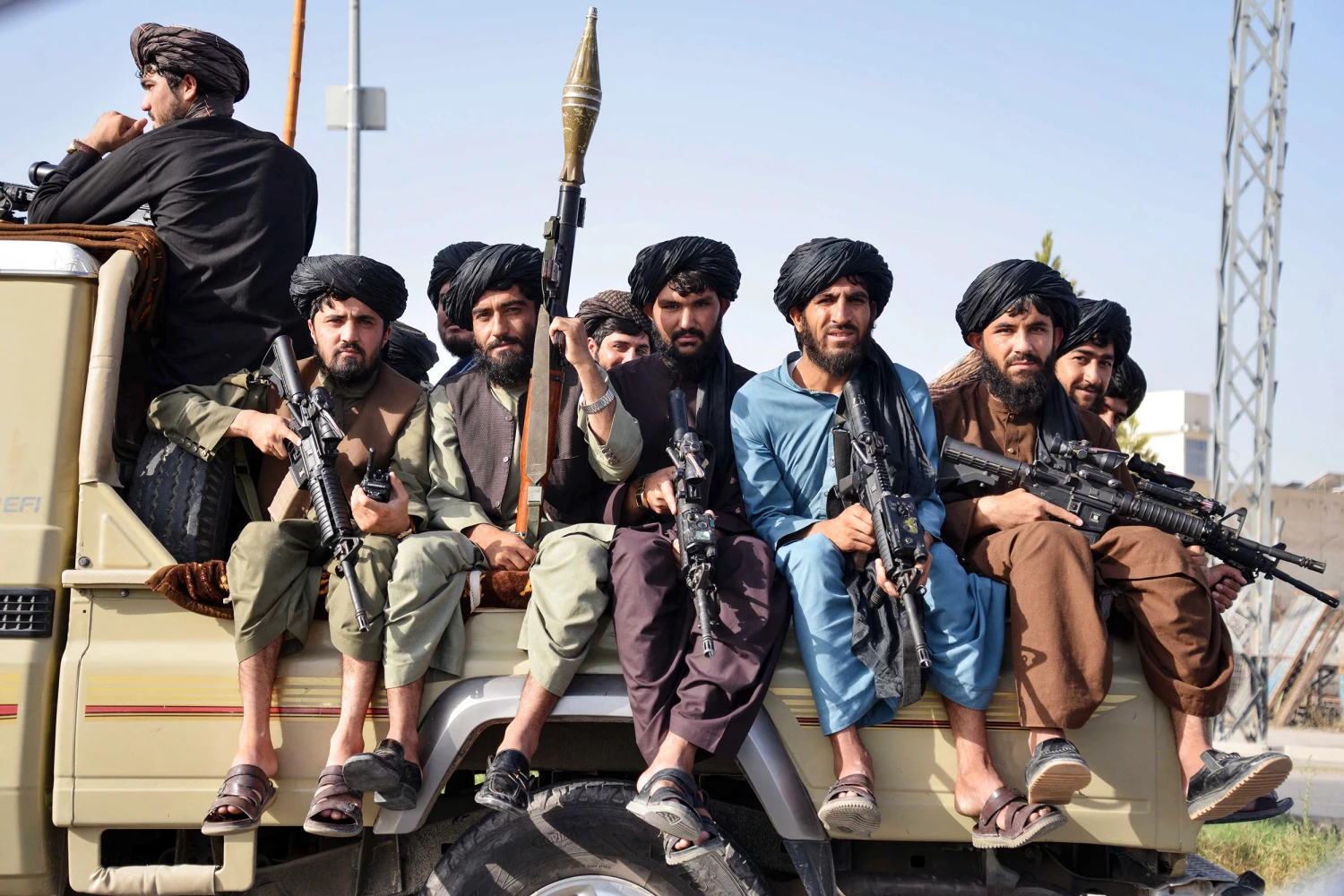
When Insurgents Rule: The Taliban’s Crisis of Governance

When Insurgents Rule: The Taliban’s Crisis of Governance

The Taliban’s confrontation with Pakistan reveals a deeper failure at the heart of their rule: an insurgent movement incapable of governing the state it conquered. Bound by rigid ideology and fractured by internal rivalries, the Taliban have turned their military victory into a political and economic collapse, exposing the limits of ruling through insurgent logic.

Read More »
The Great Unknotting: America’s Tech Break with China, and the Return of the American System

The Great Unknotting: America’s Tech Break with China, and the Return of the American System

As the U.S. unwinds decades of technological interdependence with China, a new industrial and strategic order is emerging. Through selective decoupling, focused on chips, AI, and critical supply chains, Washington aims to restore domestic manufacturing, secure data sovereignty, and revive the Hamiltonian vision of national self-reliance. This is not isolationism but a recalibration of globalization on America’s terms.

Read More »
Inside the Istanbul Talks: How Taliban Factionalism Killed a Peace Deal

Inside the Istanbul Talks: How Taliban Factionalism Killed a Peace Deal

The collapse of the Turkiye-hosted talks to address the TTP threat was not a diplomatic failure but a calculated act of sabotage from within the Taliban regime. Deep factional divides—between Kandahar, Kabul, and Khost blocs—turned mediation into chaos, as Kabul’s power players sought to use the TTP issue as leverage for U.S. re-engagement and financial relief. The episode exposed a regime too fractured and self-interested to act against terrorism or uphold sovereignty.

Read More »