Themes

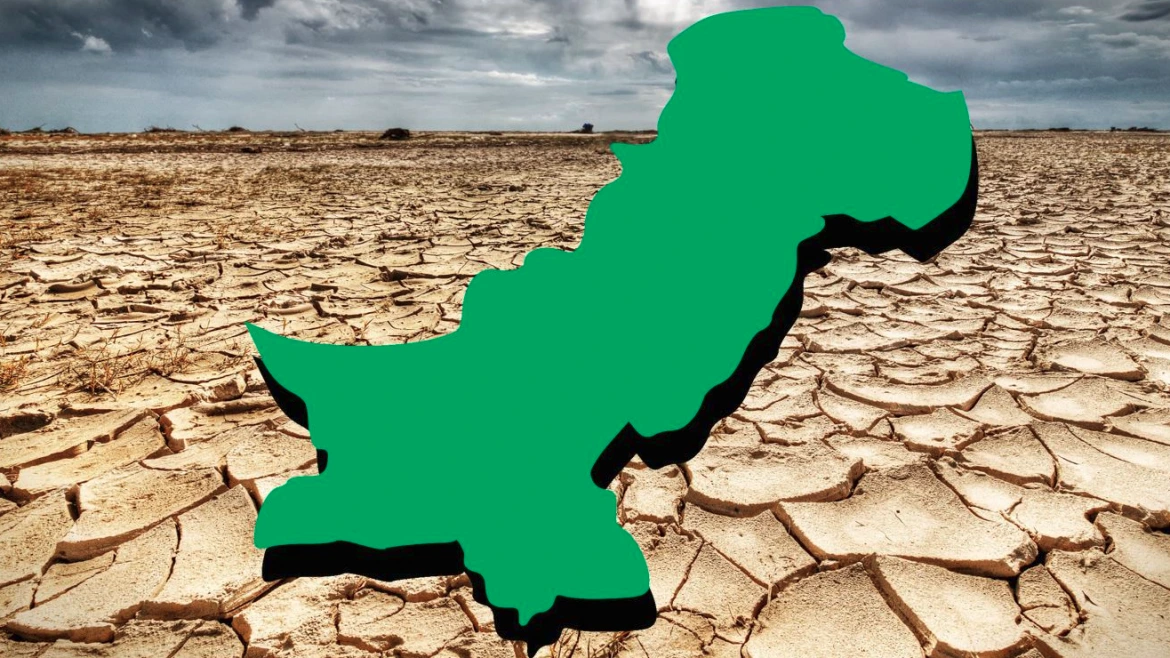
From Policy to Action: Analyzing Pakistan’s Climate Change Framework in Light of IPCC Insights

From Policy to Action: Analyzing Pakistan’s Climate Change Framework in Light of IPCC Insights

Pakistan’s National Climate Change Policy (NCCP) presents a comprehensive roadmap to tackle the country’s growing climate challenges. From managing water resources and protecting biodiversity to empowering women and promoting renewable energy, the NCCP blends adaptation and mitigation for a sustainable future. Yet, implementation gaps: limited funding, institutional weaknesses, and policy incoherence, threaten its potential. Strengthened governance, transparency, and international cooperation remain key to turning this vision into climate resilience for Pakistan.
Read More »
09b726ad-e4a9-4af1-8c74-b19d998c0fc3-istock-155309026

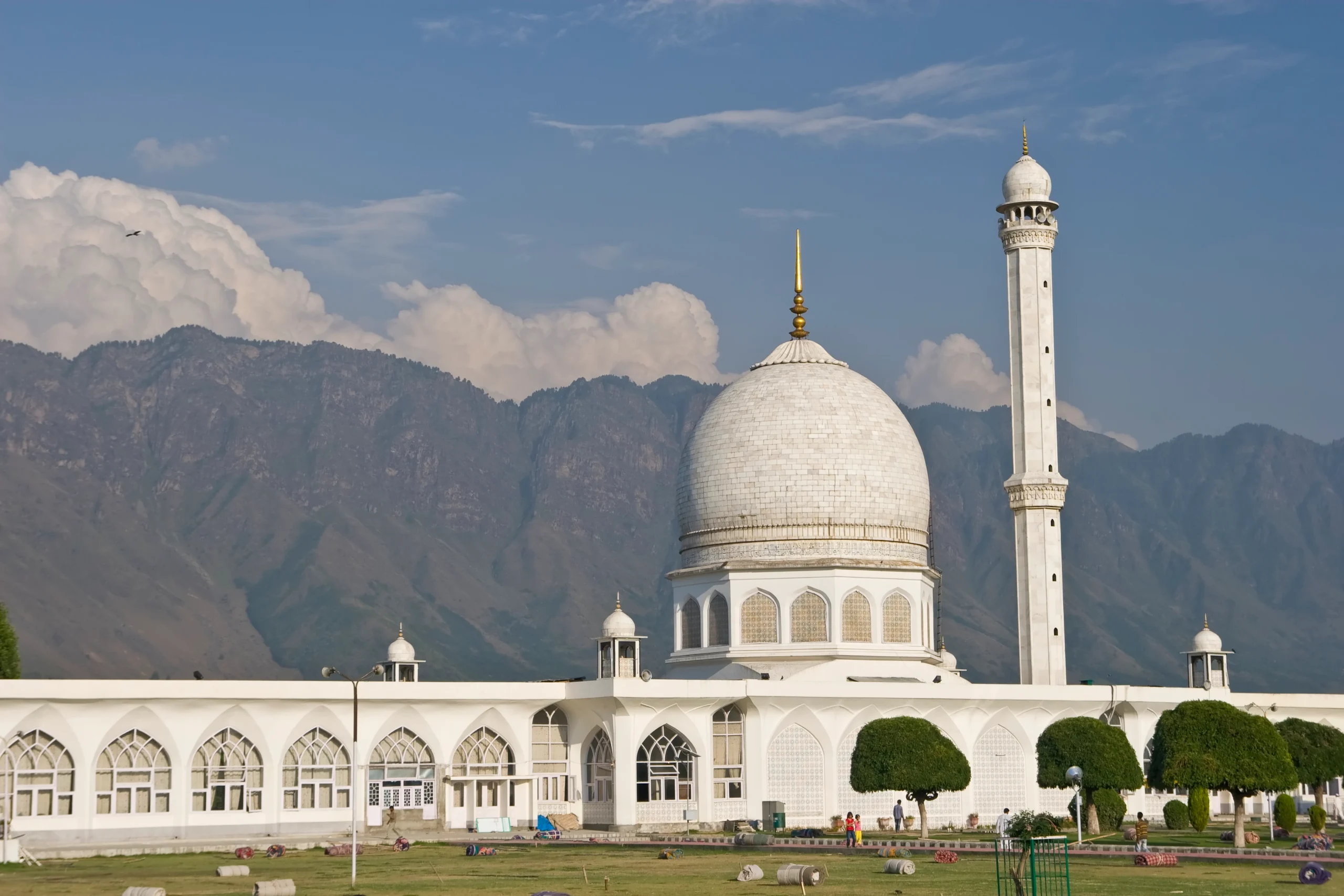
Kashmir’s Fading Legacy: Mythology, Etymology, and the Erosion of Cultural Identity under Indian Occupation

Jammu and Kashmir, once celebrated as the “paradise on Earth,” carries a 4,500-year legacy of diverse civilizations, faiths, and cultures. From ancient myths of “Kashyap Mar” to the enduring spirit of Kashmiriyat, every era has left an imprint on its identity. Yet, decades of Indian occupation and demographic manipulation under the Hindutva agenda now threaten to erase this timeless heritage. Preserving Kashmir’s culture is not just a regional necessity, it’s a global responsibility.

Read More »
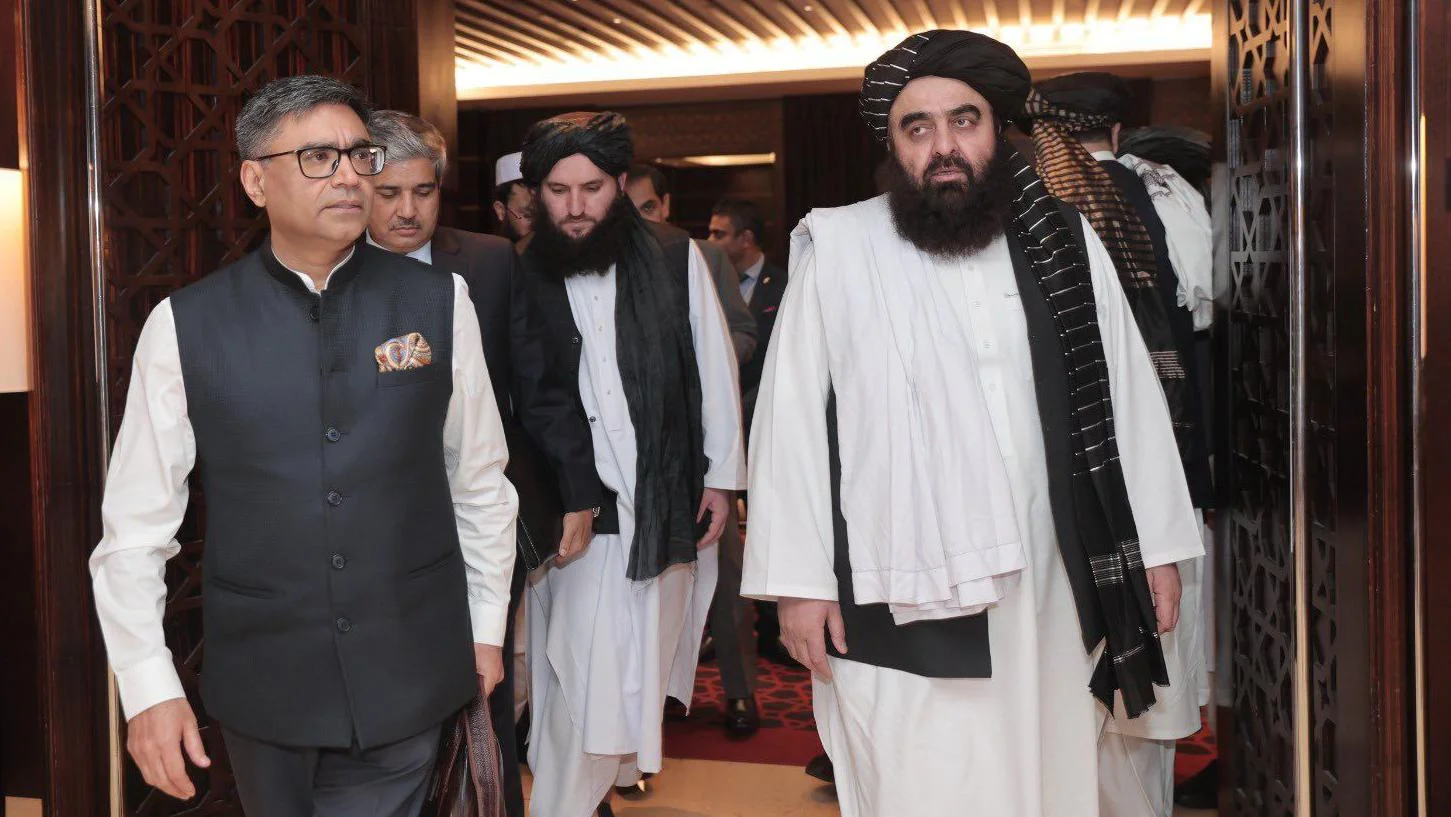
Pakistan confronts a new security dilemma as the Afghan Taliban provides sanctuary to the TTP while building diplomatic ties with its adversary, India.

The Instrumentality of Asymmetry: Taliban Hedging and Pakistan’s Compounded Security Dilemma

The security architecture of South and Central Asia is undergoing a significant realignment, the implications of which are crystallizing along the Afghanistan-Pakistan border. To view the Afghan Taliban’s engagement with India and the TTP’s escalation of attacks as disconnected is to miss the emergence of a complex geopolitical dynamic. This signals a fundamental recalibration of regional relationships, forcing Pakistan to confront a renewed and more intricate security dilemma.

Read More »
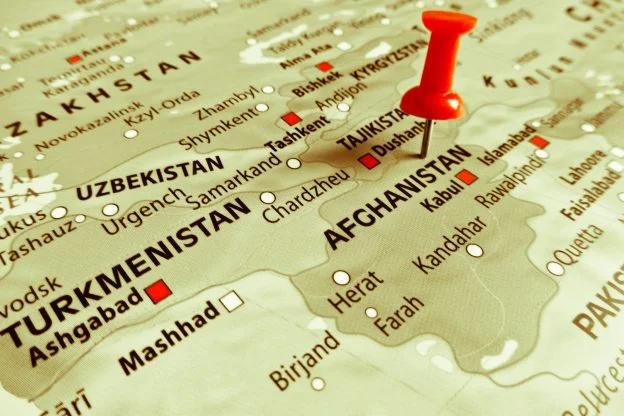
TTP’s resurgence under the Afghan Taliban threatens not just Pakistan but global stability, linking jihadist networks across South and Central Asia.

Terrorism Beyond Borders: Why the TTP Threat Is Not Pakistan’s Alone

The resurgence of Tehrik-i-Taliban Pakistan (TTP) under the Taliban’s ideological protection is reactivating global terror networks across South and Central Asia. This op-ed explores how the TTP’s links with al-Qaeda, ISKP, and TIP make it a transnational threat, one that endangers U.S., Chinese, and regional interests alike, not just Pakistan’s stability.

Read More »
Pakistan’s Stability: A Silent Pillar of US Strategic Interests

Pakistan’s Stability: A Silent Pillar of US Strategic Interests

Long seen through a security lens, Pakistan is now redefining its role in US strategy, as a supplier of critical minerals, a connectivity hub between Central and South Asia, and a stabilizing force in a volatile region. Amid global competition with China and shifting energy dynamics, Washington increasingly views Pakistan’s stability not as a choice but as a strategic necessity anchoring its economic and geopolitical interests across Asia.

Read More »
The Nobel Peace Prize or War Prize? A History of Controversial Laureates.

The Nobel Peace Prize or War Prize? A History of Controversial Laureates

Far from being an impartial recognition of pacifism, the Nobel Peace Prize’s legacy is marred by controversial laureates whose actions have been linked to immense violence. The prize is not a universal arbiter of peace but a political instrument reflecting a Western-centric worldview, rewarding figures who align with its geopolitical interests, regardless of the blood on their hands.

Read More »
An analysis of a false Financial Times report on a Pakistan-US port deal, its journalistic flaws, and its weaponization for political gain.

Geopolitics, Journalism, and the Anatomy of a False Narrative

A recent Financial Times story claimed Pakistan was pitching a new Arabian Sea port to the US Built on anonymous sources and logical flaws, the report was quietly corrected. This article dissects how the flimsy reporting was weaponized by domestic and regional actors to push a false narrative, revealing more about their political agendas than Pakistan’s foreign policy.

Read More »