South Asia

Narrative by Design: Al Jazeera’s Editorial Tilt on the Pakistan–TTP Conflict

Narrative by Design: Al Jazeera’s Editorial Tilt on the Pakistan–TTP Conflict

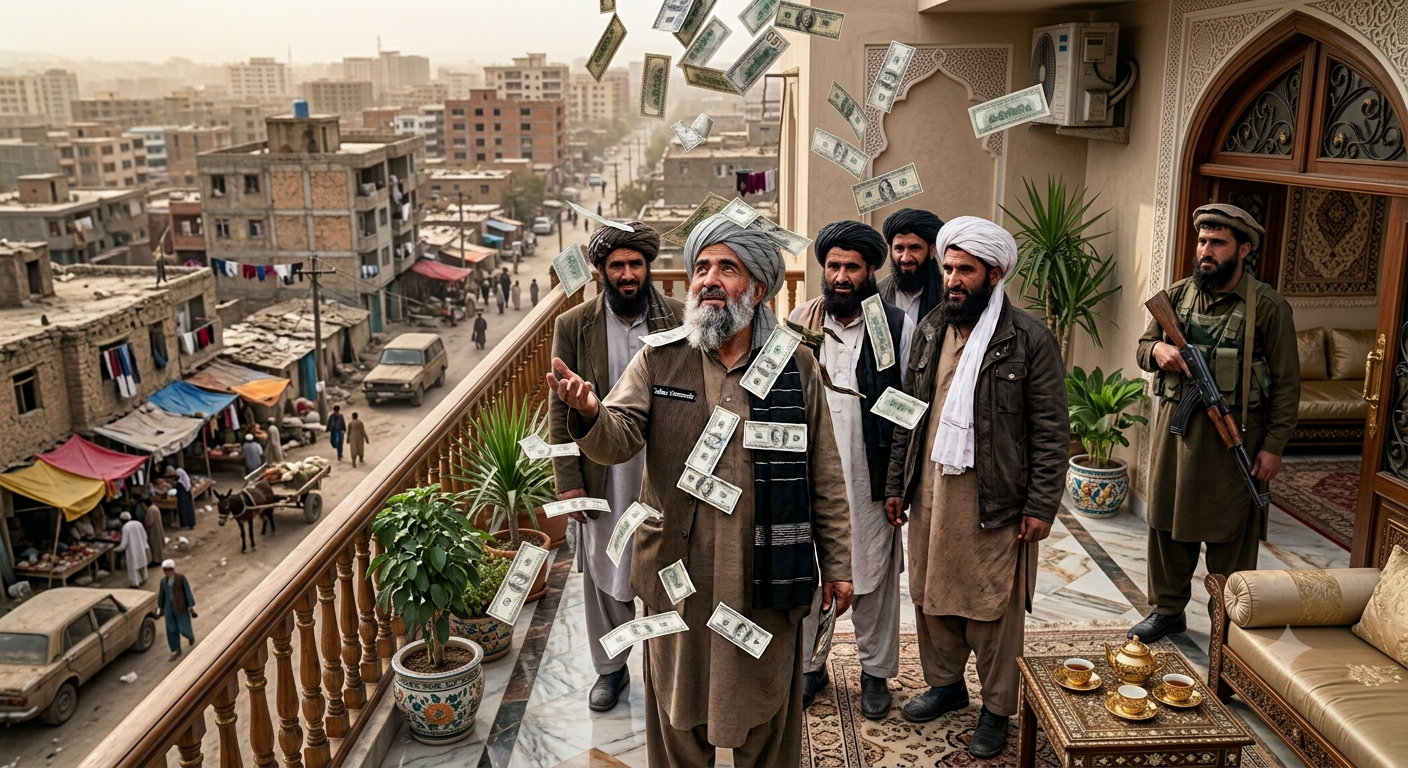
Al Jazeera’s reputation for alternative journalism contrasts sharply with its recent reporting on Pakistan’s conflict with the TTP and tensions with the Afghan Taliban. A close review shows consistent editorial choices that soften the Taliban’s image, reframe terrorist violence as resistance, and cast Pakistan’s counter-terrorism actions as aggression—ultimately reshaping the narrative in Kabul’s favour.

Read More »
How Pakistan can benefit from the World Bank’s New Nuclear Policy

How Pakistan can Benefit from the World Bank’s New Nuclear Policy

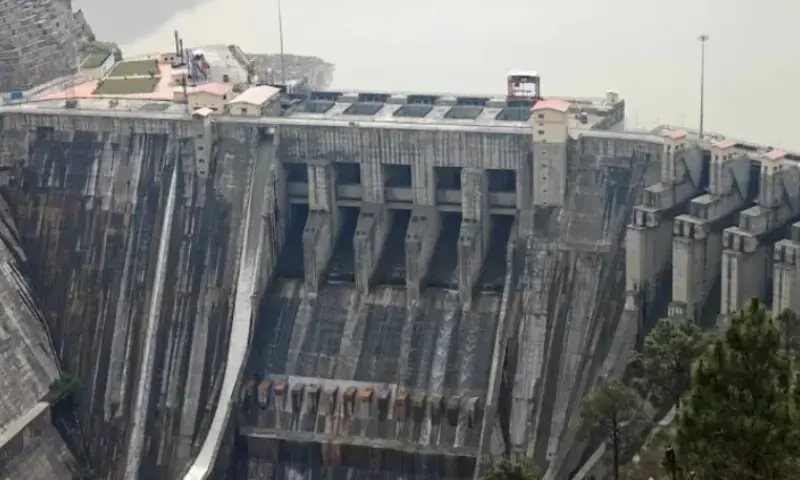
The World Bank’s decision to lift its decades-old ban on nuclear energy financing marks a turning point for developing nations. For Pakistan, this policy shift offers a rare opportunity to tackle its chronic energy crisis through clean, affordable, and reliable nuclear power. By aligning with the IAEA’s safety standards, engaging with World Bank institutions like IFC and MIGA, and integrating nuclear expansion into its national climate goals, Pakistan can position itself at the forefront of sustainable energy transformation.

Read More »
The Re-Emergence of Terror: Afghanistan as a Global Terrorist Hub

The Re-Emergence of Terror: Afghanistan as a Global Terrorist Hub

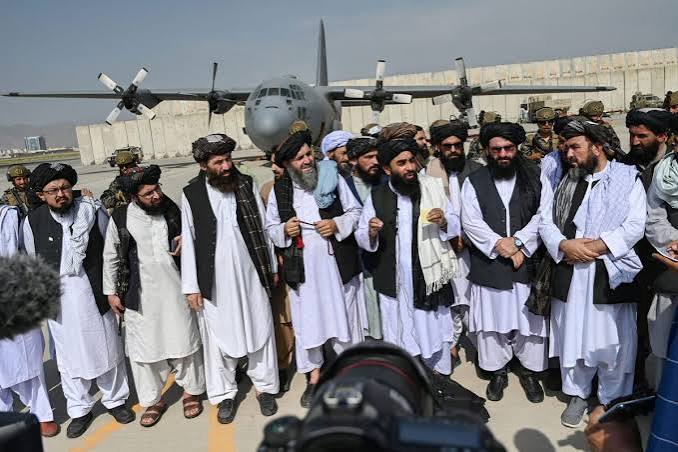
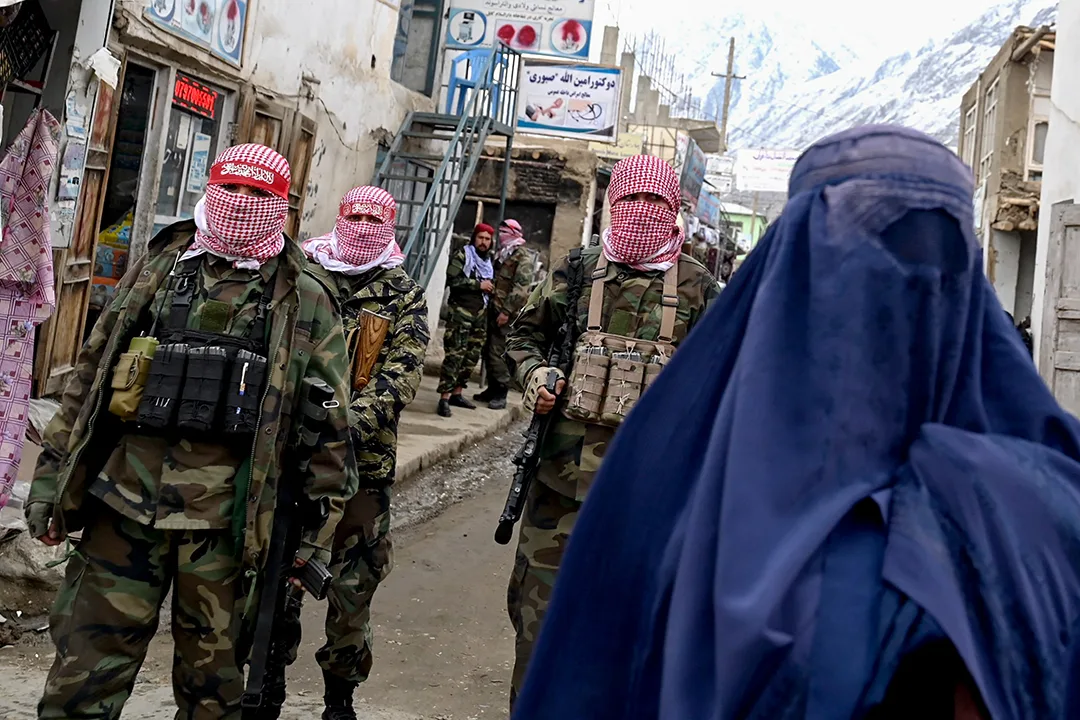
The Taliban’s return to power has revived Afghanistan’s role as a global Terrorist hub. Despite pledges under the 2020 Doha Agreement, the regime continues to shelter and enable groups such as Al-Qaeda, TTP, and ETIM, creating a volatile nexus of terrorism that threatens regional stability and global security. As internal conflicts deepen and governance collapses, Afghanistan’s transformation into an ideological sanctuary ensures a cycle of chaos and suffering that primarily victimizes its own people.

Read More »
Instability as Strategy: How India Benefits from the Afghan-Pakistan Breakdown

Instability as Strategy: How India Benefits from the Afghan-Pakistan Breakdown

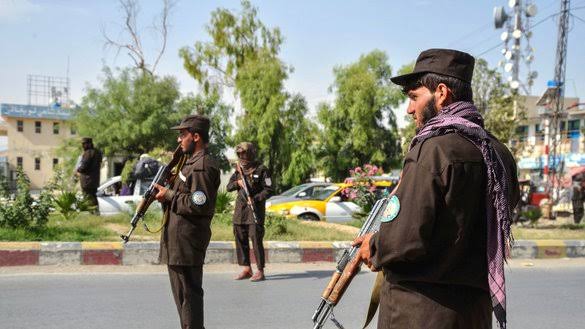
The escalating tensions between Pakistan and Afghanistan’s Taliban-led regime have reignited South Asia’s most volatile frontier. As cross-border attacks intensify and the Taliban refuses to dismantle the Tehreek-e-Taliban Pakistan (TTP), Islamabad faces mounting security and sovereignty challenges. Yet, amid this chaos, India emerges as the silent beneficiary, leveraging regional instability to weaken Pakistan strategically while maintaining its image as a victim of terrorism. This calculated exploitation threatens to entrench South Asia in a new cycle of proxy conflict.

Read More »
The Istanbul dialogue between Pakistan and the Afghan Taliban collapsed over the TTP issue, exposing the limits of regional diplomacy and mediation.

The Istanbul Dialogue: How the Taliban’s Intransigence Doomed Diplomacy

The highly anticipated Istanbul dialogue, facilitated by Turkey and Qatar, has ended in deadlock. The Taliban’s refusal to act against the Tehrik-e-Taliban Pakistan (TTP) and their introduction of provocative counter-demands have effectively derailed the diplomatic process, underscoring the ideological rigidity driving Kabul’s foreign policy.

Read More »
Centralized Power and the Core–Periphery Divide in Afghanistan

Centralized Power and the Core–Periphery Divide in Afghanistan

The Islamic Emirate of Afghanistan’s return in 2021 brought rapid consolidation of power, but also the revival of a historical flaw. By concentrating authority in the hands of southern Pashtun elites, the Taliban have recreated the core–periphery divide that has destabilized every Afghan regime since the 19th century. This hyper-centralization, rooted in ethnic exclusivity and Kandahar dominance, risks a repeat of past collapses as non-Pashtun regions turn toward functional autonomy.

Read More »
Broken Promises: The Taliban’s Betrayal of Global Commitments

Broken Promises: The Taliban’s Betrayal of Global Commitments

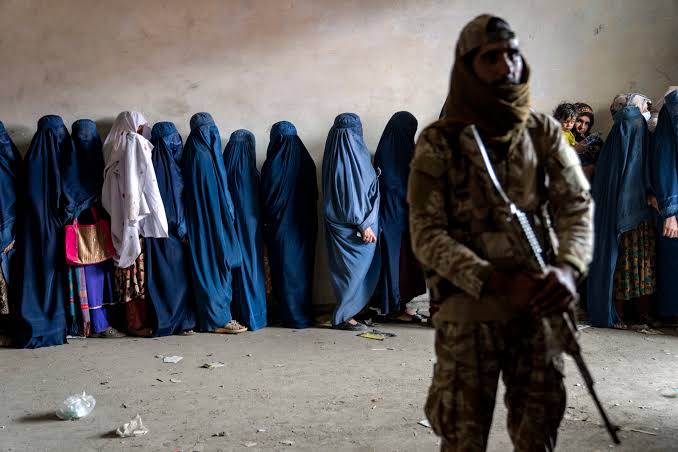
Nearly three years after seizing power, the Taliban’s systematic violation of their international commitments under the 2020 Doha Accord has transformed Afghanistan into a sanctuary for terrorism, entrenched an autocratic regime, and institutionalized gender apartheid. Beyond moral failure, this deceit poses a grave threat to regional stability, international counterterrorism efforts, and the credibility of global diplomacy. Holding the regime accountable is now a strategic necessity, not a choice.

Read More »