![At least seven people were jailed in Bangladesh for raping children in six districts, with one victim's father dying in shock. [Image via The Daily Star]](https://southasiatimes.org/wp-content/uploads/2025/03/child-ezgif.com-webp-to-jpg-converter.webp)
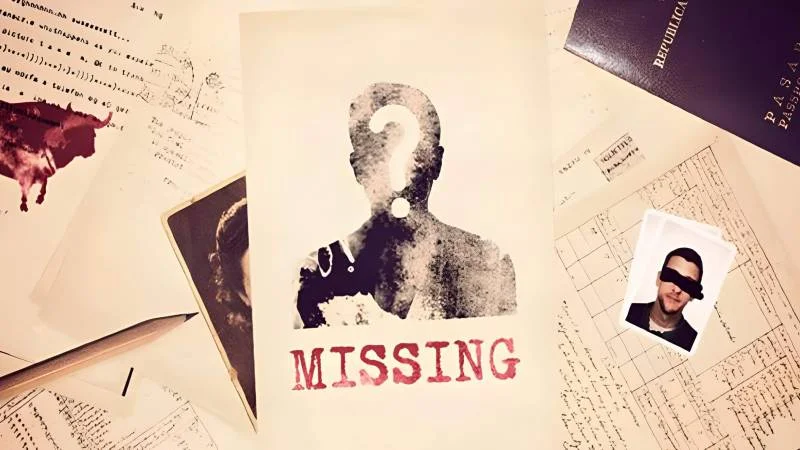
When a child goes missing, a family loses much more than a son or daughter. It loses its sense of security, peace of mind and confidence in the future. We have all seen desperate parents carrying photographs of their missing children, moving from one place to another in search of them. They file a General Diary (GD) at the police station, contact relatives and friends, and circulate photographs on social media.
But one question remains: How quickly, effectively and safely can our system respond when a child goes missing? From missing children to sexual abuse and exploitation – who is responsible for their protection?
A recent media report highlighted that a total of 15,717 children were reported missing across Bangladesh between January and July this year, of whom 2,038 remain untraced as on 4th September 2026. The figure is deeply concerning. At the same time, the number of General Diaries at Police Station should not automatically be interpreted as the actual number of missing children.
Not every incident is reported, and not every missing-child case has the same circumstances. Some children may leave home voluntarily because of family or social problems; others may become victims of abduction, trafficking, sexual abuse or other forms of exploitation.
According to the TIP reports: Child sex trafficking remains widespread in Bangladesh and it is estimated that around 30,000 girls are victims of sexual exploitation annually.
Therefore, the question should not simply be How many children are going missing? We must also ask: Why are children going missing? What happens to them after they disappear? And how prepared are we to bring them back safely?
A Missing Child Cannot Be Treated as an Ordinary Missing-Person Case
The disappearance of a child carries risks that are different from those involving an adult. A child may not have the knowledge, resources or capacity to protect themselves. Children can easily be deceived, threatened, lured or taken somewhere against their will.
Children living in poverty or vulnerable circumstances, street-connected children, children with disabilities, children exposed to domestic violence, and those living without adequate family or community protection may face even greater risks.
Therefore, every missing-child case should immediately be treated as a child-protection emergency. The first few hours can be critical. Delay may give perpetrators an opportunity to move a child from one location to another, conceal the child’s identity or facilitate trafficking.
A GD should not be regarded as the end of the police response. Once a complaint is received, authorities should rapidly assess the child’s age, photograph, clothing, last known location, contacts, phone or online activity where legally appropriate, and other risk factors, and then initiate an appropriate search.
When a child disappears, the emotional trauma experienced by the family is enormous. If parents then encounter indifference, suspicion or unnecessary bureaucratic obstacles while seeking help, their suffering becomes even greater. The relationship between the police and the family should be supportive, respectful and humane.
Every police station should have trained personnel or a focal point for child protection. Such officers could help families understand the reporting and search process and updates, coordinate with relevant authorities and, where necessary, connect families with social services, health providers, child-protection organisations and other support mechanisms.
For a frightened mother or father, what matters most at that moment is simple: Someone is listening, and someone is actively searching for their child.
Finding a Child Is Not the End of the Responsibility
When a missing child returns home, the family naturally feels enormous relief. But the responsibility does not end there.
Where was the child? Who was the child with? Why did the child end up there? Was the child physically or sexually abused? Was the child threatened, coerced or exploited? These questions need to be addressed – but always through a child-sensitive approach.
A child should not be repeatedly questioned, intimidated or made to feel responsible for what happened. Interviews and investigations should protect the child’s dignity and minimise further trauma.
A rescued child may require medical attention, psychosocial support, counselling, legal assistance and safe reintegration. Simply handing the child back to the family without assessing the underlying risks may leave the child vulnerable to the same dangers again.
Preventing Sexual Abuse Must Begin at Home
Fear, shame and silence remain major barriers to addressing child sexual abuse in our society. Some families hesitate to report abuse because they fear social stigma or damage to the family’s reputation. In some cases, the child may even be blamed for what happened. This culture of silence must change.
Children need to understand that no adult has the right to behave towards them in a way that makes them feel unsafe, frightened or uncomfortable. They should know that if someone threatens them, offers them gifts or tells them to keep something secret, they can tell a trusted adult. Most importantly, when a child speaks, adults must listen and take the disclosure seriously.
A child’s school should be another important safe environment. Yet an important question remains: Do all schools and madrasas have effective child-safeguarding systems?
Every educational institution should have a clear Child Safeguarding Policy. Teachers and staff need training to recognise signs of abuse, respond appropriately when a child makes a disclosure, report concerns through the proper channels and protect the child’s privacy.
Age-appropriate education on personal safety and online safety should also become part of children’s learning. The risks facing children are no longer confined to school gates or streets. Social media, online games, messaging platforms and false online identities can create new pathways for manipulation and exploitation.
Technology has created new risks for children, but it can also become an important tool for protecting them. A more effective national system for recording information about missing children could enable faster information-sharing among police stations and relevant agencies. Where legally appropriate, CCTV footage, transport information and other digital evidence can also support investigations.
If a child disappears in one part of Dhaka, the information should not remain confined to the records of a single police station. Relevant information should reach other appropriate units quickly when there is a reason to believe the child may have been moved elsewhere.
Bangladesh has an important child-protection mechanism in the form of Child Helpline 1098. But how many parents in rural communities – and how many children themselves – know where to seek help when they are in danger?
There is a need for much wider public awareness about 1098. Information about the helpline could be prominently displayed in schools, madrasas, hospitals, union parishads, municipalities, bus terminals, railway stations and other public places. Children should be able to remember a simple message: “When you are in danger, don’t stay silent – ask for help.”
Child Protection Is Everyone’s Responsibility
Child protection cannot be treated as the responsibility of the police or the Department of Social Services alone. Families, schools, local government, police, social services, healthcare providers, courts, civil-society organisations, NGOs, communities and the media all have roles to play.
Civil-society and community organisations can be particularly valuable at the local level by identifying vulnerable children, raising awareness among families, supporting rehabilitation and creating links between communities and government services.
The media also has an important responsibility. When reporting on missing children, journalists must consider the child’s safety, dignity and privacy. Publishing information that unintentionally exposes a child to further danger defeats the purpose of the reporting.
In recent months, Bangladesh has witnessed a deeply concerning rise in violence against children. Reports of abuse, exploitation and other forms of violence against minors have raised serious concerns about the effectiveness of existing protection mechanisms. International organisations, including UNICEF, have repeatedly called for stronger child-protection systems, effective prevention and response measures, zero tolerance for violence against children, and an end to impunity.
The growing concern underscores an urgent need for stronger institutional action to ensure that every child in Bangladesh can live, grow and learn in safety and dignity.
Finding a missing child is undoubtedly important. But an even greater achievement would be to build a society where risks to children are identified before a child disappears.
A society where children feel safe at home. Where they are protected at school. Where they understand how to stay safe online. Where they can speak about abuse without fear.
And where a child who speaks up is treated not as someone to blame, but as a child who deserves protection and support. Child safety is not an act of charity. It is a child’s right. So, when a child goes missing, we should not ask only: “Where is the child?”
We must also ask: “Why did this child reach a situation where disappearing was possible?” And when a child does go missing, our response must not wait. Because for a child, every minute matters. Finding a missing child is our responsibility. Keeping children safe is everyone’s responsibility.

Nicholas Biswas
Nicholas Biswas is a Bangladeshi creative writer, columnist, translator, and development professional. His articles on climate change, social justice, public health, public policy, and governance have been published in national and international media. A recipient of the United Nations Population Fund (UNFPA) Media Award, he combines over two decades of development experience with a passion for thoughtful and impactful writing. He has also translated several books and articles into Bangla. He has completed his master degree in International Relations from the University of Dhaka.