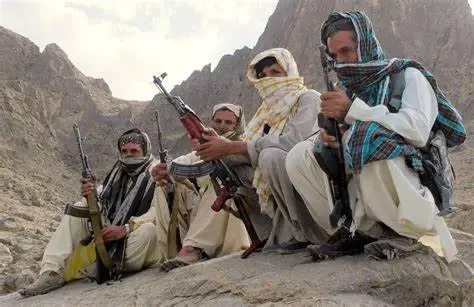
Late assaults by the Baloch insurgents in Sibi, Kech, Panjgur, Noshki, and Kalat feature these insurgent entities’ developing refinement and worked on operational abilities. A strategic shift can be observed during these two of the three various conducted assaults by the suicide plans of the Baloch Liberation Army’s Majid Brigade’s self-sacrificing recruits (fidayees). The incessant utilization of suicide terrorism in Baloch insurgents’ assaults is an alarming and serious matter of concern for Pakistan. Meanwhile, the ongoing wave of insurgency and their streak of attacks in Balochistan have also busted the myth that the United States’ withdrawal from Afghanistan would debilitate the ongoing insurgency in Balochistan, by denying insurgents of their safe-houses and external support factor.
Despite the US pull-out from Afghanistan, the Baloch insurgents’ assaults have proceeded; the force and recurrence of these assaults have upgraded since then.
Resurgence of Baloch Insurgents
The subtleties of the synchronized attacks in Panjgur and Noshki remain unclear. But all considerations point to the limitations of Balochistan insurgents launching high-profile attacks. Secondly, the situation of security threats in Quetta was pointing to another pre-planned attack, similar to the Panjgur and Noshki attacks (Operation Gangal), but the two failed smuggling efforts of a large amount of ammunition via Spinboldak disturbed their supply chain.
As per the recent statement of Jeeyand Baloch Spokesperson, BLA “The Baloch Liberation Army reiterates its commitment that our attacks will continue in full force”. The BLA is willing to proceed forward with another planned attack to continue their activities to give another push to “Operation Ganjal”. Moreover After the Panjgur and Noshki attack, three attacks in Kalat by Brigade Majeed were also declared part of “Operation Ganjal.”
They look more prepared and better equipped now, with extremely modern weapons in their arsenal. Yet, it is impossible that such activities might have been conceivable without a solid internal and external supporting network. The intensification of the insurgency has faded with reports of gatherings of different Balochistan militant groups.
As the Interim Afghan Government is hunting down Islamic State – Khorasan Province (ISKP) in Afghanistan, the group has increasingly shifted its strategy towards Pakistan.
Lethal Inter-Organizational Cooperation
ISKP retains the uncanny ability to carry out high-profile attacks, both in Afghanistan and Pakistan. Despite the crackdown by Afghan Interim Government, the US withdrawal has worked in favor of ISKP. Meanwhile, Tehreek-e-Taliban Pakistan (TTP) and Baloch Liberation Army (BLA) seem to be cooperating with each other. Though TTP has denounced ISKP, the spread of suicide attacks from Pakistan’s jihadist to ethno-separatist groups also points to inter-organizational learning and cooperation among various groups. The streak of attacks by insurgent groups and the recent wave of terrorism in Pakistan make security challenges apparent.
Where Does Afghanistan Stand?
Meanwhile, after the IEA’s takeover of Afghanistan, statements have been issued that they would not let any entity or state use the land of Afghanistan against Pakistan. But still, it remains a breeding ground for terrorist and ethnic insurgent groups involved in terrorism in Pakistan. These include TTP, ISKP, and Baloch separatist groups, such as; Baloch Liberation Army (BLA), Baloch Liberation Front (BLF), and Baloch Republic Front (BRF). Moreover, the spread of suicide attacks from Pakistan’s jihadist to ethno-separatist groups, and their inter-organizational learning and cooperation, mount the security concerns for Pakistan.
Rising Consortiums and CPEC
Regional geopolitics and competition have also played a major role in fueling the insurgency in Balochistan: Pakistan’s province that has been the focus of a regional power game for a long time.
The development of the China-Pakistan Economic Corridor (CPEC) and Gwadar Port has also intensified the debate. In regional geopolitics, border-sharing countries play a crucial role in the stability or instability of the region. As far as Iran is concerned, other than the “greater Balochistan movement,” the factor that indulged Iran into this regional power game is the “Gwadar vs Chabahar port”. At the same time, the nature and economic costs of the capitalist system put the two ports in competition with each other. While Iran is in a rush to attract more Chinese investment, Pakistan is concerned with maintaining peace and stability in Balochistan for Chinese assets and investments.
Pak-Iran Border
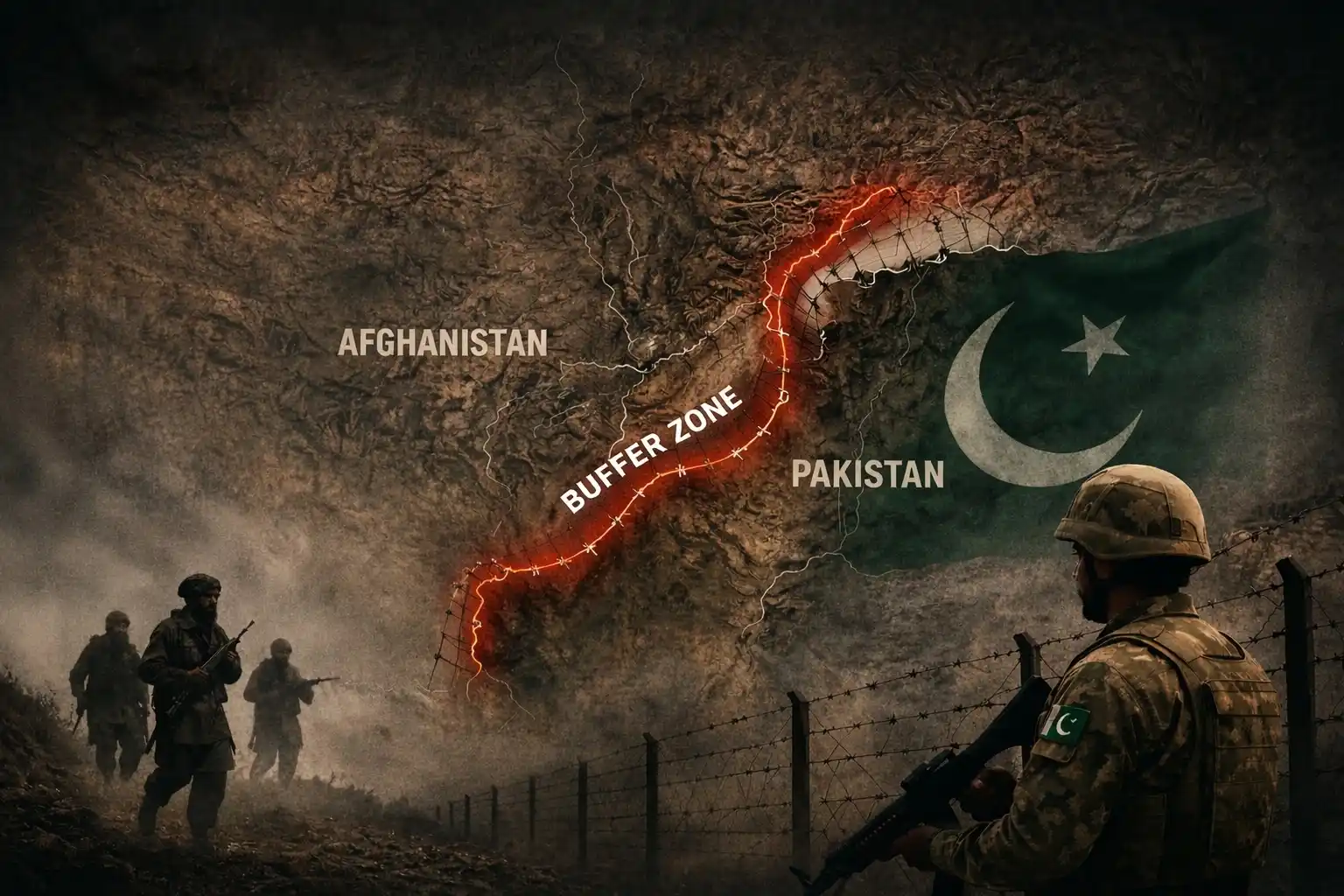
Aside from the geopolitical rivalry in the southwestern region of Pakistan with Iran, there is another factor that is contributing to the instability in Balochistan; that is the inefficiencies prevalent in the Iranian military to secure their land from being used against their neighbors. Pakistan has started the fencing of the border for quite some time, though some vulnerable points are still exploited by the insurgents of Balochistan to cross towards Iran and create safe havens there. Also, the Iranian military due to the sanctions imposed by the international community does not possess such sophisticated technology and necessary training which could hamper the creation of safe heavens by Baloch insurgents.
Balochistan cannot be called a battlefield. Although it shares porous borders with Iran and Afghanistan, it can be considered a wrestle-ring for insurgent groups, terrorist entities, and nations. At the same time, security concerns have grown in the province, where inter-organizational learning and cooperation, jihadists, and ethno-separatists are national security concerns. Only the fencing of borders from both sides and multilateral efforts of the regional countries such as Afghanistan and cooperation with Iran can bring down the uprising graph of suicide attacks and insurgent activities in Balochistan.
The views expressed in this article are the author’s own. They do not necessarily reflect the editorial policy of the South Asia Times.