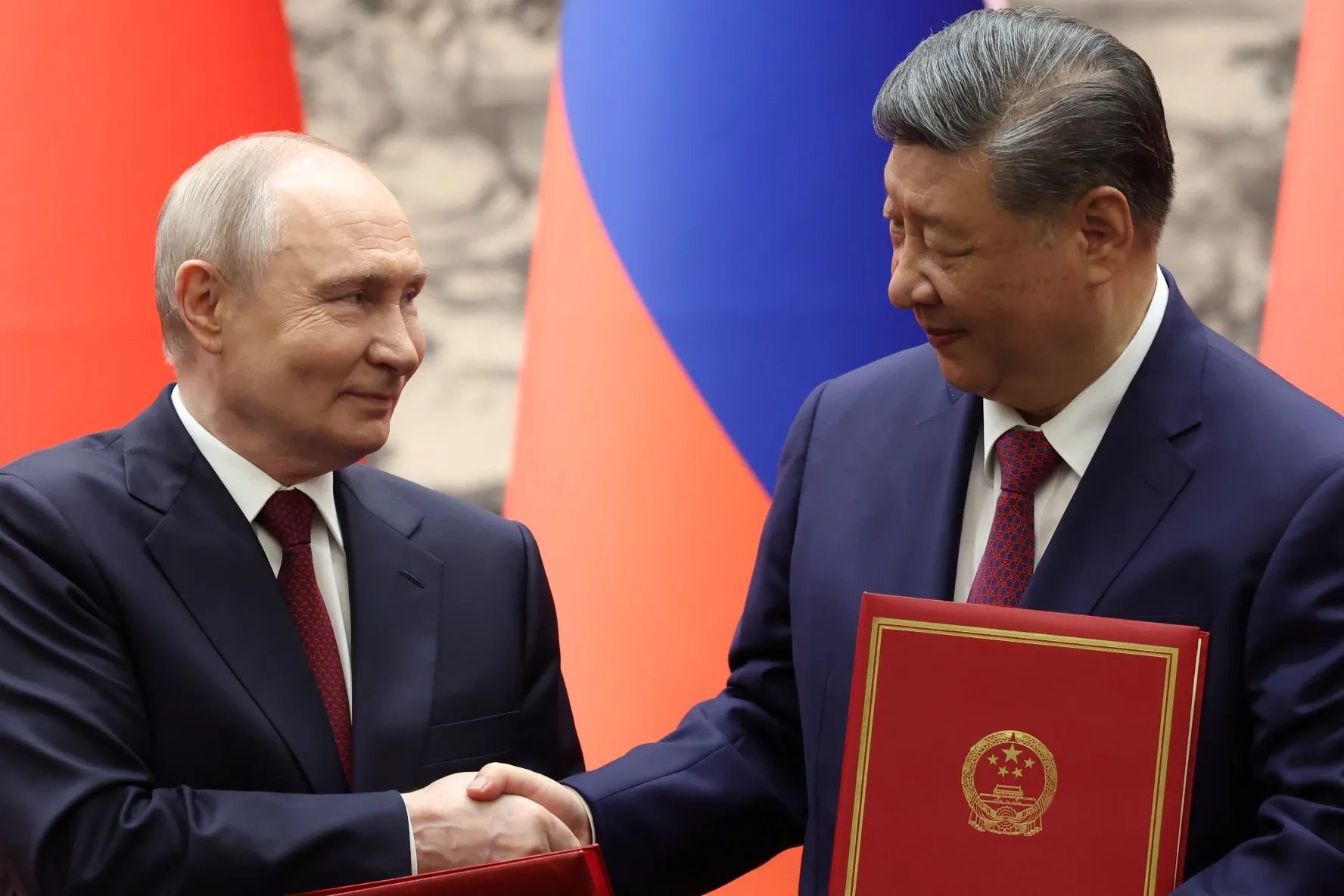
“America’s lost advantage in the strategic triangle” this is title of a piece written by Patricia M. Kim, which was published by prominent American think-tank, Brooking Institution on its website in the third week of November—days before Xi-Trump-Putin Summit meeting in China on November 19, 2026. The piece explains why the United States position in the international system has eroded since the 1970s.
Brooking Institution is considered a left leaning think-tank which is, nevertheless, close to the American foreign policy establishment. The Brooking Institution projects America’s global leadership as a necessity for stability of the international system.
In her piece, Miss Kim appears to lament the fact that “Rather than restoring America’s centrality in great power diplomacy, the Trump-Xi-Putin trilateral in Shenzhen may underscore how far Washington’s position has eroded since the triangular diplomacy of the 1970s”.
It is argued in the piece that during the Cold War, America’s central position in the international system gave both Beijing and Moscow strong reasons to improve relations with Washington, providing American leaders with leverage to advance U.S. interests.
“Today, China and Russia have forged a close strategic partnership, limiting Washington’s ability to exploit differences between them. Meanwhile, the Trump administration’s transactional approach to allies has undermined its ability to draw on the collective strength of its alliances and partnerships”.
Kim’s analysis interprets changing relations between Beijing-Moscow and Washington as erosion of United States strategic leverage in the international system. In this critique of Miss Kim’s piece, I will pose the question whether it is necessary to consider the decline of American predominance detrimental to the stability of the international system?
In the 1970s the then US President engaged in a trilateral diplomacy with Beijing and Moscow. He sent his Secretary of State, Henry Kissinger on a secret mission to Beijing to establish diplomatic contact with China. And initiated diplomacy aimed at détente with Moscow. The two communist giants were engaged in a prolonged rivalry which resulted in military conflict in 1969. US diplomacy wanted to take advantage of this split. American diplomacy in the 1970s was strategically highly sophisticated. Beijing showed its willingness to move closer to Washington and Moscow started talking détente with the Nixon Administration. In this way Washington was able to derive strategic advantages from its separate diplomacy with Moscow and Beijing.
Washington’s strategic dominance and leverage in the international system should, however, not be confused with the stability of the international system. During the Cold War the cost of great power rivalry used to be transferred to smaller countries in the Third World. Afghanistan is a classic example of the cost which smaller countries had to pay for great power rivalry. Moscow invaded Afghanistan in 1979 fearing penetration by the American CIA into Afghan governance structures and Washington in turn heavily invested in the groups which resisted Soviet occupation through its spy games on Afghan soil. So much for international stability under American dominance.
American foreign policy thinking often equates its international leadership with American ability to influence or determine the strategic choices of other great powers. It is extremely perplexing how American foreign policy thinkers perceive normalization of relations between China and Russia, independent of the United States, as a threat to American interests or a strategic setback to American global influence. This is what Brooking Institution’s under discussion analysis seems to be doing. There are exceptions, but generally American commentators equate American interests with the interests of the international community. American foreign policy thinking is greatly influenced by the imaginary objective of American global primacy.
During the Cold War the world was generally perceived as bipolar, but the United States was the dominant pole of the international system in those days with the Soviet Union getting the consolation prize of second superpower. After the collapse of the Soviet Union in 1991, the United States emerged as the sole superpower of the international system. Neither bipolar world nor the world with sole superpower, was a stable international system. There were several wars and countless civil wars during the Cold War. After 1991 Sole superpower imposed three major wars on the world and with the fourth one now underway.
At the start of 21st century the international system started to experience the rise of China as a potent pole in the international system. Russia started to display strategic independence. And growing diplomatic importance of several middle powers started to change the distribution of international influence. True, a multilateral international system doesn’t automatically guarantee peace. Respect for the security interests of all states, diplomacy and international and regional institutional mechanisms is a must to make multilateral order more peaceful. Nevertheless, a multilateral system offers an alternative to a system in which one power has disproportionate influence on global decision-making.
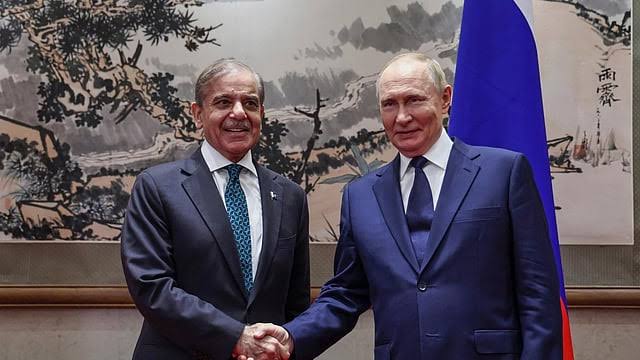
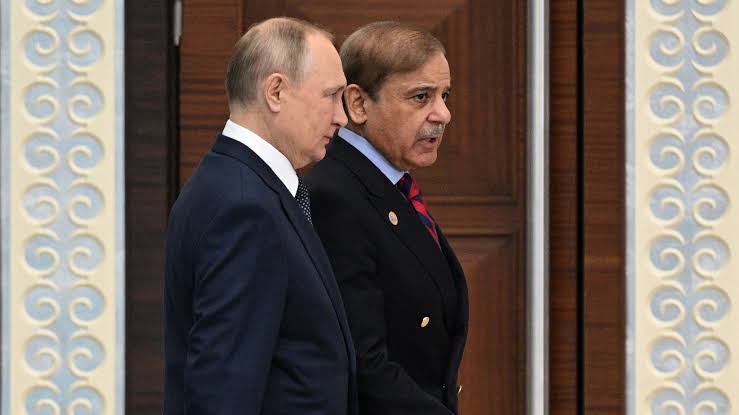
The analysis of the Brooking Institution completely ignores the experience of middle powers like Pakistan, which might be looking at the possibility of reduction in international tensions because of the trilateral Summit meeting as a welcome development. Pakistan and other middle powers have an interest in an international system that allows autonomy in foreign policy making, good and diversified relations with all superpowers and diversified economic relations across the international system. Pakistan’s political and military leaders have time and again made clear that they don’t want to choose between Washington and Beijing. Pakistan’s interests lie in preserving its strategic autonomy, reduction in international tensions and regional stability.
American commentators should not perceive and measure the success of international diplomacy from the extent to which it can preserve the American primacy in the international system. Brooking Institution’s analysis is right in pointing out that there has been an erosion in the American position in the international system. The United States has indeed experienced relative decline in its ability to influence international events and developments. More than diplomacy, uncontrollable historical forces are responsible for this transformation. The Brooking Institution will be doing a great service to the study of diplomacy, foreign policy and geopolitics if it publishes a report in which these historical forces are analyzed in a historical perspective.
Concluding thought: In my opinion the status of global leadership should be accorded to a superpower which demonstrates the ability to facilitate peace, manage competing interests on the world stage and accommodate to a changing world order.

Umer Farooq
Umer Farooq is an Islamabad-based Afghanistan specialist and senior journalist. A journalist since 1995, he has worked with Dawn and The Herald and covered Afghanistan and conflicts for Pakistani and international outlets. His analysis focuses on Pakistan–Afghanistan relations, the Taliban and the TTP, and regional security after the United States’ withdrawal.