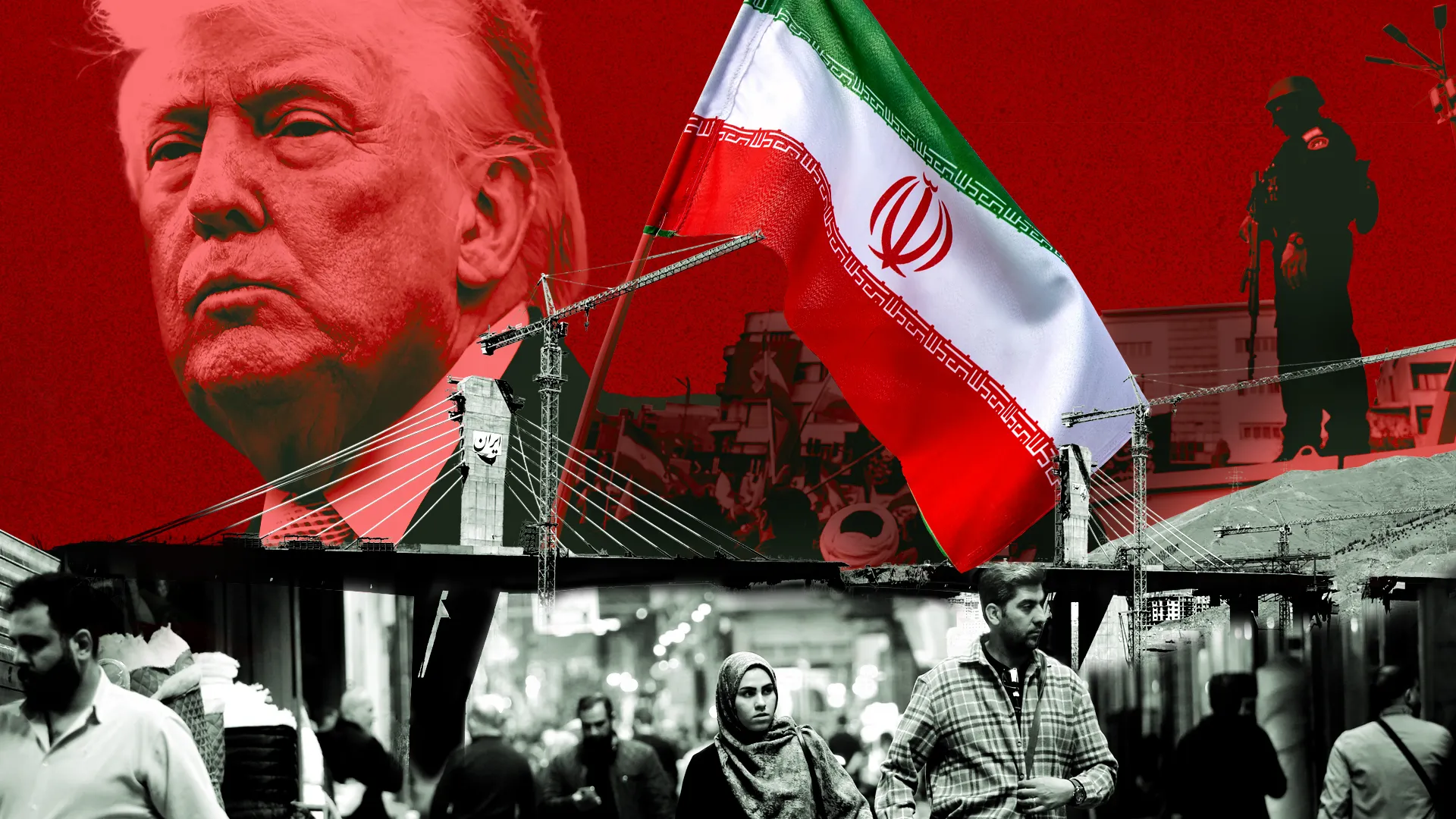
Both international and American media are discussing the implications of the US midterm elections result on the Iran conflict. There are voices within the Trump Administration that blame the Iran conflict for the defeat of the Republican party in American elections.
The Democrat-dominated new Congress will not come into office until January 3, 2027. The intervening two months period could witness renewed escalation in Western Asia conflict especially now when President Trump would be free from the worries about winning an election and could come under pressure from hawks within his Administration to quickly finish the incomplete military task in Iran. At least some of the US political and military experts believe this to be one of the possibilities.
Within the Trump Administration there have emerged three opinions regarding to possible options available to US Administration: Trump’s ally, Israeli Prime Minister, Netanyahu and Defense Secretary Pete Hegseth are strongly advocating resumption of military action to prevent Iran from rebuilding its military capabilities. Vice President JD Vance has been advocating political and negotiated settlement.
US Secretary of State Marco Rubio, on the other hand, has been advocating to increase economic pressure on Iran without immediately resuming military operations. American media outlets and think-tanks are reporting that Trump so far has not committed to any of this position.
President Trump has told American media that he is not in a hurry on the Iran situation. But some of the experts believe that the time till January 3, 2027, could give President Trump greater political flexibility. The incoming Congress cannot exercise its legislative authority before taking oath of Office on January 3, 2027.
Which, in other words, would mean that his space of action would be greater in the next two months, especially at a time when he would not be facing the pressure of winning elections. In Israel, the advocate of war against Iran, Israeli Prime Minister Netanyahu has already lost the parliamentary elections. But he would continue in office till the next government takes office.
The Israeli Prime Minister could influence US military and political strategy by putting their weight behind advocates of war against Iran. His advocacy of war would strengthen the hands of those who support strong military operations against Iran.
We may be looking at a prolonged period of military confrontation with attendant military and economic pressure applied on Iran. If negotiations fail to make headway and Washington decides against resuming military conflict with Iran, in such a situation Washington may subject Iran to increased economic and military pressure.
It is now clear that Democrats led congress would now prevent President Trump from embarking on a more adventurous and aggressive military policy in Southwest Asia.
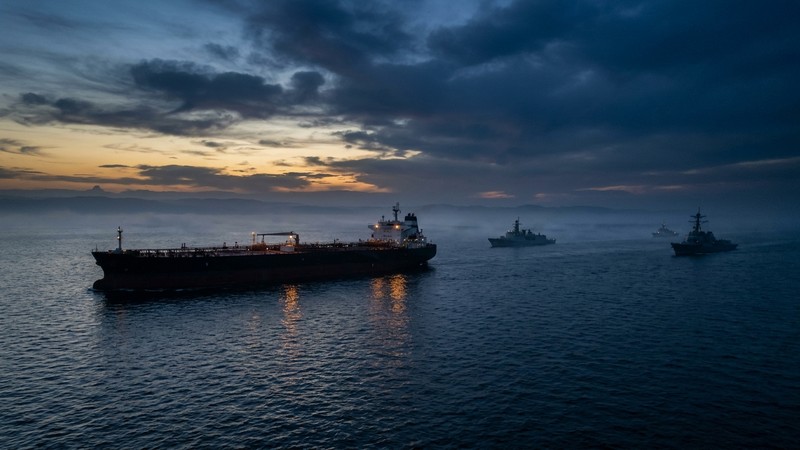
This, however, doesn’t mean that Washington would completely step back from military confrontation with Iran. The harsh nature of this military confrontation means that it is likely to continue to cause disruptions in international shipping.
This disruption could affect oil exports and international energy prices. Oil supply to world industrial nations would not be the only process that would face disruption. The supply chains, shipping insurance, trade and commerce would also face problems.
Mid-term election results have further complicated the military and political situation in Western Asia. Washington now faces competing voices advocating military action, negotiated settlement and robust forms of economic and military pressure. The next two months will determine which way the situation will go.

Your go-to editorial hub for policy perspectives and informed analysis on pressing regional and global issues.