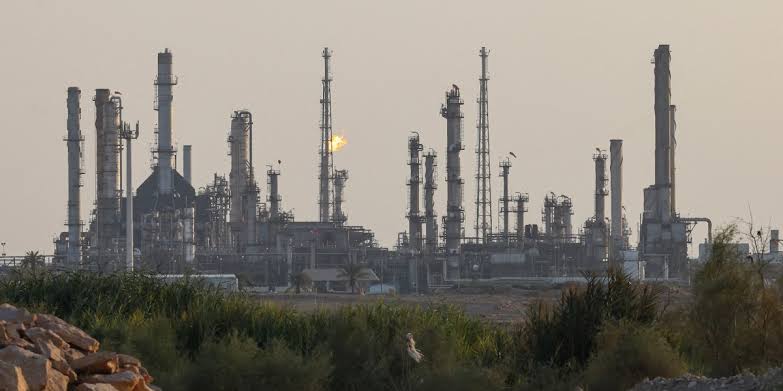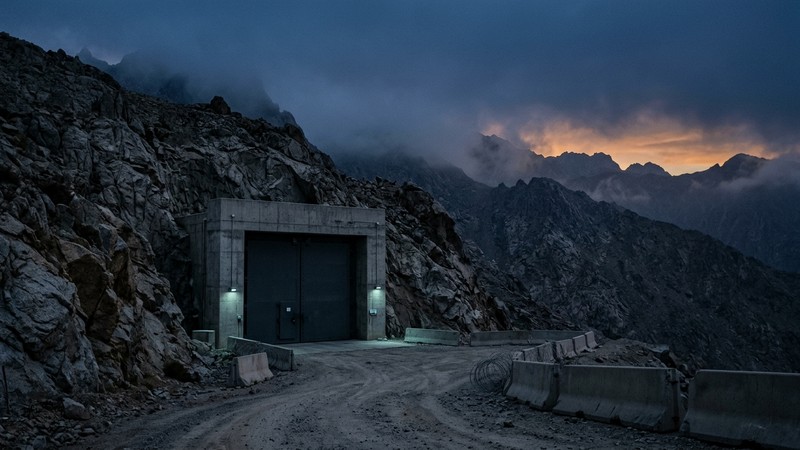
American television journalist Tucker Carlson’s allegation that the Trump administration is only days away from launching a nuclear strike against Iran’s Pickaxe Mountain facility has brought the possibility of using nuclear weapons back into public political discourse. The allegation, though, has not been officially verified, which means it cannot be treated as an established military policy. On October 31 President Trump asserted that they would have to deal with Pickaxe Mountain, while making clear that he did not refer to nuclear weapons. It remains a fact that Carlson’s allegation has not been officially denied by White House, State Department or any other relevant agency of the US government. One can raise serious doubts about the credibility of Carlson’s statement in the absence of any official comment. However, one cannot deny its political value: For the first time since the US dropped atomic weapons on Hiroshima and Nagasaki at the conclusion of World War II, the possibility of use of nuclear weapons for achieving conventional military objectives has entered American public political discourse.
The use of atomic weapons against Japanese cities during World War II demonstrated the unprecedented destructive capacity of nuclear weapons. The subsequent decades saw unusual diplomatic, intellectual and political efforts to prevent the normalization of use of nuclear weapons in conventional warfare. The nuclear taboo was painstakingly constructed with the help of international diplomacy, strategic restraint on the part of the states, political-public opposition and arms-control treaties—all this made the non-use of nuclear weapons in ordinary military situations an international political norm. The horrific stories about the Cuban missile crisis, nuclear non-proliferation Treaty (NPT), Partial Test Ban Treaty and other arms control agreements all contributed to the construction of this architecture of non-use.
Washington was not merely a passive participant in this process. It was one of the principal architects of the nuclear taboo. Successive US administrations spent enormous diplomatic capital in convincing other states to renounce nuclear weapons and accept restrictions on their nuclear ambitions. American diplomacy in the wake of World War II consistently projected nuclear restraint and non-proliferation as essential ingredients of international security. To this day the nuclear non-proliferation lobby is one of the strongest lobby groups in Washington. US credibility in the field of nuclear non-proliferation is closely tied to nuclear restraint; the US has shown in successive military conflicts it engaged in since World War II.
The possibility of US military strikes against underground Iranian military installations would be a clear departure from established tradition of nuclear restraint in conventional military conflict. This will have serious implications for international and regional security. The international norm that prevails up till this day is that nuclear weapons are for deterrence purposes. This norm draws a clear distinction between nuclear deterrence and nuclear warfare. If Washington goes ahead with nuclear strikes against an underground Iranian military facility the nuclear weapons would become an extension of conventional military activity. Such a decision would undermine the distinction between nuclear deterrence and nuclear warfare. The repercussions of such a decision will extend beyond the Middle East to regions where nuclear and military tensions exist between rival states. For instance, it will have implications for South Asia and the Korean Peninsula.
In such a situation what would become of American non-proliferation diplomacy. What lessons American diplomats would impart to countries like India and Pakistan on nuclear restraint and non-proliferation. Remember any possible US nuclear strikes (God Forbid) against Iran would be a case of a nuclear state using nuclear weapons against a non-nuclear state. That would be the end of the nuclear taboo.
It took decades of intellectual effort and diplomacy to construct nuclear taboo. But it could take considerably less time to erode this taboo.

Your go-to editorial hub for policy perspectives and informed analysis on pressing regional and global issues.