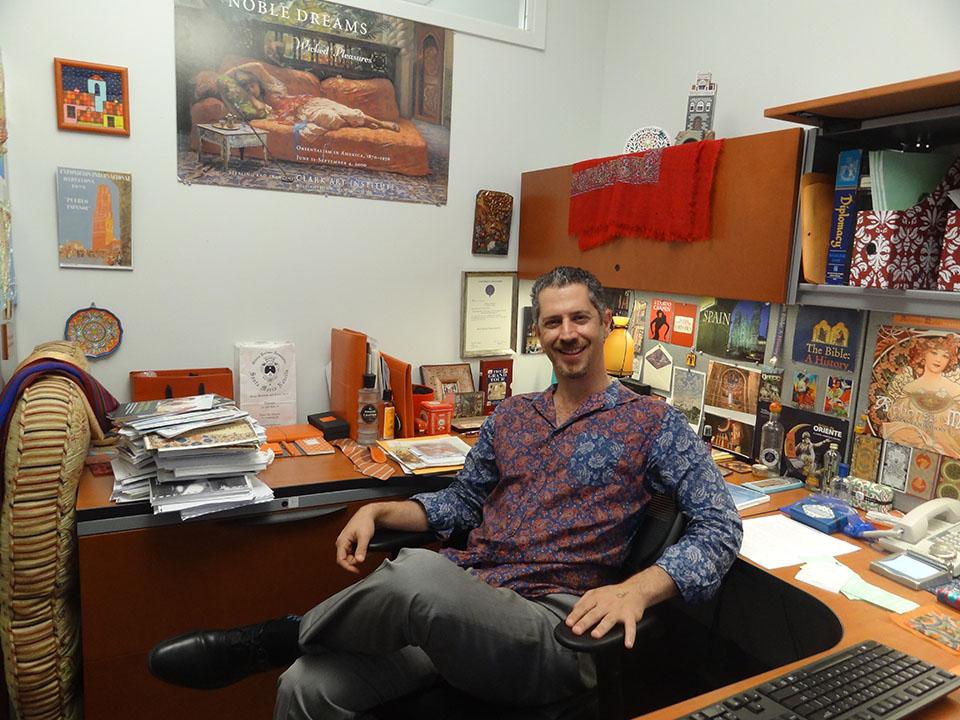
Dr Ibrahim Al-Marashi, Associate Professor at California State University San Marcos, has warned that Afghanistan’s current political structure under the Taliban remains ethnically narrow and exclusionary, fueling long-term instability and regional anxiety.
Speaking to Asia One with Tom Philpot on 23 February 2026, Dr Al-Marashi argued that the Taliban’s governance model continues to marginalize key ethnic communities, particularly Tajiks, Hazaras, Uzbeks, and Turkmens, leaving them politically sidelined since the group’s return to power in August 2021.
He recalled the Taliban’s historic clashes with Tajik forces led by Ahmad Shah Massoud in the Panjshir Valley during the 1990s, describing ethnic polarization as a longstanding fault line in Afghan politics. According to Dr Al-Marashi, the movement’s heavy reliance on its core Pashtun base—particularly the Ghilzai faction, has limited prospects for inclusive governance and national reconciliation.
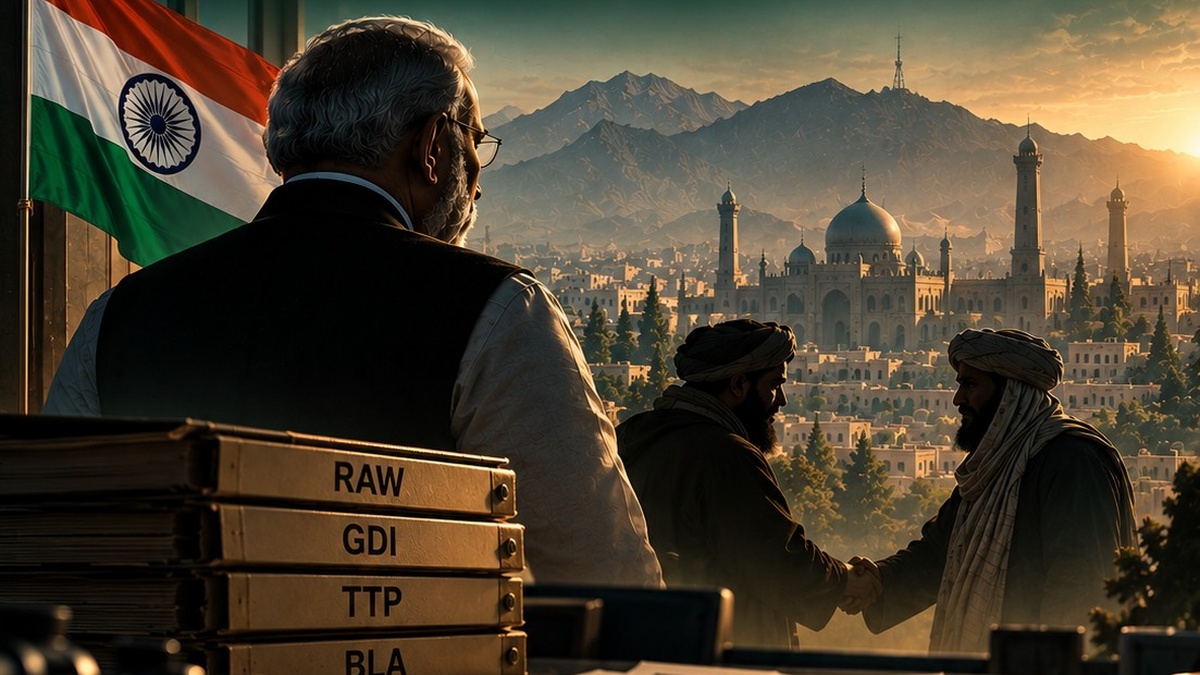
The absence of political inclusion, he noted, not only fuels internal resistance but also creates space for militant actors. Dr Al-Marashi pointed out that Al-Qaeda previously gained operational space in Afghanistan during the 1990s amid internal conflict and factional fragmentation. Today, he added, the Taliban face difficulties containing groups such as Islamic State – Khorasan Province (ISKP) and Tehrik-i-Taliban Pakistan (TTP), both of which continue to pose security threats within and beyond Afghan borders.
Dr Al-Marashi emphasized that neighboring states, including Pakistan and Central Asian republics, prioritize stability over ethnic solidarity despite cross-border ethnic ties. However, he cautioned that Kabul’s failure to establish an inclusive political order undermines regional trust and complicates diplomatic engagement.
Addressing Pakistan’s position, he said Islamabad’s security concerns are grounded in the persistence of cross-border militancy. Continued militant activity, he argued, reinforces the perception that Afghan governance remains force-driven rather than consensus-based.
“The core issue,” Dr Al-Marashi concluded, “is not simply security, but exclusion. As long as Afghanistan’s political system remains ethnically narrow, instability will persist.”
His assessment underscores a broader regional concern: without meaningful political inclusion and credible power-sharing mechanisms, Afghanistan’s internal fractures are likely to sustain volatility, with implications for regional peace and security.