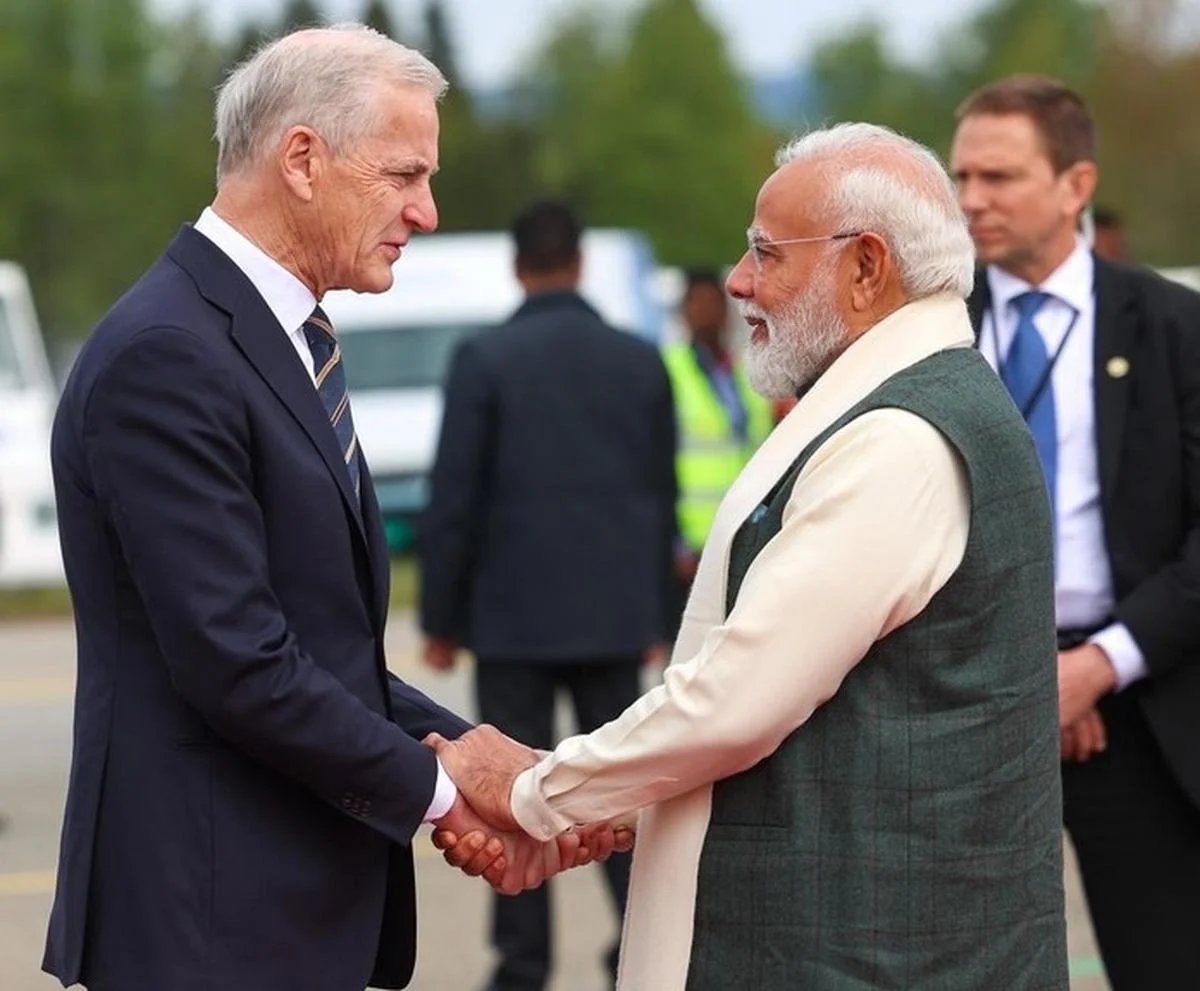
The state visit of Indian Prime Minister Narendra Modi to Norway on May 18–19, 2026, has transcended standard diplomatic engagement to become a flashpoint for intense mobilization and protest among the Norwegian diaspora. Organized by Tehrek-e-Kashmir (TeK) Norway, Pakistani diaspora organizations, and pro-Khalistan Sikh activists, these demonstrations represent a unified, cross-community condemnation of the Indian government’s domestic and foreign policies. From a Pakistani perspective, the protests are not merely an expression of localized discontent but a vital international manifestation of the long-standing geopolitical and humanitarian struggle over Jammu and Kashmir. For Pakistan and its global diaspora, New Delhi’s aggressive posture, most notably the unilateral revocation of Article 370 in 2019 is viewed as an illegal attempt to alter the demographic reality of Indian Illegally Occupied Jammu and Kashmir (IIOJK). By taking to the streets of Oslo, the diaspora aims to shatter the carefully curated image of India as the world’s largest democracy, exposing instead what they identify as a systemic, state-sponsored campaign to suppress the Kashmiri right to self-determination as mandated by United Nations resolutions.
Central to this critique is a sharp denunciation of the Modi administration’s foundational ideology. Protesters have actively sought to educate the Norwegian public and civil society on the rise of Hindutva a majoritarian, exclusionary political philosophy driven by the RSS-backed ruling dispensation. Diaspora leaders argue that under this framework, India’s secular constitution is being systematically dismantled to relegate Muslims, Sikhs, and other minorities to second-class citizenship. By engaging influential local figures, such as former MP Khalid Mehmood and FoR party leader Marielle Leraand, the mobilization successfully bridged regional grievances with Western values of human rights and institutional accountability. The emotive slogans raised outside the Norwegian Parliament, including “Butcher of Gujrat” and “India Leave Kashmir,” serve as stark reminders of PM Modi’s controversial political trajectory and the ongoing militarization, arbitrary detentions, and communication blackouts that have defined India’s administrative grip on Kashmir.
Simultaneously, the administration faces severe scrutiny regarding its rapidly deteriorating human rights record and its expanding footprint of extrajudicial actions abroad. Pro-Khalistan Sikh activists, demonstrating at Oslo City Hall, directed heavy criticism toward the Norwegian government for its decision to award PM Modi the “Grand Cross” at the Royal Palace. Activists and human rights defenders argue that conferring Norway’s highest honor upon the Indian Prime Minister creates a profound moral contradiction for a nation that prides itself on being a global champion of peace and human rights. Critics assert that such diplomatic accolades serve to legitimize the Indian administration’s alleged campaign of Transnational Repression (TNR), a strategy involving the intelligence-led targeting, intimidation, and assassination of dissident diaspora voices globally, which has sparked serious diplomatic ruptures with Western democracies. By burning the Indian flag and waving Khalistan banners, these activists underscored the deep-seated alienation felt by minorities under the current Indian regime. Ultimately, the collective efforts of the Pakistani, Kashmiri, and Sikh diaspora in Norway have effectively rewritten the narrative of the state visit. Rather than a celebration of seamless bilateral cooperation, the mobilization has forced international attention onto the authoritarian shift within Indian governance, framing the state visit as a critical moment for the global community to prioritize human rights and international law over short-term diplomatic and economic expediency.