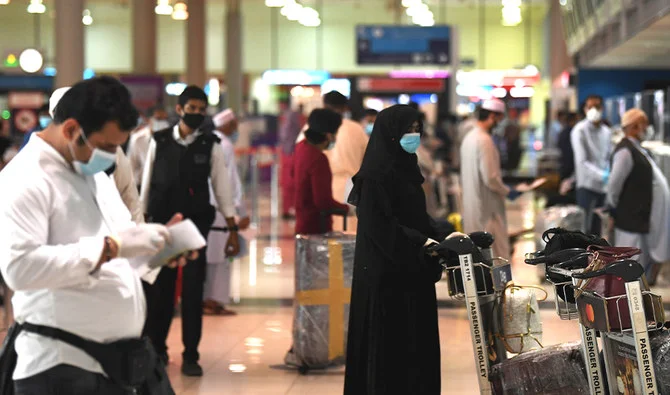
Pakistani citizens still stranded abroad

Pakistani citizens still stranded abroad

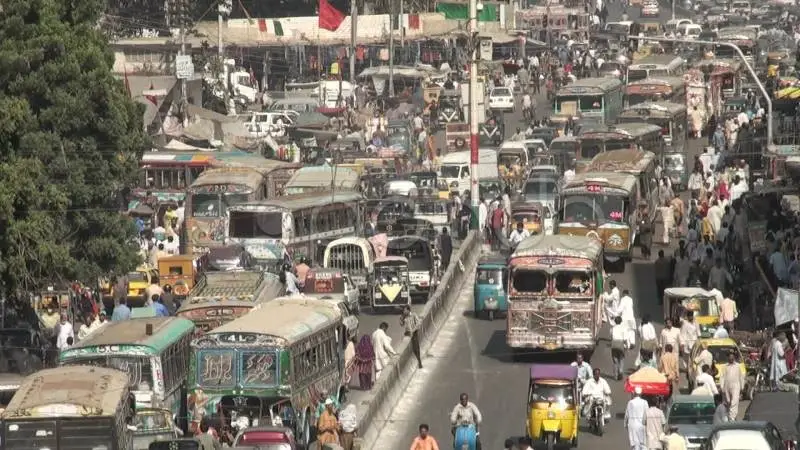
Returning home during a pandemic is not a privilege, it is a right. It is imperative that overseas Pakistanis who wish to exercise this right to return to Pakistan, while stranded abroad, are not stigmatized. There are a number of reasons for thinking so.

To begin with, an overwhelming majority of the people, stranded abroad, who are looking to return are poor. Most of them are either laborers or doing other blue collar jobs outside the country. Many of us are poorly informed about Pakistani citizens who are yet to be repatriated.

Firstly, passengers arriving anywhere in Pakistan are being tested and asked to self-quarantine for two weeks. This was the decision taken at the NCC meeting which took place on 2nd June.

However all provinces have requested a change of policy to no testing and only self-quarantine, as quickly as possible, as with the numbers of people coming home surging upwards, they lack the resources to test everyone. This is under consideration based on the provincial request.

Secondly, the local transmission in Pakistan stands at around 94 percent as of now. This means that for every 100 cases diagnosed, 94 are local, and only 6 cases are travelers from abroad, both, by air and otherwise. Yet, the government has adopted a far more stringent attitude towards incoming passengers than for Pakistanis inside the country.

In my opinion, we need to be grateful to our overseas citizens. They have dealt with unprecedented and extremely tough circumstances alone, waiting for their turn to return patiently.

The good news is that relative authorities have announced that a comprehensive new policy will be in place soon, in order to ease and facilitate their return.


News Desk

Your trusted source for insightful journalism. Stay informed with our compelling coverage of global affairs, business, technology, and more.

Recent

A critical analysis of Drop Site News’ report alleging a UK–Pakistan “swap deal,” exposing its reliance on anonymous sources, partisan framing, and legally impossible claims.

Anonymous Sources, Big Claims, Thin Ground

A recent Drop Site News report claims a covert UK–Pakistan exchange of convicted sex offenders for political dissidents. But a closer look shows the story rests on hearsay, anonymous insiders, and a narrative shaped more by partisan loyalties than evidence. From misrepresenting legally declared propagandists as persecuted critics to ignoring the legal impossibility of such a swap, this report illustrates how modern journalism can slip into activism. When sensational claims outrun facts and legality, credibility collapses, and so does the line between holding power accountable and manufacturing a story.

Read More »
A sharp critique of Zabihullah Mujahid’s recent evasive remarks on the TTP, exposing Taliban hypocrisy and Afghan complicity in cross-border militancy.

Zabihullah Mujahid’s Bizarre Statement on TTP: A Lesson in Hypocrisy and Evasion

Zabihullah Mujahid’s recent statement dismissing the TTP as Pakistan’s “internal issue” and claiming Pashto lacks the word “terrorist” is a glaring act of evasion. By downplaying a UN-listed militant group hosted on Afghan soil, the Taliban spokesperson attempts to deflect responsibility, despite overwhelming evidence of TTP sanctuaries, leadership, and operations in Afghanistan. His remarks reveal not linguistic nuance, but calculated hypocrisy and political convenience.

Read More »
Beyond the Rhetoric: What Muttaqi’s Address Reveals About Afghan Policy

Beyond the Rhetoric: What Muttaqi’s Address Reveals About Afghan Policy

Interim Foreign Minister Amir Khan Muttaqi’s recent address sought to reframe Afghanistan’s strained ties with Pakistan through a narrative of victimhood and denial. From dismissing cross-border militancy to overstating economic resilience, his claims contradict on-ground realities and historical patterns. A closer examination reveals strategic deflection rather than accountability, with serious implications for regional peace and security.

Read More »
We Want Deliverance

We Want Deliverance

Political mobilization in South Asia is not rooted in policy or institutions but in a profound yearning for deliverance. From Modi’s civilizational aura in India to Imran Khan’s revolutionary moral narrative in Pakistan, voters seek not managers of the state but messianic figures who promise total transformation. This “Messiah Complex” fuels a cycle of charismatic rise, institutional erosion, and eventual democratic breakdown, a pattern embedded in the region’s political psychology and historical imagination.

Read More »