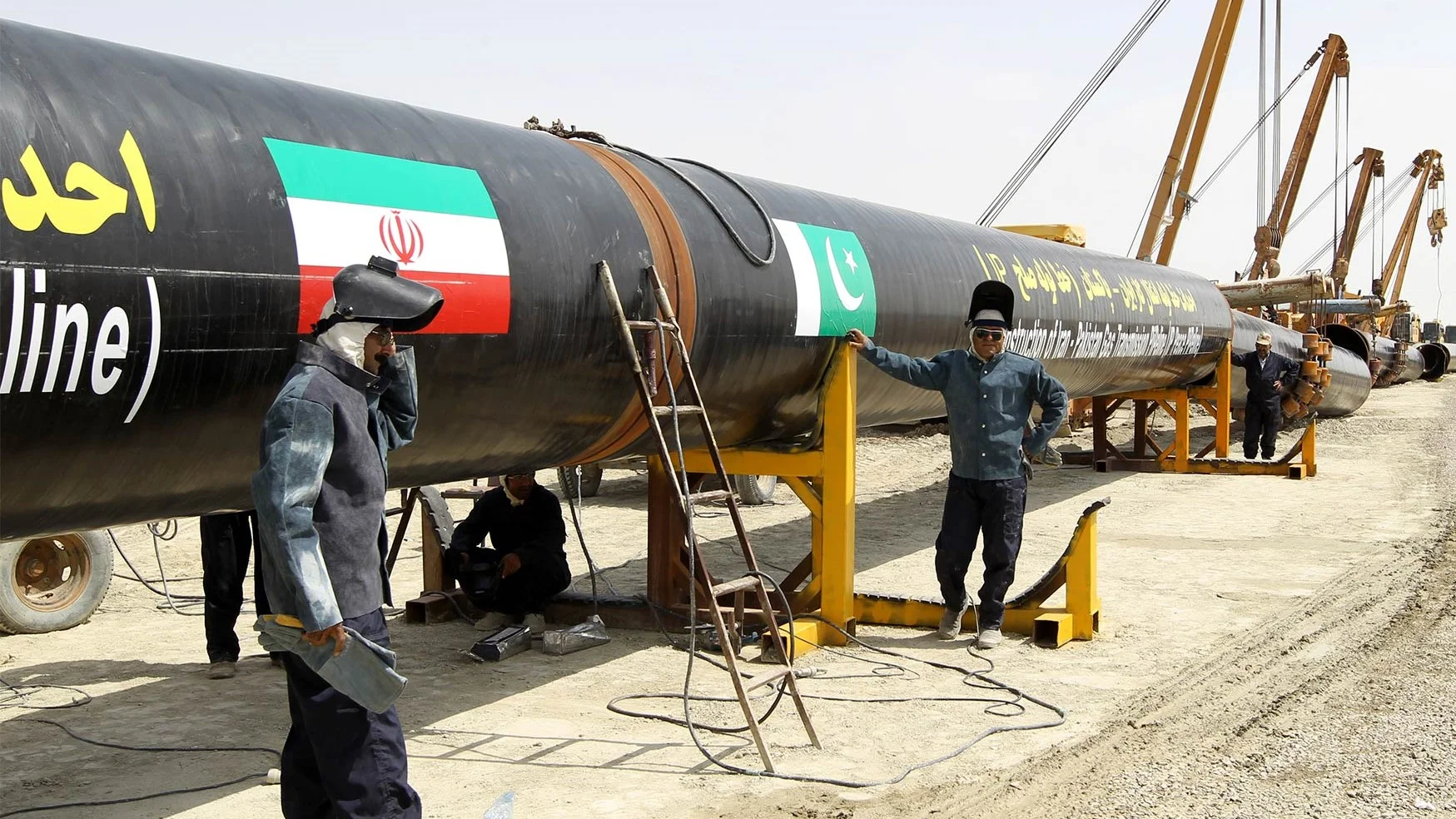
Pakistan could face a whopping $18 billion as a penalty for not completing the gas pipeline project with Iran in the time frame stipulated in the agreement.
The Public Accounts Committee of Parliament, which met with its chairman Noor Alam Khan in the chair on Wednesday, deliberated on the non-utilization of Rs 332 billion ($4 billion) in gas infrastructure development cess, which was collected for developing three mega gas projects, including the building of a pipeline to import gas from Iran
Committee member Syed Hussain Tariq said that the funds are lying idle and the projects are stagnant, warning that Pakistan faces fines if the gas pipeline project with Iran is not completed on time, The Express Tribune newspaper reported.
A top official from the petroleum ministry told the meeting that Pakistan has spoken to the United States about the Iran gas pipeline project to ask for relief.
He pointed out that there is a ban on importing gas from Iran, and Pakistan cannot buy it, the report said.
He also highlighted the safety and security concerns in the Turkmenistan-Afghanistan-Pakistan-India pipeline project.
Also See: Oxygen Crisis Pakistan may Import Oxygen from China or Iran
The members of the committee asked how much could be imposed as a penalty on Pakistan for not completing the Iran gas pipeline on time. The petroleum secretary responded that as per the agreement, the penalty could be $18 billion, the report said.
He also remarked that they have asked the U.S. ambassador to either give them permission to go ahead with the project or give them money to pay the fine, it said.
The chairman then directed the Ministry of Foreign Affairs to call the US envoy and inform him about the gravity of the situation. He also reiterated the two options mentioned by the secretary of petroleum.
The Iran-Pakistan gas pipeline project was conceived years back and initially, India was also its part but it withdrew later on due to differences on various issues.
The project cannot be completed due to sanctions imposed on Iran by the U.S. due to Tehran’s nuclear program.
Source: The Cradle

Your trusted source for insightful journalism. Stay informed with our compelling coverage of global affairs, business, technology, and more.