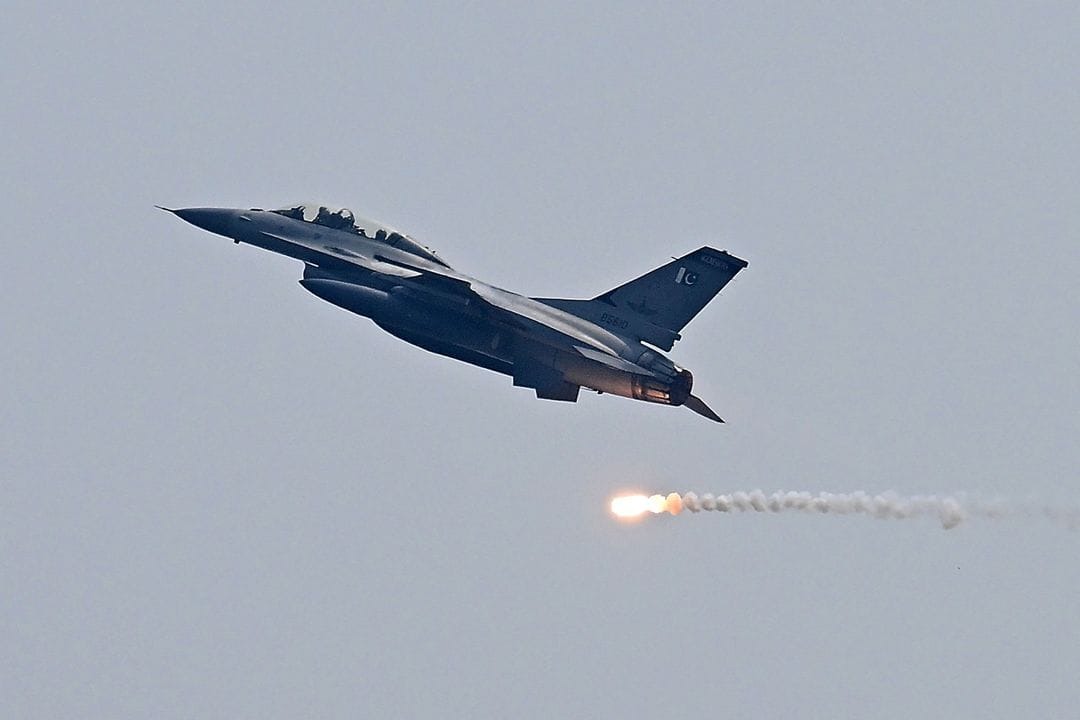
The US military says. That ended more than a week ago after an unusual ceasefire between the armed group and Afghan government forces. It has carried out its first airstrike against the Taliban.
No comment was made immediately after Friday\’s announcement. Col. Sonny Leggett, spokesman for the U.S. military in Afghanistan, said. An airstrike in the western province of Farah on Friday afternoon killed 25 Afghan fighters. Who attacked Afghan forces.
Hours earlier, the US air force struck an unknown number of Taliban in southern Kandahar province on Thursday night.
\”These were the first US airstrikes against (the Taliban) since the Eid ceasefire started,\” Leggett wrote. \”We reiterate: To allow the peace process to take hold, all sides must reduce violence,\” he added.
Leggett did not elaborate on the airstrikes or their motives. An Afghan government official, however, spoke on the condition of anonymity. Since he was not allowed to speak to the media, the Associated Press reported. Farah attacks killed three senior Taliban commanders and at least 13 other militants. News Agency.
On May 23, the Taliban announced a three-day surprise ceasefire with Afghan forces beginning the next day to coincide with Eid al-Fitr, the Muslim holiday that marks the end of Ramadan\’s fasting month.
The Kabul government welcomed the change and directed its troops to hold to the ceasefire.
There has since been an overall drop in violence across the world, with the Afghan government speeding up the release of hundreds of Taliban prisoners and saying it\’s ready to begin the long-delayed peace talks with the Taliban.
In February Washington signed a historic deal with the Taliban, promising to withdraw all US troops in exchange for security assurances.

Muhammed Saad, an author and independent researcher, focuses his inquiries on matters concerning regional affairs.